Episode Details
Back to Episodes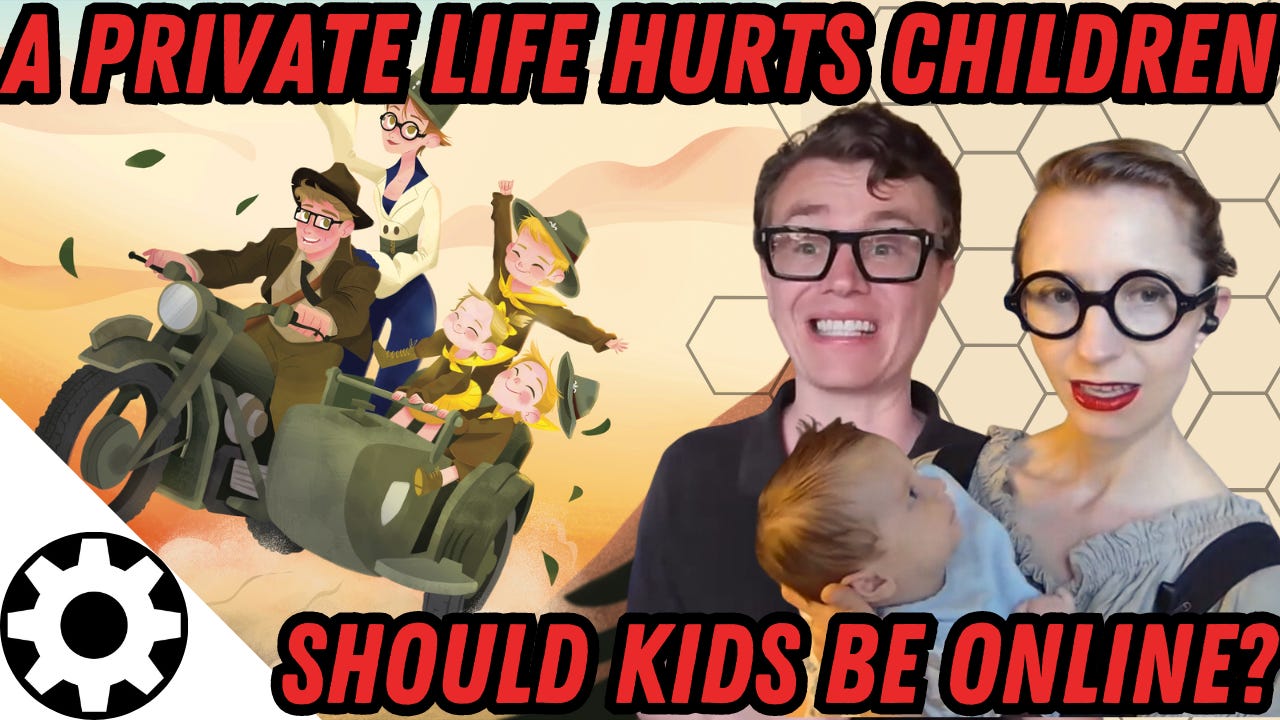
The Ethics of Not Showing Kids On The Internet
Description
In this insightful video, Malcolm and Simone Collins dive into the complex ethical considerations surrounding parents showcasing their children on social media platforms. They explore the potential benefits and drawbacks of raising children in the public eye, addressing concerns about privacy, consent, and the long-term impact on a child's future. The couple discusses the importance of age-appropriate media exposure, the need for open communication and education, and the value of building a strong family brand in an increasingly connected world. They also touch on the role of social media followings in creating opportunities, fostering trust, and navigating a changing societal landscape. Throughout the conversation, Malcolm and Simone emphasize the significance of parental responsibility, adaptability, and the development of resilience in children growing up in the digital age.
Malcolm Collins: [00:00:00] I claiming there are no ethical issues here? No, I'm very clearly not. I'm saying there are ethical issues, but what people on the other side of this argument are
pretending, which is just false in a lie is that there are no potential upsides for the kid from this. I'm doing is I am contrasting the upsides with the downsides . That they have the environment to start their lives with decent sized social media followings within wealthy intellectual circles, the doors that is going to open for them. And this is something that we also haven't talked enough about in society, social media followings and the ability to translate these into high value relationships.
Simone Collins: if we live in a future in which Society's current vetting systems are bankrupt and don't work anymore. The only way that you can really build trust and have people expect you to deliver on what you [00:01:00] promise is if they feel like they know you and can trust you and you're predictable because trust lies in predictability.
And the only way that they can know that is if they have some kind of access to your thought process or they have a parasocial relationship with you. And the only way to do that is if you have a very open and transparent media history.
Malcolm Collins: And we want to have kids whose lives matter. If you are afraid of people making fun of you online, Your life won't matter
Simone Collins: because
Malcolm Collins: you can't do anything publicly.
And it's very hard to change the world if you don't do things publicly
Would you like to know more?
Malcolm Collins: Hello everyone I am excited to be here with you today. Today. We are going to be talking about the ethics of putting children in media and the Considerations that need to go into this because a lot of people might look at what we are doing we are a very public family. We are in the news all the time these days which is funny because
our channel is medium size, but not really correlatory to how [00:02:00] publicly famous we are getting. But again, just this last weekend, like the big three page front page piece in the guardian. And then a bunch of follow up pieces to that and then trending and and so people are like, wow, your kids are in all of these, like in the Vice documentary, right?
This little baby right here is in the media because she is in this shot.
Simone Collins: Yeah. And I watch a lot of snark online. A lot of the snark there's a big theme and people criticizing parents who include their children in TikTok and Instagram and YouTube posts, et cetera. And whenever they include clips that they're criticizing, they blur out.
The poor baby's faces, because they've been included in the shot. And even when they're trying to critique the video, they themselves do not want to repeat the crime of putting a child's face online, which to a certain extent, I understan