Podcast Episode Details
Back to Podcast Episodes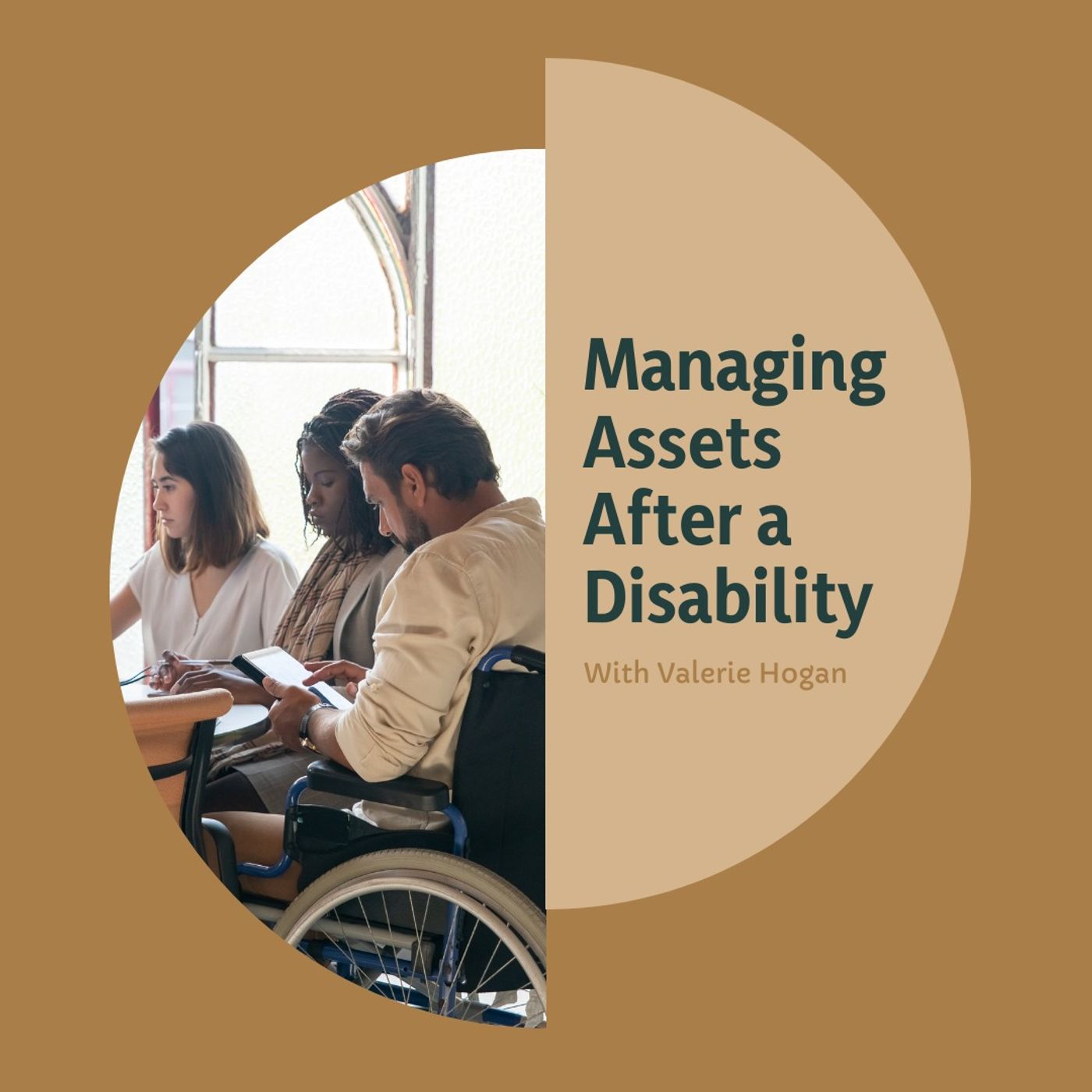
Managing Assets After a Disability with Valerie Hogan
Episode 413
“By wisdom a house is built, and by understanding it is established; by knowledge the rooms are filled with all precious and pleasant riches.” - Proverbs 24:3-4
Faithful stewardship requires us to make wise financial decisions…manage and grow assets, and protect our families from hardship. Are you ready if you’re suddenly disabled or incapacitated? Valerie Hogan joins us with a checklist to prepare you for it.
Valerie Hogan is an attorney, a Certified Financial Planner (CFP®), a member of Kingdom Advisors, as well as the co-author of Wise Women Managing Money: Expert Advice on Debt, Wealth, Budgeting, and More with Miriam Neff.
The Importance of Disability Insurance
We need the humility to realize we don't know what's coming in the future and the due diligence to get disability insurance, which protects us from loss of income if we're disabled. It's available publicly and through private programs, with costs varying based on qualification strictness, medical history, benefit duration (short or long term), and waiting period before it kicks in.
Preparing for disability also falls in the same category as basic estate planning. This includes considering a durable power of attorney for finance or health decisions, a will or revocable living trust, and a living will when you can't make medical decisions independently.
Organizing for Incapacity
To get organized, securely store important papers and legal documents and let someone you trust know their location. Talk to your spouse or family member about your advanced care wishes and permit your doctors and lawyers to speak with your caregiver, which may require a HIPAA release.
Essential Documents to Organize
Here’s a comprehensive list:
- Birth, death, and marriage certificates
- Names and phone numbers of close friends, relatives, doctors, lawyers, and financial advisors
- Financial information such as social security card or number, sources of income, IRAs, 401(k)s
- Insurance information, including life, long-term care, home, and car policies, with policy numbers and agents’ contact details
- Bank account numbers, checking, savings, and credit union details
- Investment information (stocks, bonds, property) with broker’s contact details
- Most recent income tax returns
- Up-to-date will or trust with original signatures and witnesses (varies by state)
- List of liabilities and whom you owe
- Deeds or trust documents for your house and car
- Health information, including current prescriptions, a living will, a durable power of attorney for health care, health insurance policies with policy numbers and contacts, and HIPAA releases.
It’s worth it to ensure everything is done properly, so a licensed attorney specializing in estate planning in your state is an excellent resource for wisdom and advice. A godly estate planning attorney can help you consider whether the next steward is chosen and prepared.
On Today’s Program, Rob Answers Listener Questions:
- Should I consider paying off my mortgage since the mortgage rate is considerably less than I could get by investing money in CDs? I'm also curious if digital currency is coming to the United States and if we must worry about the government taking our home.
- As a new medical practice owner who is barely making it right now with overhead
Published on 1 year, 6 months ago