Episode Details
Back to Episodes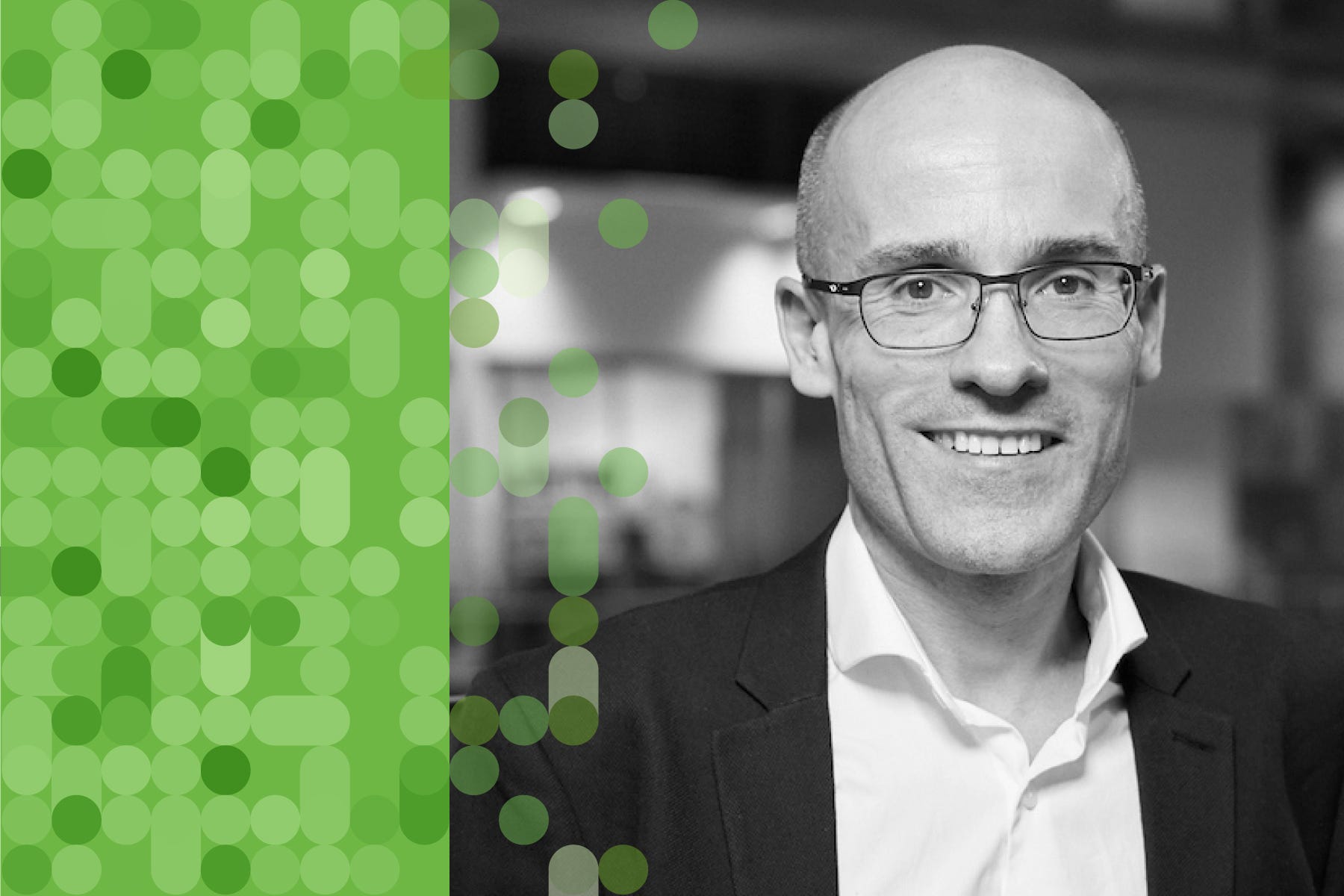
Charlie Swanton: A Master Class on Cancer
Description
The most enthralling conversation I’ve ever had with anyone on cancer.
It’s with Charlie Swanton who is a senior group leader at the Francis Crick Institute, the Royal Society Napier Professor in Cancer and medical oncologist at University College London, co-director of Cancer Research UK.
Video snippet from our conversation. Full videos of all Ground Truths podcasts can be seen on YouTube here. The audios are also available on Apple and Spotify.
Transcript with audio links and many external links
Eric Topol (00:07):
Well, hello, this is Eric Topol with Ground Truths, and I am really fortunate today to connect us with Charlie Swanton, who is if not the most prolific researcher in the space of oncology and medicine, and he's right up there. Charlie is a physician scientist who is an oncologist at Francis Crick and he heads up the lung cancer area there. So Charlie, welcome.
Charles Swanton (00:40):
Thank you, Eric. Nice to meet you.
Learning from a Failure
Eric Topol (00:43):
Well, it really is a treat because I've been reading your papers and they're diverse. They're not just on cancer. Could be connecting things like air pollution, it could be Covid, it could be AI, all sorts of things. And it's really quite extraordinary. So I thought I'd start out with a really interesting short paper you wrote towards the end of last year to give a sense about you. It was called Turning a failing PhD around. And that's good because it's kind of historical anchoring. Before we get into some of your latest contributions, maybe can you tell us about that story about what you went through with your PhD?
Charles Swanton (01:26):
Yeah, well thank you, Eric. I got into research quite early. I did what you in the US would call the MD PhD program. So in my twenties I started a PhD in a molecular biology lab at what was then called the Imperial Cancer Research Fund, which was the sort of the mecca for DNA tumor viruses, if you like. It was really the place to go if you wanted to study how DNA tumor viruses worked, and many of the components of the cell cycle were discovered there in the 80s and 90s. Of course, Paul Nurse was the director of the institute at the time who discovered cdc2, the archetypal regulator of the cell cycle that led to his Nobel Prize. So it was a very exciting place to work, but my PhD wasn't going terribly well. And sort of 18, 19 months into my PhD, I was summoned for my midterm reports and it was not materializing rapidly enough.
(02:25):
And I sat down with my graduate student supervisors who were very kind, very generous, but basically said, Charlie, this isn't going well, is it? You've got two choices. You can either go back to medical school or change PhD projects. W