Episode Details
Back to Episodes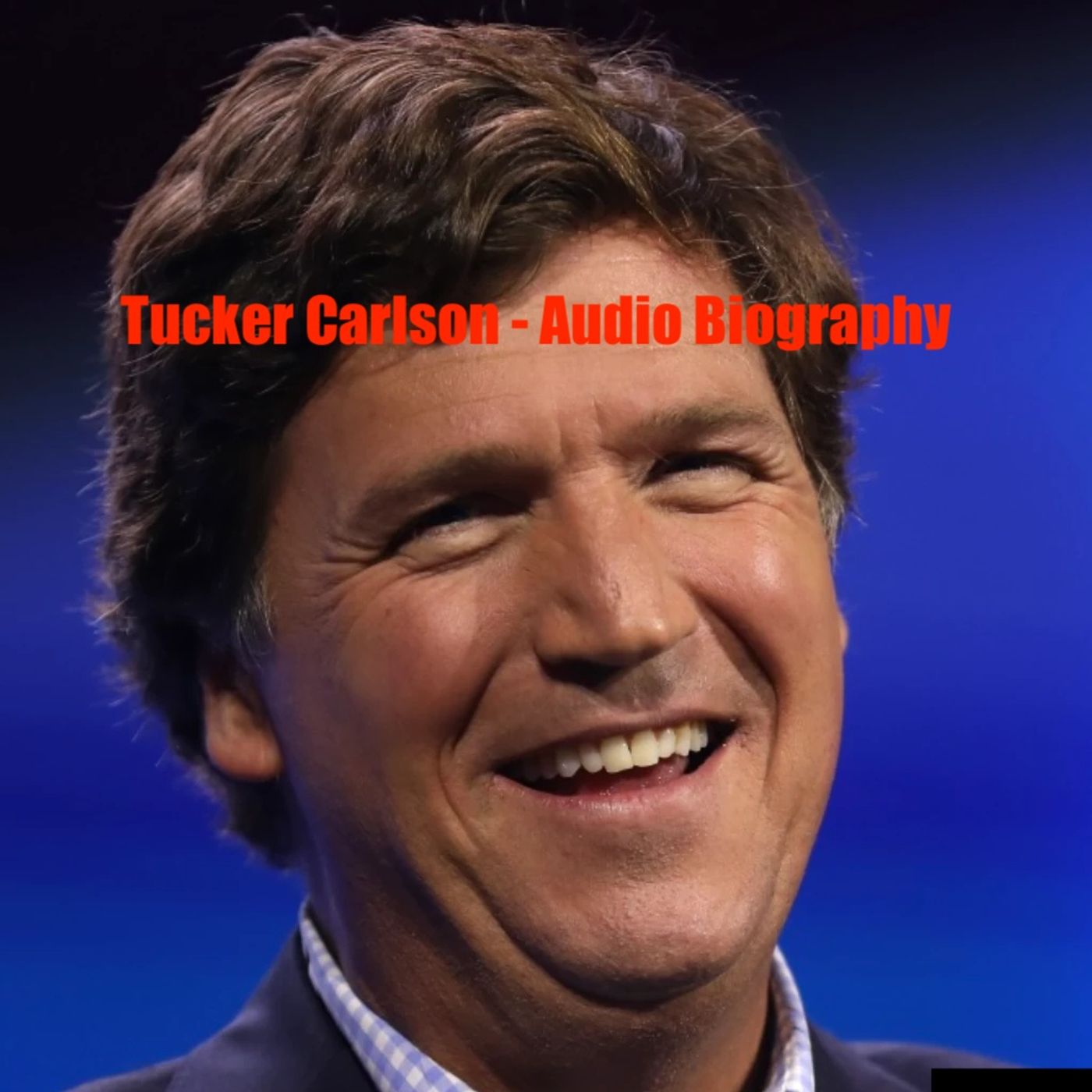
Tucker Carlson - "X Marks the Spot for Video Destination Seekers"
Published 1 year, 9 months ago
Description
In the ever-evolving digital age, video content reigns supreme, captivating global audiences with a range of narratives that span the spectrum of human interest. However, not all content is created equal, nor does it carry the same weight when it comes to viewer engagement, social impact, and political influence. Within this landscape, certain interviews and discussions have the power to transcend mere conversation, becoming focal points of global attention. A prime example of this phenomenon is Tucker Carlson's interview with Vladimir Putin, which has amassed over 50 million views, marking a significant milestone in the world of video journalism and political discourse.
The interview's staggering viewership numbers speak volumes about contemporary society's fascination with contentious content. It underscores a fundamental shift in the way audiences seek to understand and engage with world events, political figures, and ideologies. In an era where information is both omnipresent and paradoxically enigmatic, high-profile interviews like Carlson's with Putin offer a rare glimpse into the minds of those who helm the world's most powerful nations. But what does this say about the role of video as the ultimate destination for such content? And more importantly, does X truly mark the spot in this context?
Video platforms have undeniably become the battlegrounds for ideological warfare, where content can sway public opinion, raise awareness, or even incite discord. The meteoric rise in viewership for Carlson's interview with Putin illustrates how video content, especially when it involves figures who are as polarizing as they are influential, can achieve a global resonance that few other media can. The interview's widespread viewership is a testament to the video medium's unparalleled capacity to engage, provoke thought, and, at times, polarize.
Beyond its impressive viewership, the interview's impact extends into the realms of diplomacy, international relations, and media ethics. It raises pertinent questions about the responsibilities of journalists and media houses in the digital age. In presenting contentious figures and viewpoints to the world, media practitioners walk a tightrope between facilitating necessary discourse and inadvertently amplifying voices that could destabilize societal harmony.
Moreover, the interview represents a case study in the power of narrative framing and the role of video platforms in shaping public narratives. The visual and auditory elements of video content add layers of complexity to the reception of these narratives, offering a more nuanced and immersive experience compared to other forms of media. This sensory engagement, coupled with the widespread accessibility of video platforms, makes video an unrivaled tool in capturing and maintaining global attention.
However, this power also comes with significant challenges. The dissemination of contentious content through video must be navigated with a keen awareness of its potential repercussions. The ethical considerations surrounding what to broadcast, how to frame it, and the intended outcomes become ever more crucial as audiences grow and the impacts become increasingly far-reaching.
In the final analysis, the success of Tucker Carlson's interview with Vladimir Putin underscores the undeniable role of video as the preeminent destination for content that engages, challenges, and mobilizes global audiences. While X may indeed mark the spot for where viewers find captivating content, it also highlights the intricate balance between offering insight and incubating influence within the digital age's vast and varied landscape. As we move forward, the evolution of video as a medium and its impact on global discourse will undoubtedly continue to intrigue, inform, and inspire.
The interview's staggering viewership numbers speak volumes about contemporary society's fascination with contentious content. It underscores a fundamental shift in the way audiences seek to understand and engage with world events, political figures, and ideologies. In an era where information is both omnipresent and paradoxically enigmatic, high-profile interviews like Carlson's with Putin offer a rare glimpse into the minds of those who helm the world's most powerful nations. But what does this say about the role of video as the ultimate destination for such content? And more importantly, does X truly mark the spot in this context?
Video platforms have undeniably become the battlegrounds for ideological warfare, where content can sway public opinion, raise awareness, or even incite discord. The meteoric rise in viewership for Carlson's interview with Putin illustrates how video content, especially when it involves figures who are as polarizing as they are influential, can achieve a global resonance that few other media can. The interview's widespread viewership is a testament to the video medium's unparalleled capacity to engage, provoke thought, and, at times, polarize.
Beyond its impressive viewership, the interview's impact extends into the realms of diplomacy, international relations, and media ethics. It raises pertinent questions about the responsibilities of journalists and media houses in the digital age. In presenting contentious figures and viewpoints to the world, media practitioners walk a tightrope between facilitating necessary discourse and inadvertently amplifying voices that could destabilize societal harmony.
Moreover, the interview represents a case study in the power of narrative framing and the role of video platforms in shaping public narratives. The visual and auditory elements of video content add layers of complexity to the reception of these narratives, offering a more nuanced and immersive experience compared to other forms of media. This sensory engagement, coupled with the widespread accessibility of video platforms, makes video an unrivaled tool in capturing and maintaining global attention.
However, this power also comes with significant challenges. The dissemination of contentious content through video must be navigated with a keen awareness of its potential repercussions. The ethical considerations surrounding what to broadcast, how to frame it, and the intended outcomes become ever more crucial as audiences grow and the impacts become increasingly far-reaching.
In the final analysis, the success of Tucker Carlson's interview with Vladimir Putin underscores the undeniable role of video as the preeminent destination for content that engages, challenges, and mobilizes global audiences. While X may indeed mark the spot for where viewers find captivating content, it also highlights the intricate balance between offering insight and incubating influence within the digital age's vast and varied landscape. As we move forward, the evolution of video as a medium and its impact on global discourse will undoubtedly continue to intrigue, inform, and inspire.