Episode Details
Back to Episodes#150 – Human evolution and Christian theology
Description
Many Christians can fully accept the idea of human evolution, but they use a language which betrays Young Earth Creationism. If we don’t update our language, we may lose a whole generation of Christians.
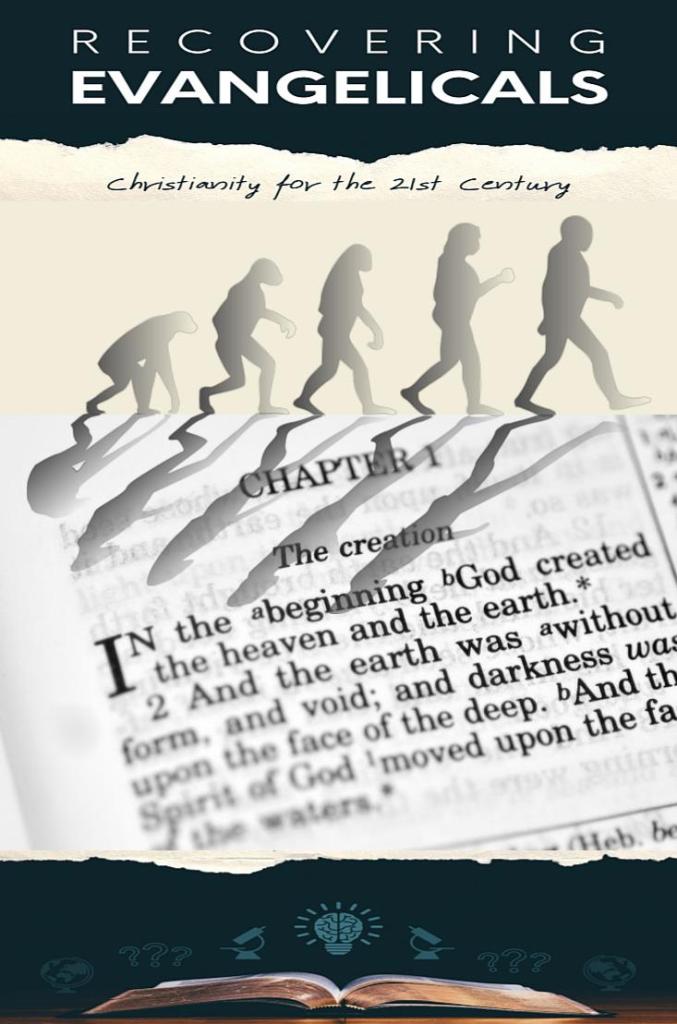
Many Christians are perfectly fine with human evolution: descent over millions of years down a family tree we share in common with the chimpanzees and orangutans on the one hand, and with Neanderthals and Denisovans on the other. And yet they still use language that is rooted in Young Earth Creationism: referring to people as “fallen creatures” or “broken image bearers,” or saying that we need to be reconciled to God, or “we need to get back to the garden.” These terms, and others, lose their meaning in a worldview that sees humans evolving up the evolutionary ladder. More importantly, these terms force certain theological views and assumptions that might be problematic for making progress in the evolution of our theology (yes, Christianity has been evolving for 2000 years!). For example, moving away from the Biblical belief that mental disease is caused by demons, and towards the modern scientific understanding that the cause is more related to neurochemical imbalances and neuronal damage, will lead to better treatment of the problem.
Our guest today — Dr. Andrew Torrance, from the University of St. Andrew’s, Scotland — helped us through this discussion.
We first talked about the words “creation” and “evolution.” Too often, these terms are used and understood to be in diametrically opposed conflict: “creation versus evolution.” These don’t have to be either/or …. they can be both/and. God can create using evolution. We looked at how the Creation accounts in Genesis themselves use evolutionary language: the plants and animals didn’t pop into existence out of thin air … Genesis says “the land produced” them.
To get around the perceived problem between creation and evolution, some Christians feel the need to refer to “theistic evolution,” rather than just “evolution” as scientists understand the word. But we don’t refer to theistic combustion, or theistic erosion, so why do so here with evolution? It seems the big concern is the random or unguided aspect of evolution: they want God to have control, sovereignty. They need him to intervene in cer