Episode Details
Back to Episodes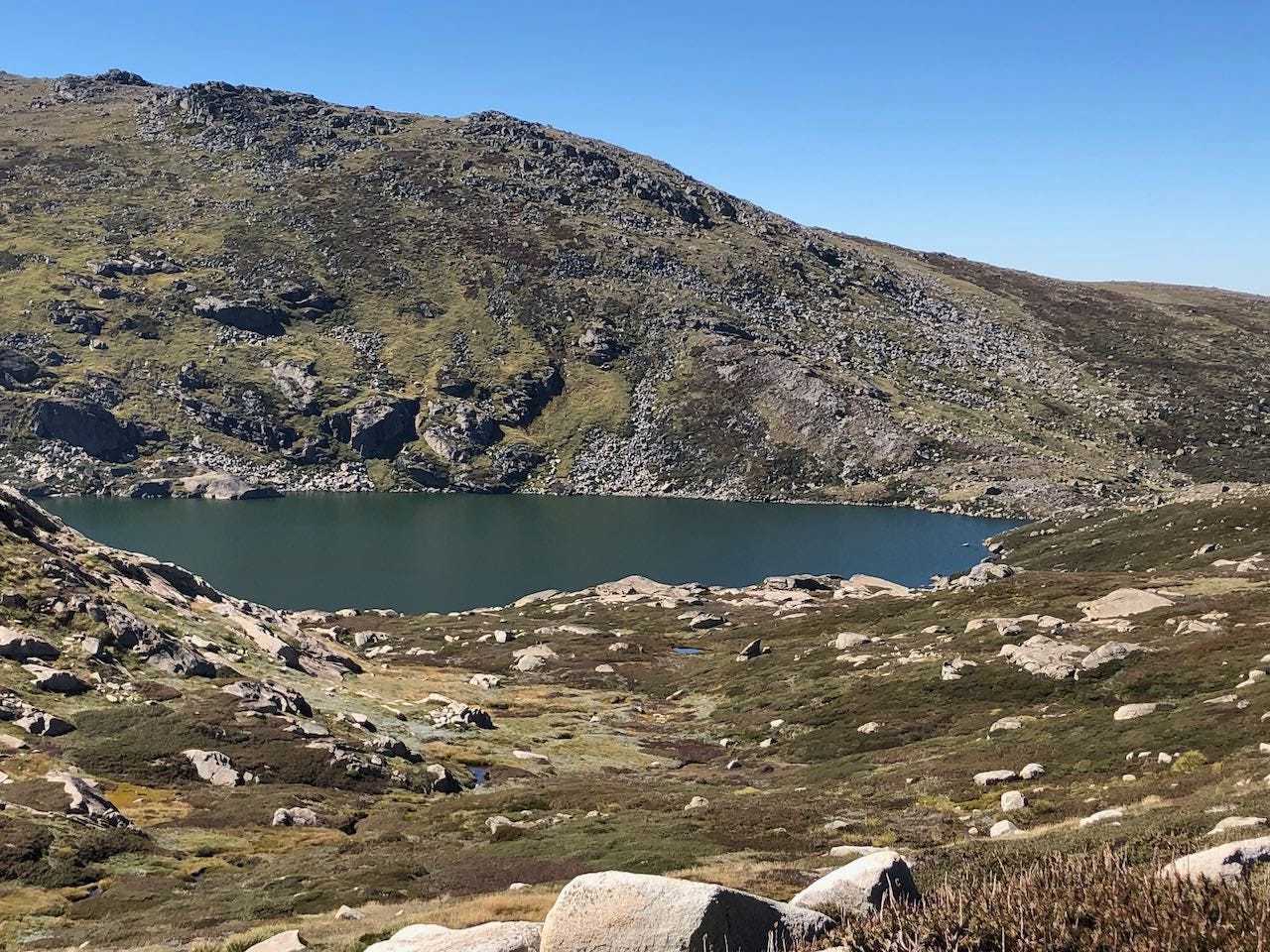
What I did on my holiday
Description
In the tradition of what we had to do in school when I was growing up, here’s my composition exercise on the first day back from holidays.
(Plus some bonus thoughts on preaching at the end from Phil Wheeler and David Jackman.)
Holidays are hardly the time for deep thought.
A bit of quiet musing perhaps, as the miles drift by down the highway, with a favourites compilation playing on the car stereo, and your beloved snoozing in the seat next to you.
But nothing too mentally taxing. No writing of Payneful Truths on the back of napkins.
However, now that I’m back from two refreshing weeks, I’ve been reflecting on why holidays are so good and so important.
Perhaps I’m feeling bullish about holidays because this one was so good. Unlike every previous attempt to take a break over the past two years, this one actually worked. No flood, fire or plague prevented us. The weather was glorious. The mountain trails we tramped were spectacular. The novels I read were diverting and profound. (I’ll share some of them below.)
It was a special time. That’s what a holiday is I suppose. It’s a ‘holy-day’; a special or distinctive day (which is what the word ‘holy’ means). Originally, these were days for celebrating one of the special ‘holy’ days in the Christian calendar.
But even more originally, the idea of setting apart certain special days to stop working goes back to the very beginning. God did it at the creation of the world, and he commanded Israel to do likewise—to have a special ‘stop’ day when no work was done (the word ‘sabbath’ means to cease or stop or rest from doing something).
Interestingly, in the two versions of the Ten Commandments (in Exod 20 and Deut 5), a different rationale is given for observing the day of ‘stopping’.
In Exodus 20, the reason is that “in six days, the LORD made heaven and earth, the sea, and all that is in them, and rested (or ‘stopped’) the seventh day. Therefore the LORD blessed the Sabbath and made it holy.”
Stop working, says the commandment, and remember that everything comes to you from the hand of the mighty Creator. Every single thing you do and work towards, and everything you experience and enjoy as the result of your labours—all of these things come from the God who made everything and then stopped; who completed the entire creation, so that “without him was not any thing made that was made”, as John 1 very precisely puts it.
We can only work and enjoy anything because God made everything. Don’t think for a minute (says the commandment) that you’re self-sufficient; don’t let a week go by without stopping and enacting truth that the majestic Creator made you and everything, and then stopped.
It’s certainly true that pausing to enjoy the fruit of our work is good for us, and refreshing. But the main reason to stop is because God stopped. There’s nothing we can add to his creation, in that sense. It’s all from him. We’re always working gratefully and trustingly with his raw materials. We are inescapably finite andcontingent beings. We need rest. And we are utterly dependent on our Creator for life and breath and everything. Resting from work is a recognition of that, and a celebration of it.
Exodus looks back to God’s finished work in creation, but Deuteronomy looks back to God’s powerful work in redeeming Israel from the slavery of Egypt. The rationale for keeping the ‘stopping day’ in Deuteronomy 5 is this: “You shall remember that you were a slave in the land of Egypt, and the LORD your God brought you out from there with a mighty hand and an outstretched arm. Therefore the LORD your God commanded you to keep the Sabbath day.”
Don’t forget (says the commandment) that everything you are enjoying here in the land of milk and honey is an act of pure grace. It’s God alone who strong-armed you here (so to speak), despite all your weakness and rebelliousness.
Listen Now
Love PodBriefly?
If you like Podbriefly.com, please consider donating to support the ongoing development.
Support Us