Episode Details
Back to Episodes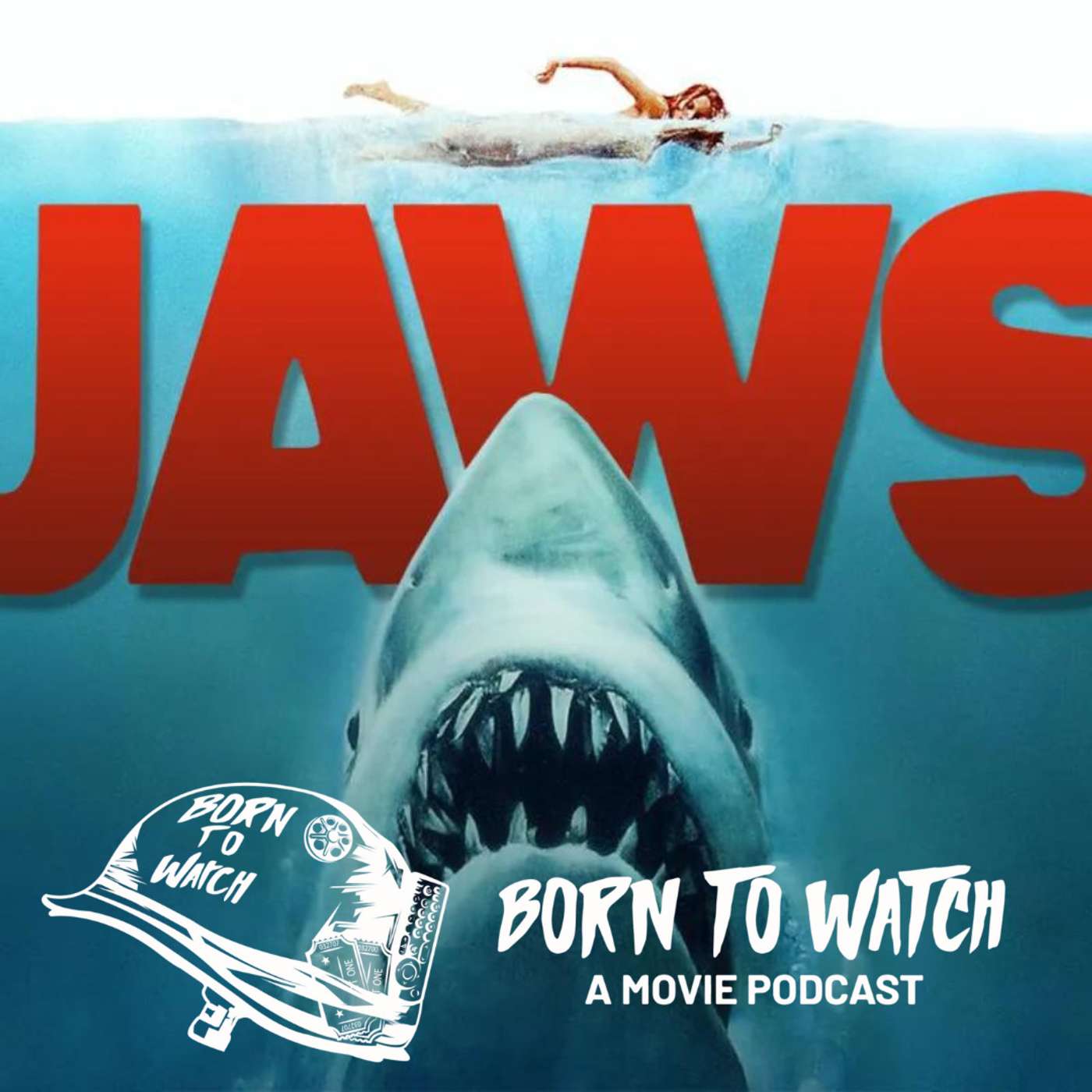
JAWS (1975)
Description
In celebration of our 100th episode, what better film to dissect than "JAWS," the blockbuster that redefined the summer movie experience and cemented Steven Spielberg's status as a master storyteller. Released in 1975, "JAWS" not only terrorized audiences with its portrayal of a man-eating great white shark but also demonstrated the power of cinema to evoke primal fears and unforgettable suspense. Let's dive into the depths of "JAWS" and explore what makes it a cinematic masterpiece and a cultural phenomenon.
The Genesis of Fear: A Simple Premise, An Unforgettable Impact
Based on Peter Benchley's novel, "JAWS" follows the harrowing ordeal of Amity Island, a fictional New England beach town, as it faces the deadly threat of a massive shark. Chief Brody (Roy Scheider), a New York cop turned local sheriff, marine biologist Matt Hooper (Richard Dreyfuss), and grizzled fisherman Quint (Robert Shaw) set out to kill the beast. Yet, the film’s genius lies not in the story it tells but in how it tells it. Spielberg's direction transforms a straightforward plot into a masterclass in tension, pacing, and fear, making the unseen and the unknown our greatest terror.
The Cinematic Craft: Building Tension Beneath the Surface
Spielberg's innovative use of camera angles, John Williams' iconic score, and Verna Fields' tight editing work in concert to create an atmosphere thick with suspense. The decision to delay the full reveal of the shark until deep into the movie amplifies the suspense, making each attack all the more terrifying. Spielberg turns the ocean itself into a character, one that's beautiful yet menacing, inviting yet treacherous. The director's ability to coax fear from the mere suggestion of danger—using the audience's imagination against them—is a testament to his understanding of the horror genre's core principles.
The Iconic Score: The Sound of Fear
John Williams' score for "JAWS" is nothing short of legendary. The simple, two-note motif has become synonymous with impending doom, illustrating how powerful a soundtrack can be in driving the emotional pulse of a film. Williams’ music plays a pivotal role in building tension, often acting as the shark's unseen presence. It's a prime example of how sound can be used to heighten suspense and invoke visceral reactions from the audience.
Characters and Performances: The Human Element
At its heart, "JAWS" is a story about people, and Spielberg never loses sight of this amidst the thrills and chills. The film's central trio, Brody, Hooper, and Quint, are richly drawn characters brought to life by Scheider, Dreyfuss, and Shaw's compelling performances. Their dynamics—ranging from camaraderie to conflict—add depth to the narrative, making their quest to hunt the shark as much a personal journey as it is a battle for survival. Quint's Indianapolis monologue remains one of cinema's most powerful scenes, offering a glimpse into the scars that define us.
Impact and Legacy: Changing the Tide of Cinema
"JAWS" didn't just scare millions of people out of the water; it revolutionised the film industry. It was the first true "blockbuster," setting new standards for marketing, distribution, and box office expectations. The summer movie season, now a staple of the film industry, was essentially born with the release of "JAWS." Its success paved the way for high-concept films that prioritize spectacle and broad appeal, shaping the modern blockbuster landscape.
Moreover, "JAWS" demonstrated the potential of special effects to enhance storytelling, despite the mechanical shark's frequent malfunctions. These technical difficulties inadvertently improved the film by forcing Spielberg to rely on suggestions rather than explicit visuals, a technique that would influence horror filmmakers for generations.
The Cultural Phenomenon: Beyond the S