Episode Details
Back to Episodes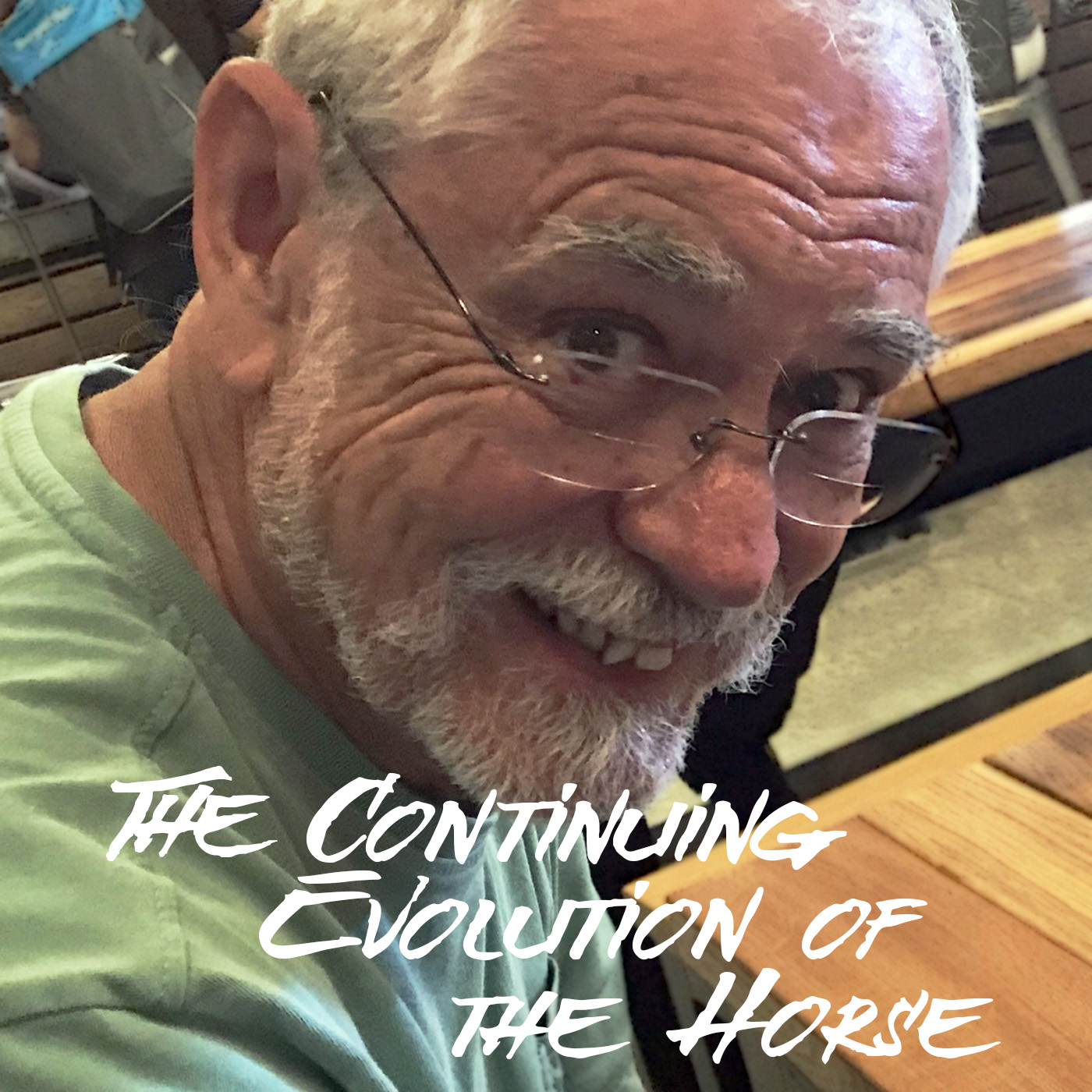
22: Theater Isn’t Just Entertainment—It’s a Cultural Organizing Tool for Saving Democracy
Description
Episode 22: Bob Leonard - The Continuing Evolution of the Horse
Threshold Questions and Delicious Quotes
What is the artist's role in the altered and uncertain world we are entering?
…there is a human, passion for justice, and it would seem that it's hard to get…as human beings, we rely on the stories that we tell each other to keep our sense of direction. I don't mean down a road, but where's North. … And we understand ourselves through our stories, and that includes that passion for justice. It's not an abstract, … They know when it's something is not just. ...And that struggle is enormously dependent on the stories that we tell ourselves about that, and artists are the people who do that.
How has Alternate Roots manifested the struggle and evolution of American democracy?
This was in the spirit of the times, both in terms of the, from my point of view, the American revolution continuing, but also the times were about finding out what democracy can do in the face of oppression. Whether we're talking about women's rights or civil rights or Vietnam war, there were a lot of people who were trying to figure out new ways of understanding the paradigm of democracy and democratic decision-making.
So, we decided that the board was going to be everybody. It was not going to be representative governance. We were going to be a participatory governance, and what's absolutely really astonishing Bill, is that that still is the case. 45 years later, we have a board of 200 people, and it is functioning well.
Is there a community arts, story telling aesthetic?
And that can have all kinds of permutations and experimentations, with, with the aesthetic. Does it have to be told in a particular aesthetic? The commercial aesthetic of East Tennessee is Dolly Parton and the explosion of the stereotypes of a mountain people in East Tennessee, but that isn't necessarily the required aesthetic. You have to learn what the aesthetic is from the audience, as opposed to thinking what's the commercial version that will get the dollar. You're listening different things when you do that. There is what artists at Roots we're doing and have been doing that for now, for, several decades. And then roadside is a wonderful example of that.
What does the evolution of the horse have to do with the art of possibility?
I really liked the, the image of the horse, which in the age of the dinosaur, the horse was the size of a mouse. It was a tiny little creature and, things turned upside down. I don't know whether a comment hit the earth or something, but things turned upside down and the horse emerged over the course of a long time, and no one would have thought that little thing that might've been a sort of a shrew or a mole or something would become what the horse is.
Transcript
Bill Cleveland: You know, I like to think of all the people I've had the privilege to speak with on this podcast as threads of a massive woven story fabric. A vibrating weave of bright and colorful threads, with thick and thin fibers, warping, woofing, twisted and bound together. so strong and tight, that if you try to coax, to pull, to yank one from another that whole thing will lock tight, resisting all force because there is not one strand, not one story that is not held by the rest.
Bob Leonard's story, today's story, is one of those caught up in that stubborn and infinite weave -- a crisscross of dialogue and music, lights and dancing, serendipity and surprise. Bound up with the layers of