Episode Details
Back to Episodes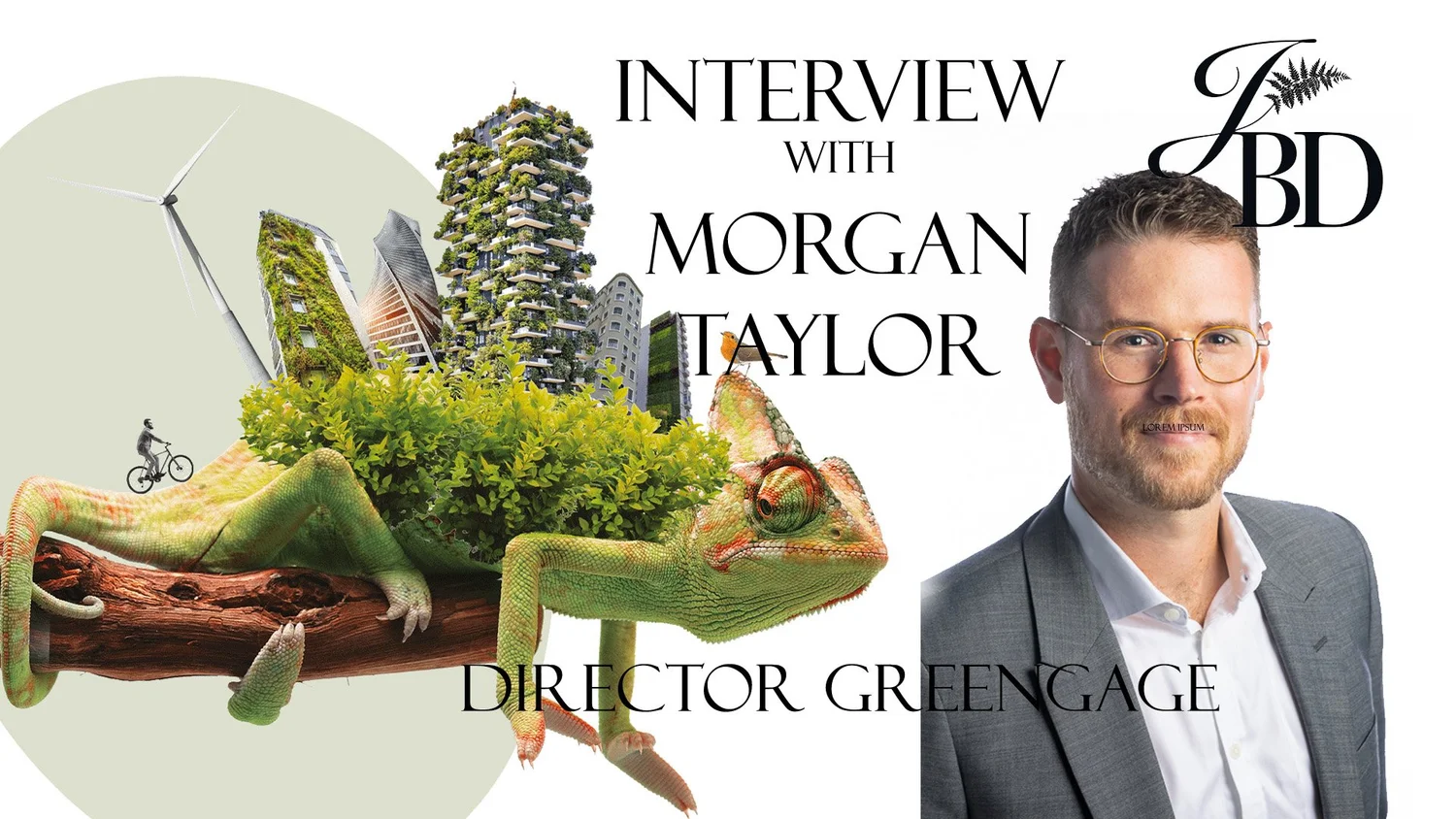
A task force for nature – where sustainability matters
Description
Morgan Taylor leads the biodiversity side of Greengage, a multidisciplinary environmental consultancy who cover everything from energy and carbon assessments, sustainability, health, wellbeing, socio-economic assessment, and EIA management as well as the whole gamut of biodiversity assessment through to planning.
As designers, architects, or planners, we all need to be mindful of the impact our ideas, advice and decisions have on the world around us. We recorded this interview in the summer last year* Their work is focused outside of the legislative and planning policy sphere in the world of natural capital and ecosystem service value assessment. So rather than working with developers where they are only brought in because there is a potential impact on biodiversity in the first place, they're working with a lot of people with regards to asset management, land management, informing how financial capital is put towards recovery of natural capital across managed assets.
We’ve got hundreds, maybe thousands of years of degradation and we need to take measures and understanding to address the impacts of our actions, and account for the significant loss of biodiversity particularly since the Industrial Revolution.
Morgan outlines all the different levels of legislation and planning policy that impact biodiversity in the built environment. He highlights three aspects of legislation and regulation that particularly drive positive change:
1. the Wildlife and Countryside Act.
2. The Habitats and Species Conservation Regulations, and
3. the Environment Act, which is from 2021.
These three pieces of legislation, he says, drive most actions with regards to protected species, protected habitats and importantly, the Environment Act is the legislation that will require all new development as of November 2023 to deliver measurable gains in biodiversity.
Morgan explains how Greengage guide development and design teams to incorporate biophilic design into their projects to improve biodiversity and meet the legal requirements. He explains that the scope can be as narrow as simply integrating swift boxes and house sparrow boxes or as broad and complex as approaches such as recreating woodland.
Moving away from the regulatory “stick”, Morgan explains how the requirement for financial disclosure by FTSE 100 companies resulting from the Taskforce for Climate-related Financial Disclosure (TCFD) has created a “carrot” where positive disclosure on areas such as urban heat islands, surface water and all aspects of climate change can improve the prospects of securing investment.
Greengage, says Morgan, are particularly excited about the sister disclosure recommendations from the Taskforce for Nature-related Financial Disclosure (TNFD). With a similar “carrot” companies benefit from how they implement biophilic design and how the economic benefits improve investor return.
He lays out in some details the potential for improved building performance that comes from delivering a living roof in terms of energy performance for both cooling and heating, reduced surface water meaning lower flood risk and contributions to net zero strategies.
The approach Morgan outlines is focused on the key driver for business, capital growth, and explains how biophilic design and improved biodiver