Episode Details
Back to Episodes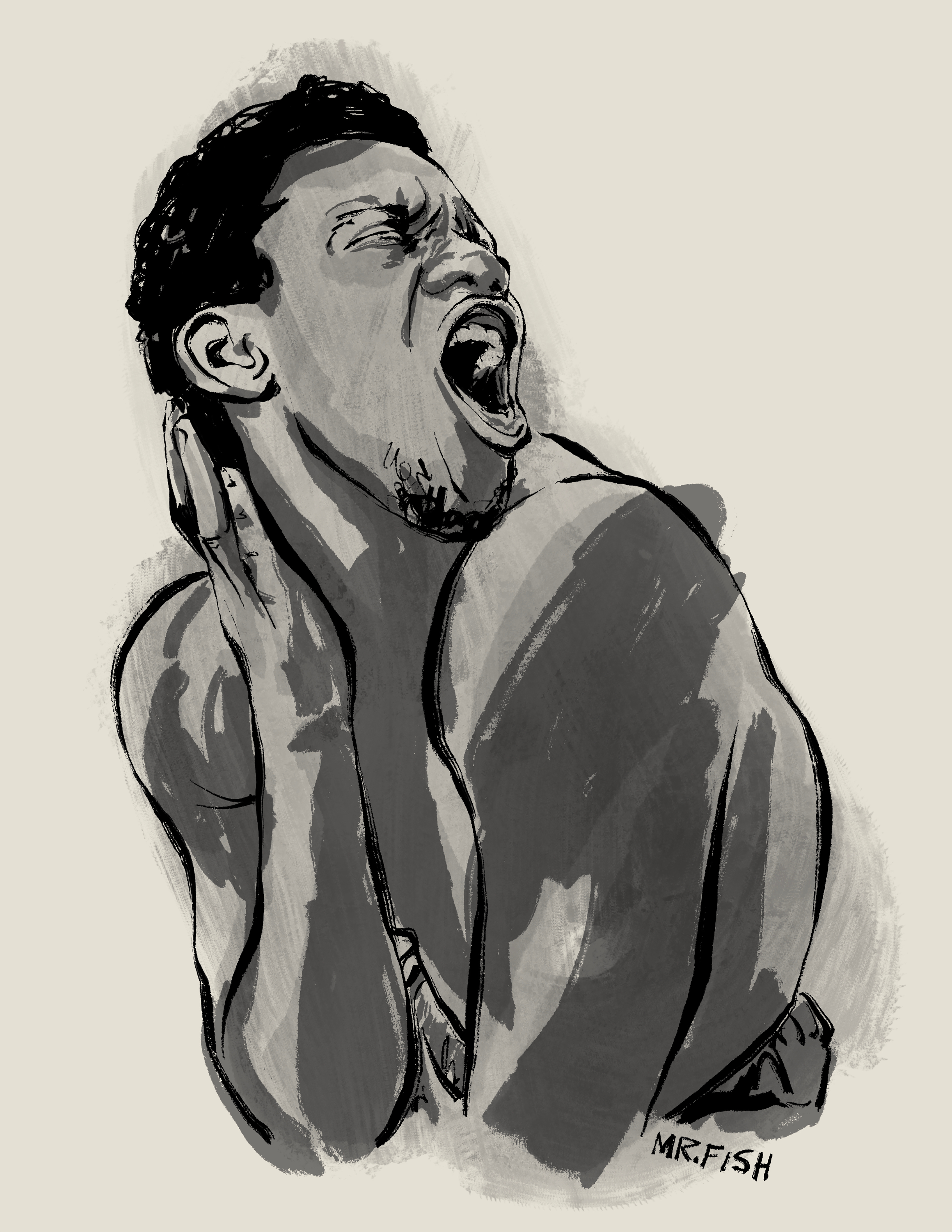
Listen to This Article: "They Crush Our Song for a Reason"
Description
Narrated by Eunice Wong
Song - by Mr. Fish
August Wilson wrote 10 plays chronicling Black life in the 20th century. His favorite, Joe Turner’s Come and Gone, is set in 1911 in a boarding house in Pittsburgh’s Hill District. The play’s title comes from “Joe Turner’s Blues,” written in 1915 by W. C. Handy. That song refers to a man named Joe Turney, the brother of Peter Turney, who was the governor of Tennessee from 1893 to 1897. Joe Turney transported Black prisoners, chained in a coffle, along the roads from Memphis to the Tennessee State Penitentiary in Nashville. While en route, he handed over some of the convicts, for a commission, to white farmers. The prisoners he leased to the farmers worked for years in a system of convict leasing — slavery by another name.
In Wilson’s play, Herald Loomis, a convict who worked on Turner’s farm, arrives in Pittsburgh after seven years of bondage with his 11-year-old daughter, Zonia, in search of his wife. He struggles to cope with his trauma. At a boarding house, he meets a conjurer named Bynum Walker, who tells him that, to face and overcome the demons that torment him, he must find his song.
It is your song, your voice, your history, Walker tells him, which gives you your identity and your freedom. And your song, Walker tells him, is what the white ruling class seeks to eradicate.
This denial of one’s song is instrumental to bondage. Black illiteracy was essential to white domination of the South. It was a criminal offense to teach enslaved people to read and write.
The poor, especially poor people of color, remain rigidly segregated within educational systems. The backlash against critical race theory (CRT), explorations of LGBTQ+ identities and the banning of books by historians such as Howard Zinn and writers such as Toni Morrison, are extensions of this attempt to deny the oppressed their song.
PEN America reports that proposed educational gag orders have increased 250 percent compared with those issued in 2021. Teachers and professors who violate these gag orders can be subject to fines, loss of state funding for their institutions, termination and even criminal charges. Ellen Schrecker, the leading historian of the McCarthy era’s widespread purging of the U.S. education system, calls these gag bills “worse than McCarthyism.” Schrecker, who authored No Ivory Tower: McCarthyism and the Universities, Many Are the Crimes: McCarthyism in America and The Lost Promise: American Universitie