Episode Details
Back to Episodes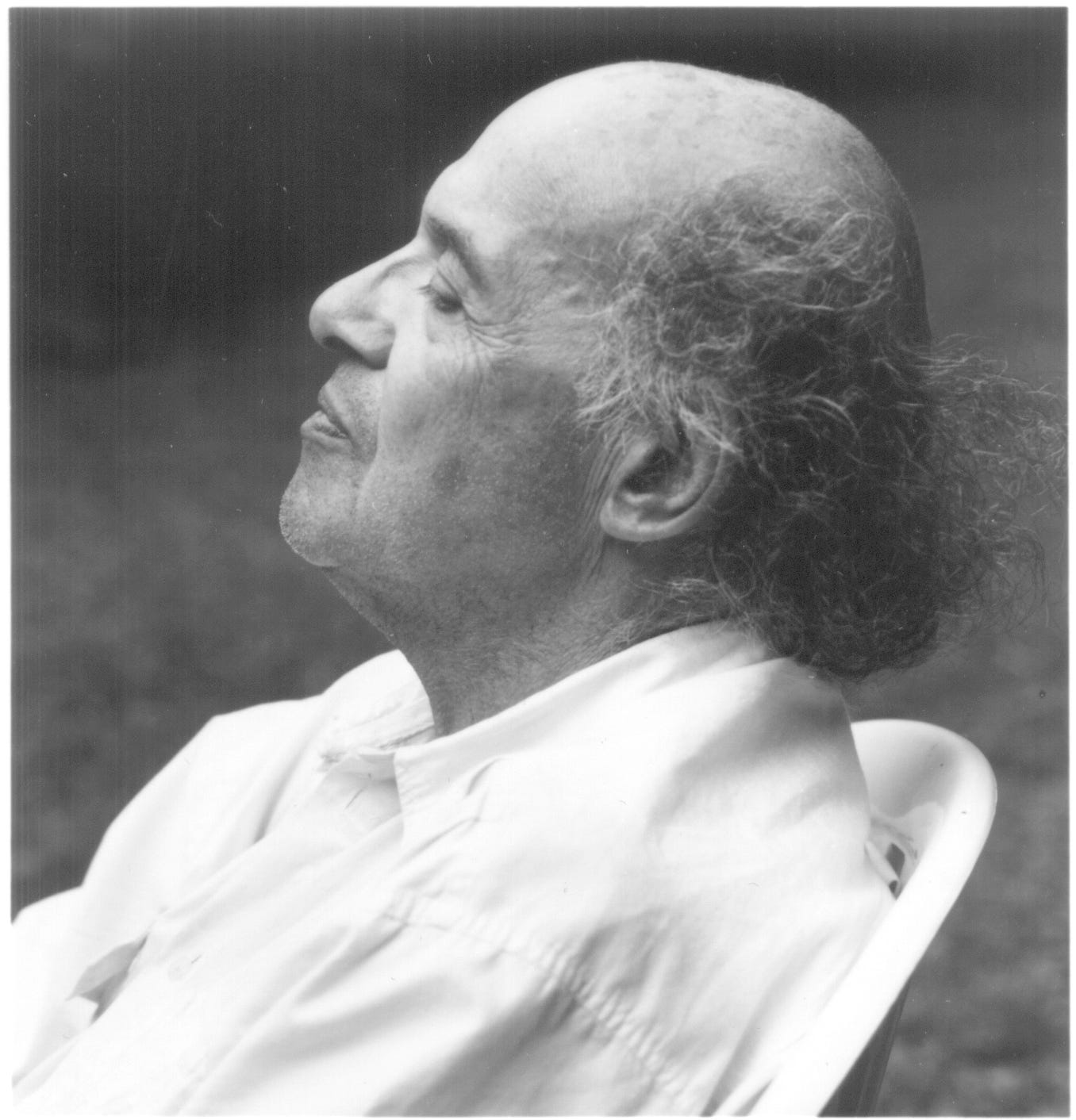
Listen to this Article: "Death of an Oracle"
Description
Narrated by Eunice Wong
Text Published 10/30/2022
The poet Gerald Stern, who died last Friday at the age of 97, spent his life thundering against the mendacity and abuse of power; rebelling against all forms of authority, big and small; defying social conventions; and wielding his finely honed writing on behalf of the demonized, forgotten and oppressed. He was one of our great political poets. Poetry, he believed, had to speak to the grand and minute issues that define our lives. He was outrageous and profane, often in choice Yiddish, French and German. He was incredibly funny, but most of all brave. Rules were there, in his mind, to be broken. Power, no matter who held it, was an evil to be fought. Artists should be eternal heretics and rebels. He strung together obscenities to describe poets and artists who diluted their talent and sold out for status, grants, prizes, the blandness demanded by poetry journals and magazines like The New Yorker, and the death trap of tenured professorships.
I met Jerry when I was a pariah. I had repeatedly and publicly denounced the invasion of Iraq and, for my outspokenness, had been pushed out of The New York Times. I was receiving frequent death threats. My neighbors treated me as though I had leprosy. I had imploded my journalism career. Seeing how isolated I was, Jerry suggested we have lunch each week. His friendship and affirmation, at a precarious moment in my life, meant I had someone I admired assure me that it would be all right. He had the impetuosity and passion of youth, reaching into his pocket to pull out his latest poem or essay and reading long sections of it, ignoring his food. But, most of all, he knew where he stood, and where I should stand.
“There is no love without justice,” he would say. “They are identical.”
Jerry’s rebelliousness colored his life. There was, for him, no other honest way to live. He donned bathing trunks to join Black students desegregating a swimming pool in Indiana, Pennsylvania. When, in the 1950s, Temple University, where he was teaching, built a six-foot wall around its campus to separate it from the surrounding Black neighborhood, he refused to walk through the entrance and climbed over the wall to get to class. The university fired him. He knew that any concession to power — and he saw universities as bastions of corporate power — eroded your integrity. He was unyielding. He told me, but perhaps more importantly showed me, that I must also be unyielding. We would not, he assured me, be rewarded by the wider society for our obstinacy, nor would we often be understood, but we would be free. And there would be those, especially the marginalized and oppressed, who would see in our defiance an ally, and that, in the end, was all that truly mattered. He called himself an agnostic, but he came as close to embodying the qualities of an Old Testament prophet — Biblical prophets were regarded at best as eccentrics if not insane — as anyone I ever met. He tied the most mundane moments of existence to the eternal mystery of the cosmos.
He closes his poem “The One Thing in Life” with these words:
There is a sweetness buried in my mind; there is water with a small cave behind it; there’s a mouth speaking Greek. It is what I keep to myself, what I return to; the one thing that no one else wanted.
Jerry read voraciously. He could recite volumes of poetry from memory. He loved the musicality of language. He kept a notebook next to his bed, so when words came to him in the middle of the night, and they would come in torrents, he could immediately scribble them down.
“Your job is to read, read, read and occasionally write,” he said.
Poems he loved, including
Listen Now
Love PodBriefly?
If you like Podbriefly.com, please consider donating to support the ongoing development.
Support Us