Episode Details
Back to Episodes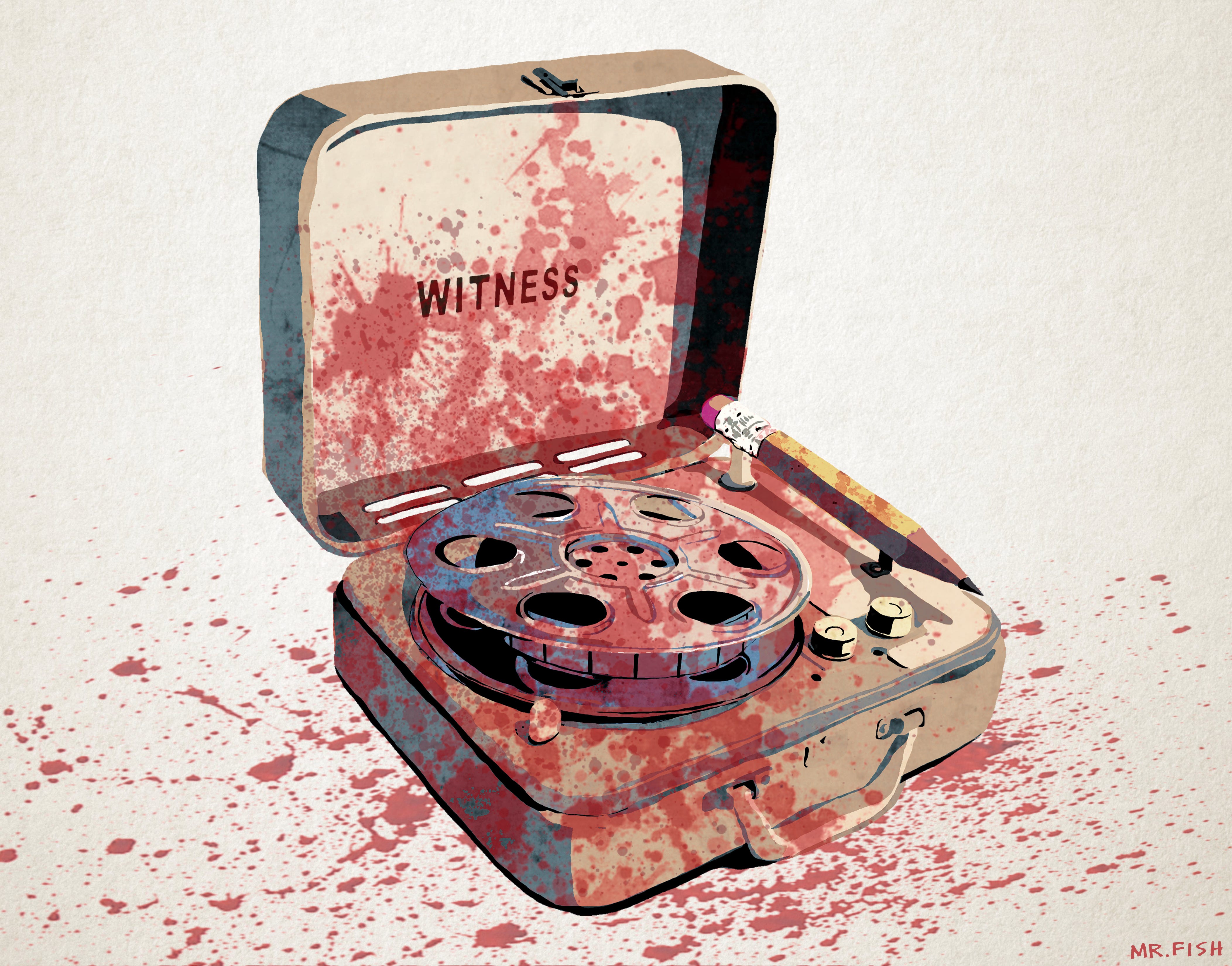
Listen to This Article: There Are Very Few Good Films About War. “20 Days in Mariupol” is an Exception
Description
Narrated by Eunice Wong
Text originally published July 22, 2023
Witness - by Mr. Fish
Films about war, shorn of the bone crushing fear, the putrid stench of the corpses, the deafening noise of explosions, the constant exhaustion and the nervous anxiety that comes with trying to understand what is happening in the terrifying chaos, are pale and inadequate reflections of the vast enterprise of industrial slaughter. And these are the good films, of which there are only a few.
Most feature war films and documentaries, from The Sands of Iwo Jima to Saving Private Ryan, are war pornography. They romanticize those wielding the terrible instruments of death. They justify the unjustifiable. They pay homage to the war machine. They entice naïve young men and women into becoming cannon fodder. They distort the public’s perception of war, leaving those who return from war and attempt to speak the awful truth alienated and ignored.
Those in war who do the fighting, endowed with a god-like power to kill, are a minority. The real face of war is the hardship and grief suffered by civilians caught up in the maw of destruction. Their stories are hard to hear. Their fate is hard to see, which is why images from war are always sanitized. If we truly saw war, it would be so shocking, so disturbing, so disgusting, war would be hard to wage. The best accounts of war, for these reasons, eschew scenes of combat.
The documentary “20 Days in Mariupol,” a chronicle of the first 20 days of Russia’s invasion of Ukraine, captures what I witnessed as a war correspondent in Central America, the Middle East, Africa and the Balkans. It fails, as all films about war must fail, but it succeeds where few films about war succeed. It relentlessly rips back the veil on war - fatally wounded children and pregnant women torn apart by shell fragments; the frantic and doomed efforts of doctors to save them; the shrieks and lamentations of those cradling the bloodied bodies of the dead; the collapse of the social order once the fragile structures of a civil society cease to exist and looting and pillage become a way to survive. In war there are only predators and prey.
War is ugly and tawdry. Violence creates nothing. It only destroys — human beings, animals, schools, homes and apartment blocks, hospitals, bridges. It is the purest expression of death. All the forces that nurture and sustain life — familial, civil, social, cultural, ecological — are slated for obliteration.
Associated Press video journalist Mstyslav Chernov and his colleagues, photographer Evgeniy Maloletka and producer Vasilisa Stepanenko, documented the first three weeks of the Russian assault on the port city of Mariupol. The three Ukrainian reporters were the only ones from a foreign news agency to remain in the city. The movie draws from 25 hours of film, only 40 minutes of which were transmitted to the AP editors. Much of the footage, even if it could all have been transmitted, would never have been disseminated. It is too graphic.
The film focuses exclusively on Russian atrocities. It ignores those committed by Ukrainians. I covered enough wars to know there were some. The neo-Nazi Azov Regiment, and other fascist-inspired militias, played a major role in the fighting in Mariupol. These militias have been accused of terrorizing and
Listen Now
Love PodBriefly?
If you like Podbriefly.com, please consider donating to support the ongoing development.
Support Us