Episode Details
Back to Episodes60. Why Don’t Real Researchers Heed Sci-Fi Warnings Against Mad Science?
Description
“This time, it will be different,” quips the mad scientist. “I’m not one of those idiots who don’t know what they’re messing with. I’m an enlightened individual who’s going to accomplish what’s never been done before!” Or so the thinking goes. We see these characters all the time in stories. But increasingly, we’re seeing this mad scientist attitude in the real world. Why is life imitating the very art that tried to warn us?
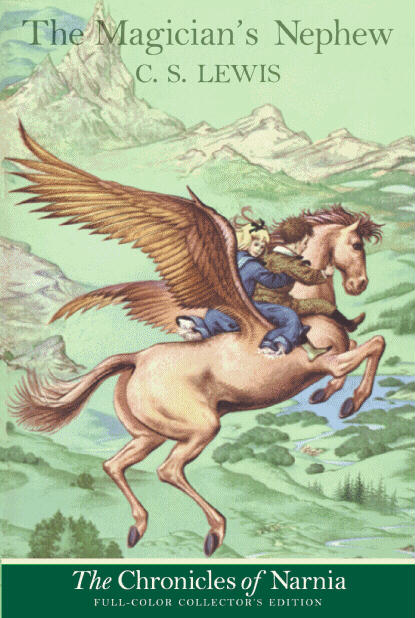 Mad scientist motives at the dawn of Narnia
- The mad scientist is perfectly captured by Uncle Andrew in C. S. Lewis’s The Magician’s Nephew.
“Rotten?” said Uncle Andrew with a puzzled look. “Oh, I see. You mean that little boys ought to keep their promises. Very true: most right and proper, I’m sure, and I’m very glad you have been taught to do it. But of course you must understand that rules of that sort, however excellent they may be for little boys—and servants—and women—and even people in general, can’t possibly be expected to apply to profound students and great thinkers and sages. No, Digory. Men like me, who possess hidden wisdom, are freed from common rules just as we are cut off from common pleasures. Ours, my boy, is a high and lonely destiny.”
As he said this he sighed and looked so grave and noble and mysterious that for a second Digory really thought he was saying something rather fine. But then he remembered the ugly look he had seen on his Uncle’s face the moment before Polly had vanished: and all at once he saw through Uncle Andrew’s grand words. “All it means,” he said to himself, “is that he thinks he can do anything he likes to get anything he wants.”
—The Magician’s Nephew, C. S. Lewis
- Later on Queen Jadis, the future White Witch of Narnia, says much the same:
“I was the queen. They were all my people. What else were they there for but to do my will? … You must learn, child, that what would be wrong for you or for any of the common people is not wrong in a great queen such as I. The weight of the world is on our shoulders. We must be freed from all rules. Ours is a high and lonely destiny.”
—Queen Jadis, from The Magician’s Nephew, C. S. Lewis
Concession stand
- We’re not anti-technology or anti-science, but pro-ethics.
- This isn’t about Christians vs. Science, but science vs. science.
- The objections to the stories we’ll talk about most often come from other scientists.
1. Gene editing
First up, humanity’s quest to hack the DNA code of humans, animals, and sometimes both at once.
- “Scientists Have Created Embryos That Are Part Human, Part Monkey,” Forbes.com, April 15, 2021
… Chimeric embryos were created by injecting human stem cells into monkey embryos which were then grown under laboratory conditions … a controversial practice that scientists say could help develop treatments for diseases and pave the way to growing much needed organs for human transplantation.
The moral status of these part-human animals is a