Episode Details
Back to EpisodesSorcery Schools of Spain
Description
For centuries, Spain was said to be the home of secret, underground sorcery schools, Toledo being the first city with this reputation and later Salamanca. The notoriety of the latter was more enduring, and when the legend passed to Spanish colonies of the New World, the word, “Salamanca” was embraced as a generic term for any subterranean location said to be the meeting place of witches. We begin the show with a clip from the 1975 Argentine film Nazareno Cruz and the Wolf, which depicts just such a place.
A particularly early reference to this concept can be found in a romanticized 12th-century biography of a particularly interesting character, a French pirate and mercenary Eustace the Monk. Mrs. Karswell reads for us a passage written by an anonymous poet of Picardy, who describes Eustace’s occult schooling in the city of Toledo. Along with this we hear as a passage from a 1335 Tales of Count Lucanor by Juan Manuel, Prince of Villena, which adds another element to the legend, that of its underground location.
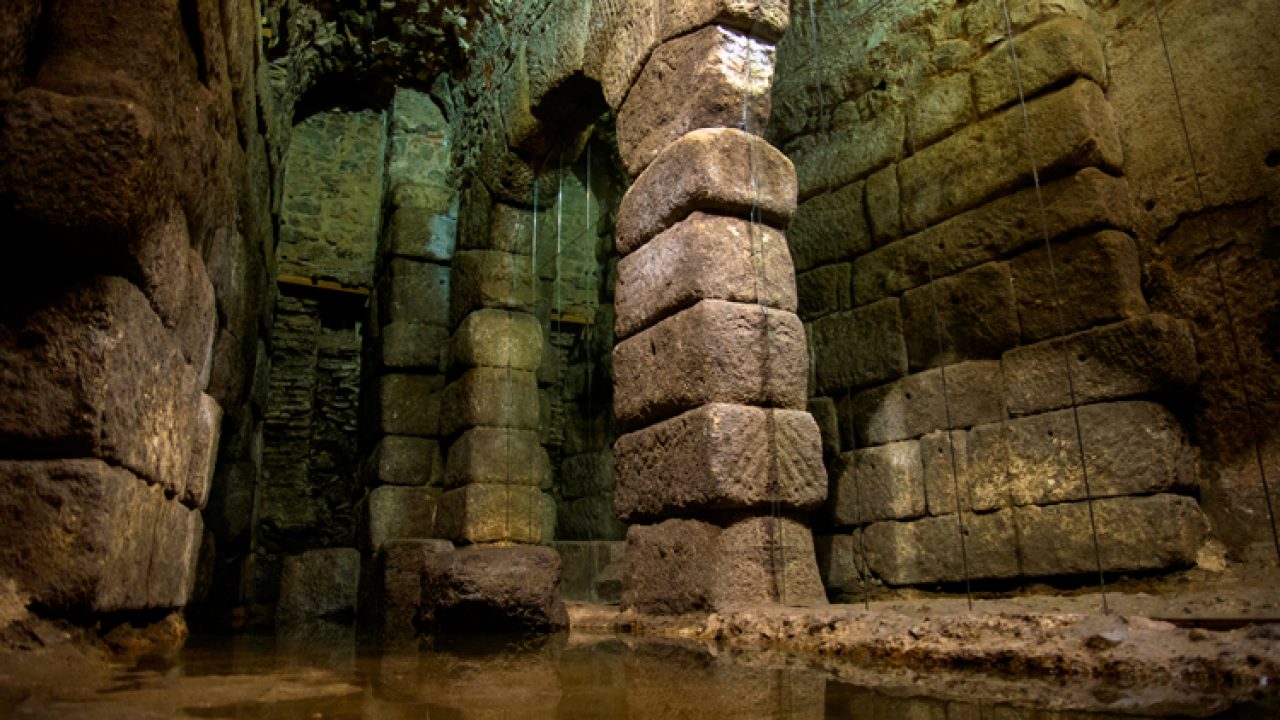
Curiously, a number of Spanish cities claim as their founder the Greek demigod Hercules, but in Toledo, he’s also credited with founding this school of magic, excavating a subterranean space in which he imparts his supernatural knowledge, at first in person, and later in the form of a magically animated sculpted likeness. Another Toledan legend, was later blended into this mythology. It’s the story in the Visigoth King Roderick, Spain’s last Christian ruler makes a discovery prophesying his defeat by the Moors in 711 CE. Along with a parchment foretelling this, Roderick exploration of this enchanted palace or tower results in the discovery of the Table of Solomon, a construction of gold, silver, and jewels also attributed with occult powers. Legends detailing this are believed to be of Arabic origin, first recorded in the 9th century and later appearing in One Thousand and One Nights. In later Spanish retellings, the treasure house is conflated with the Cave of Hercules, and the fall of Spain to the Moors is attributed to Roderick breaking of a spell woven by Hercules, to keep North African invaders at bay.
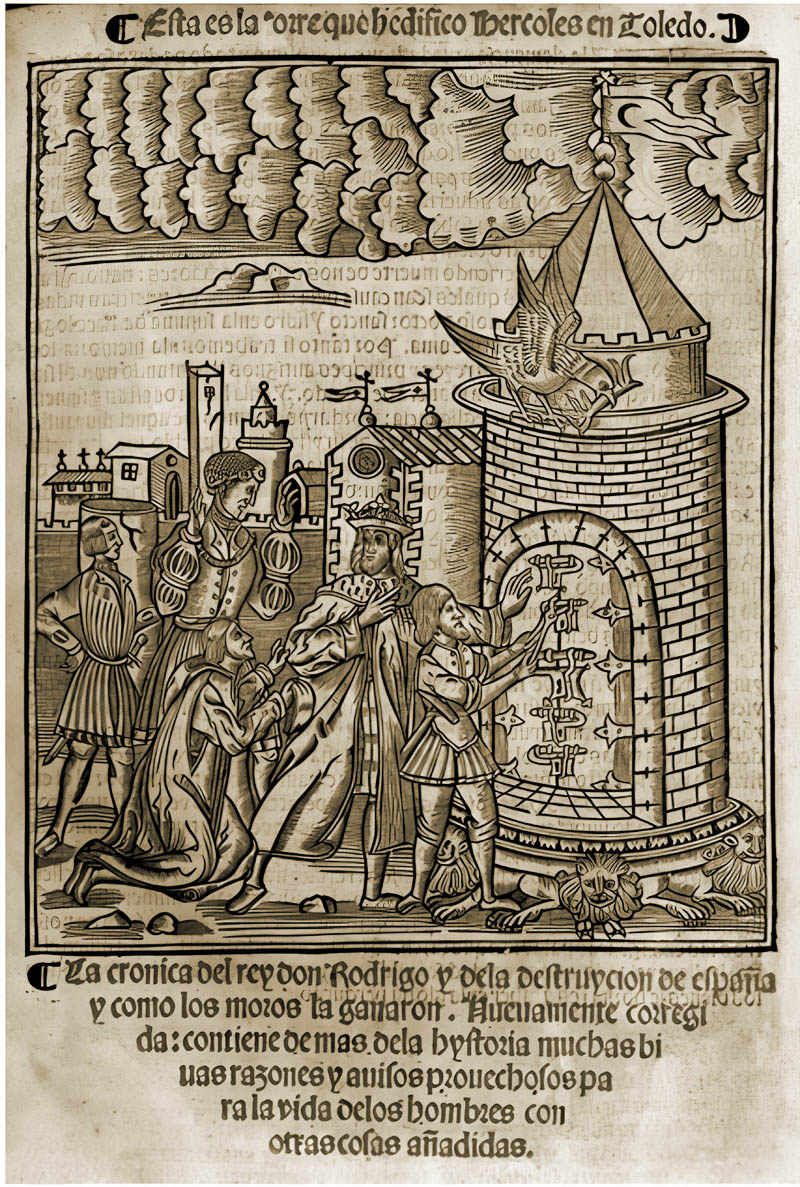
By the 16th century, this site (now identified as an ancient Roman structure underlying Toledo’s church of San Ginés) had inspired such wild tales that Cardinal Juan Martinez Siliceo organizes a 1547 expedition into a subterranean space in hopes of putting the rumors to rest, but it hardly succeeded at that. Mrs. Karswell reads a dramatic 1625 account of that misadventure.
Listen Now
Love PodBriefly?
If you like Podbriefly.com, please consider donating to support the ongoing development.
Support Us