Episode Details
Back to Episodes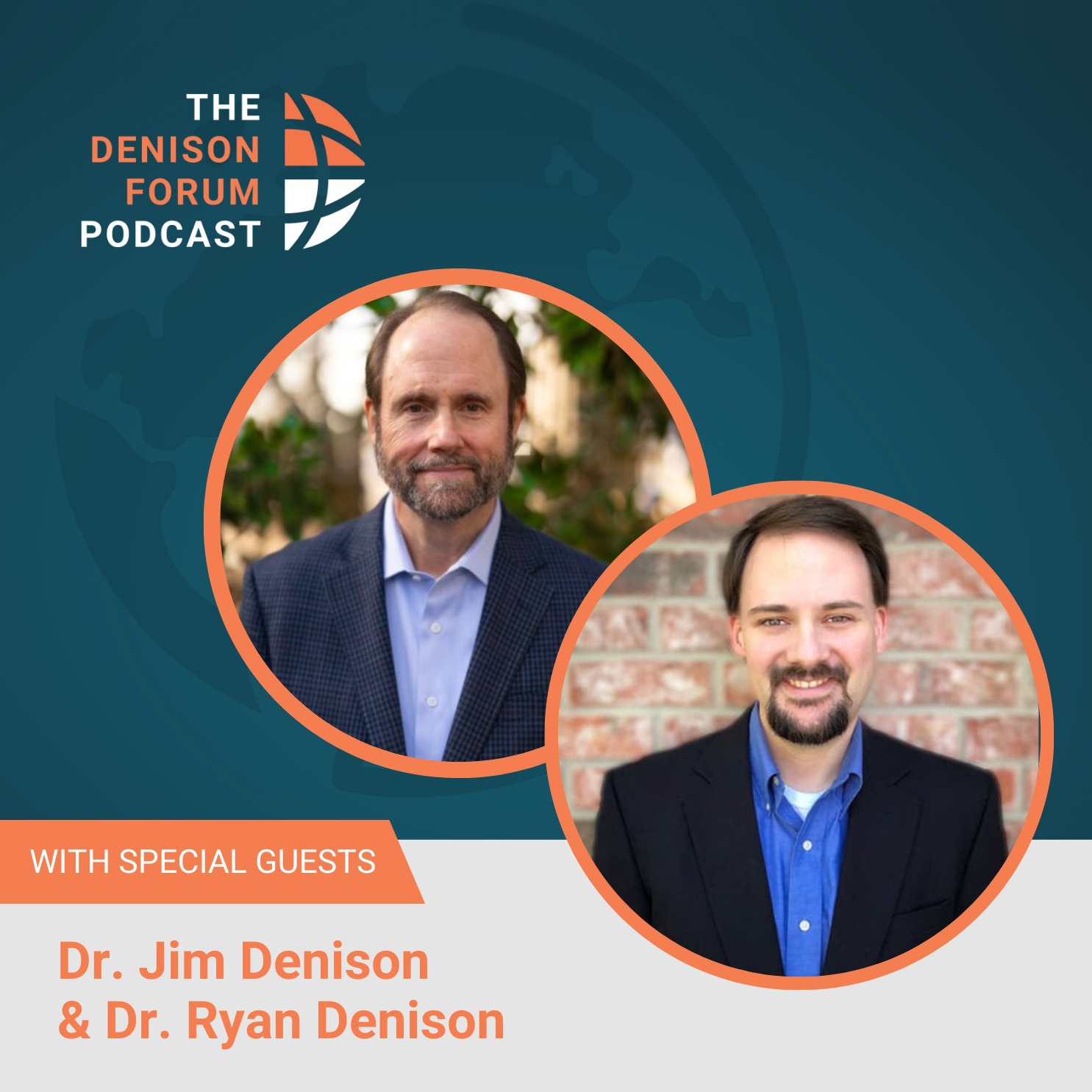
Confronting the past: Why International Holocaust Remembrance Day matters
Description
International Holocaust Remembrance Day is January 27, and we must remember its victims and understand its significance in today's world.
In this episode of The Denison Forum Podcast, Dr. Jim Denison, Dr. Ryan Denison, and Dr. Mark Turman discuss the relevance of remembrance, both for events like the Shoah and in our own lives.
Perspectives on remembrance
The conversation begins with International Holocaust Remembrance Day, an essential day marking the liberation of Auschwitz-Birkenau. This largest concentration camp witnessed the merciless killing of over a million victims during the Holocaust, serving as a stark reminder of humanity's potential for brutality.
While many call this horrific occurrence a "Holocaust," our Jewish friends often refer to it as the "Shoah," a Hebrew word meaning catastrophe. This preference arises from the fact that "holocaust" refers to a willing sacrificial offering; its victims were not willing.
Link between the past and the present
Witnessing history, we’re reminded that anything that has transpired can still happen, and any atrocity we've committed, we can still commit. This understanding propels us to be more mindful of our actions and strive not to repeat the mistakes of the past.
Guilt, shame, and the power of remembrance
The discussion led to an exploration of the collective sense of guilt and shame that accompanies remembrance. Often, nations implement memorials and monuments to serve as a silent apology and continuous expression of regret and repentance. These become tangible reminders of the past, ensuring we don't forget, and more importantly, don't repeat past atrocities.
But what role does guilt and shame play in this context? Guilt can often bind us to our past, trapping us in a cycle of sin and confession. However, collective guilt or shame can be valuable, acting as a vital reminder of our collective past mistakes and urging us to learn and evolve.
Personalizing the act of remembrance
Understanding history goes beyond reciting dates or facts—it’s about learning from the past, commemorating our growth, and understanding our potential for both good and evil.
Applying this concept to our personal lives becomes more nuanced. Guilt or shame regarding personal sins only serve to repress and bind us. However, the Holy Spirit has a precise objective—to convict us of our specific sins, not generically. The purpose here isn't to condemn but to identify malignancies so they can be treated and removed.
While it is necessary to remember our past sins—to learn from them—it is also crucial to understand that God forgives, forgets, and bears no resentment. Even in collective forms, our guilt and shame should be a channel for redemption and positive change, not a means of torment.
Conclusion
Reflecting on our past—both individual and collective—is a necessary and pivotal aspect of growth. Days of remembrance like the International Holocaust Remembrance Day serve as bridges between the past and the present, reminding us of humanity’s capacity for brutality. By appropriately remembering and honoring these events, we can ensure that history doesn't repeat itself and strive for a better collective future.
Ultimately, it's crucial to remember that anything God has done he can still do today. Thus, we should always aim to be faithful to the teachings of God and remain enthusiastically open to the new lessons the Lord bestows upon us each day.
Resources
Why the “Holocaust” was not a holocaust: A reflection on the gravest crime in human history