Episode Details
Back to Episodes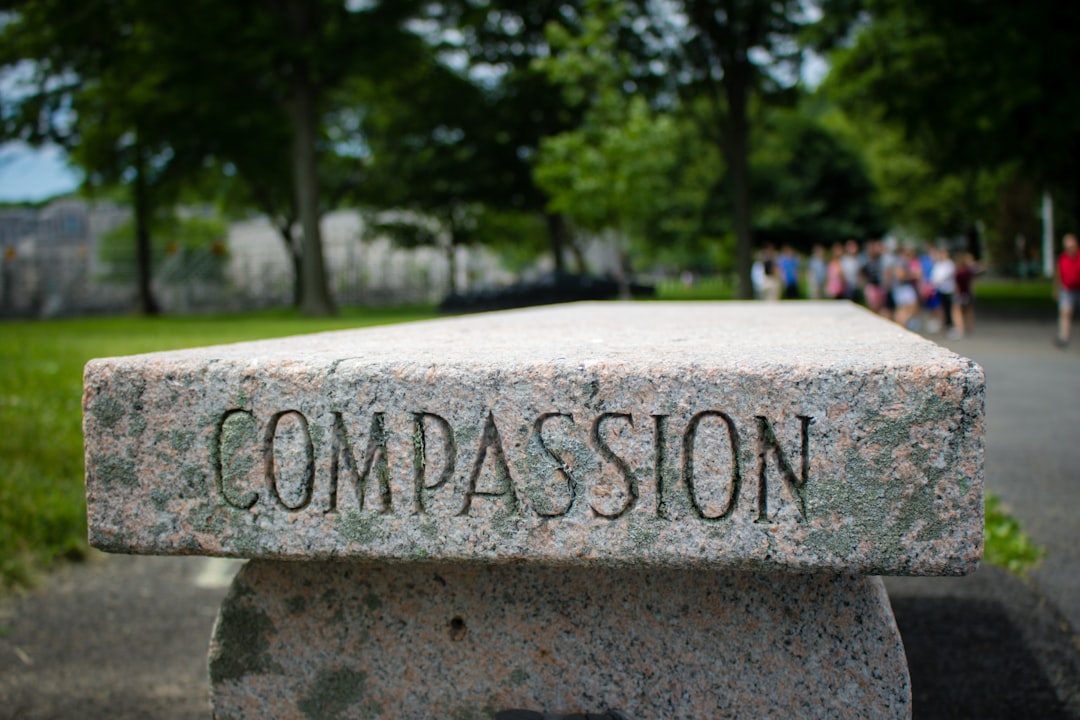
Mark 6:30-44, The Compassion of Jesus
Description
Mark chapter 6, last week we looked at verses 14-29 and we saw the dangers of weakness, the dangers of sinful weakness in the life
of King Herod, weakness that stemmed from his sinful nature and then sins and weaknesses that were compounded and fed by his sinful choices, his sinful actions.
His lust led to the degradation of his stepdaughter, then led to him making a foolish promise, and then his fear of man stopped him from going back on that promise and correcting course and wound up leading to the murder of John the Baptist.
And there's only one solution for that kind of weakness.
There's only one answer for it, and that is repentance.
When you are bound by sin, there's only one way out, and that's to turn, to repent of your foolishness.
That's what John the Baptist had been calling Herod to.
He's telling him what you're doing is wrong, you need to repent of that sin, and Herod refused to do that.
But it's the only way to true freedom.
Though our world looks at the ability to choose, the ability to do whatever you want as freedom, what the scriptures tell us is that he who sins is bound by his sin.
He's a slave to sin, Jesus says in John chapter 8.
But John 8.36, Jesus says, he whom the Son sets free is free indeed.
So the only way to be free of that kind of weakness and bondage and sin is to
Look to Christ for freedom to repent of your sins and to trust in his sacrifice for your sins.
This week we're going to see another kind of weakness.
Namely our, and I mentioned it last week at the front end, but that's the weakness of simply being a human creature.
Having human frailty.
And this sort of weakness does not call for repentance.
Some of us carry around a false sense of guilt because of this sort of weakness.
But instead it calls for us to have a conscience, conscious dependence upon our creator, upon Christ's compassionate care for us.
Mark chapter six, beginning in verse 30 says this, the apostles returned to Jesus and told him all that they had done and taught.
And he said to them, come away by yourselves to a desolate place and rest a while.
For many were coming and going, and they had no leisure even to eat.
And they went away in the boat to a desolate place by themselves.
Then when he saw them going and recognized them, and they ran there on foot from all the towns and got there ahead of them, he went ashore.
When he went ashore, he saw a great crowd and he had compassion on them because they were like sheep without a shepherd.
And he began to teach them many things.
And when it grew late, his disciples came to him and said, this is a desolate place and the hour is now late.
Send them away to go into the surrounding countryside and villages and buy themselves something to eat.
But he assured them, answered them rather, you give them something to eat.
And they said to him, shall we go and buy 200 denarii worth of bread and give it to them to eat?
And he said to them, how many loaves do you have?
Go and see.
And when they had found out, they said, five and two fish.
Then he commanded them all to sit down in groups on the green grass.
So they sat down in groups by hundreds and by fifties, taking the five loaves and the two fish.
He looked up to heaven and said a blessing and broke the loaves and gave them to the disciples to set before the people.
And he divided the two fish among them all.
And they all ate and were satisfied.
And they took up twelve baskets full of broken pieces and of the fish.
And those who ate the loaves were five thousand men.
What I want to argue this morning, contend for, is that though it only appears once, the word only is here once in the text, I think the central theme of this paragraph is compassion.
Christ's compassion for the needs