Episode Details
Back to Episodes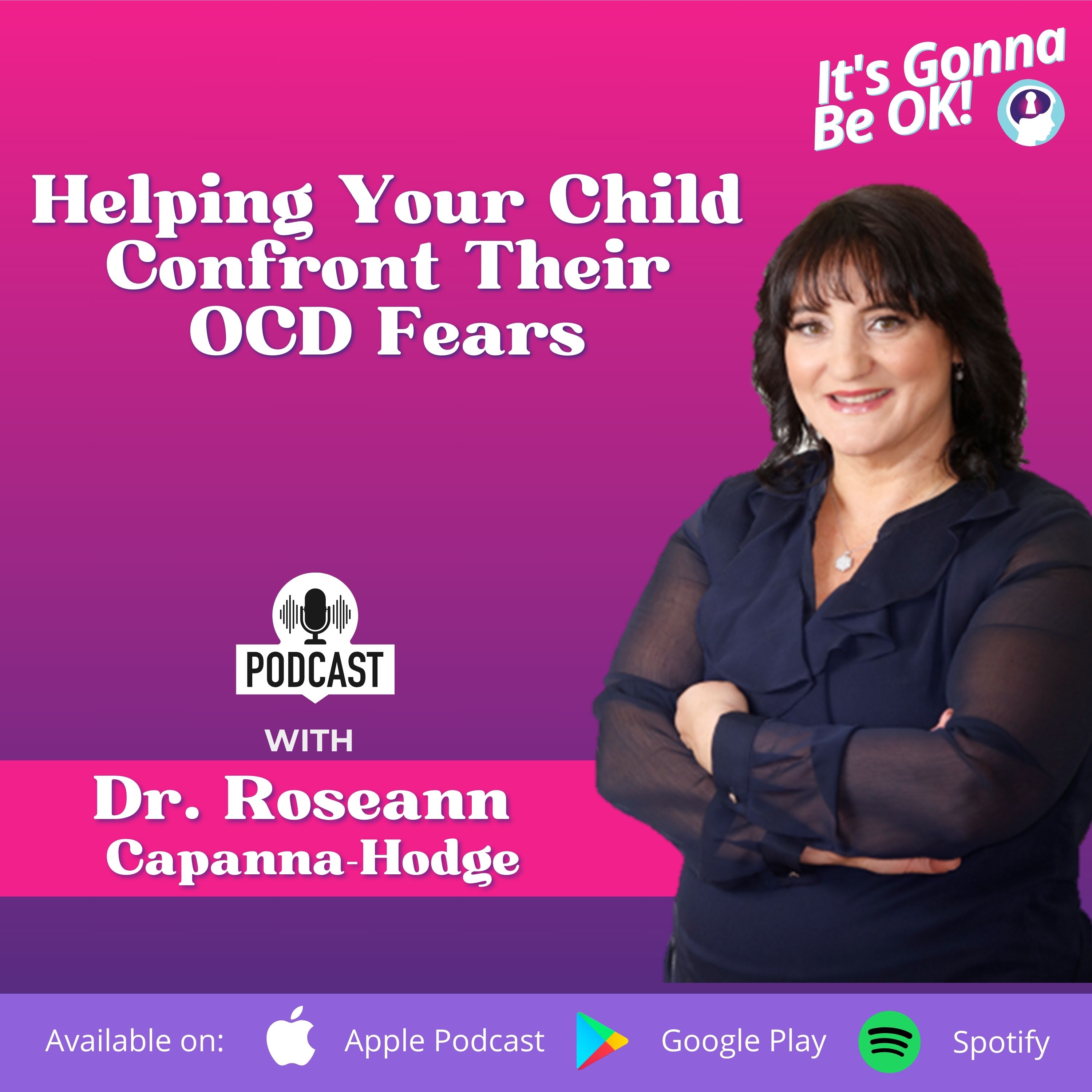
Helping Your Child Confront Their OCD Fears | Co-Regulation | 148
Description
Confronting OCD Fears: Calming the Brain and Breaking the Cycle
When your child is terrified of intrusive thoughts or rituals, it can leave parents feeling scared, exhausted, and unsure how to help. OCD fears in children are intense, often hidden, and can take over daily life. In this episode, Dr. Roseann explains why OCD feels so real to kids, how anxious avoidance keeps their brain stuck, and what strategies actually help children build confidence, resilience, and brain-based coping skills.
In this episode, you’ll learn:
• How OCD fears in children develop and why they feel urgent
• Signs that distinguish OCD from general anxiety or behavior challenges
• How parents can avoid accidentally accommodating OCD
• Evidence-based treatments including ERP, psychoeducation, neurofeedback, and PEMF
• Practical tools to support Nervous System Regulation in Children at home
What’s really happening in the brain
OCD fears aren’t “just worries.” They are fear-driven brain loops that feel urgent and threatening, even when they are irrational.
Children may experience:
• Obsessive thoughts: “What if something bad happens?”
• Compulsions or rituals to neutralize fear
• Anxious avoidance of triggering situations
• Reassurance-seeking behaviors dozens of times per day
Parent story:
A child repeatedly asks, “Are you sure I didn’t hurt someone?” Their brain feels trapped in a loop, temporary reassurance only calms it for a moment.
Key idea: Behavior is communication. These rituals are the brain’s attempt to feel safe.
The reframe parents need
Behavior is communication.
Your child is not misbehaving. Their brain is dysregulated and stuck in fear mode. Recognizing this helps parents respond with compassion and effective strategies instead of punishment.
Are we accidentally accommodating OCD?
Yes. Many loving parents unintentionally reinforce the cycle by:
• Changing routines to avoid triggers
• Assisting with rituals
• Providing constant reassurance
Parent example:
A family put a sheet up in the minivan to separate siblings for relational OCD. Small accommodations like this can escalate and dominate family life.
Solution: Calm the brain first and reduce accommodations step by step.
What treatments actually help kids confront OCD fears?
Most effective approaches include:
• Exposure and Response Prevention (ERP) to face fears without compulsions
• Psychoeducation to help kids understand OCD
• Stress tolerance and coping skill training
• Neurofeedback or PMF to regulate the nervous system
• Structured challenges to reduce avoidance
ERP teaches kids: “This fear feels real, but it won’t stay forever.” It breaks the reinforcement loop and retrains the brain.
How to support your child at home
Parents play a critical role in treatment success:
• Model calm—your nervous system co-regulates theirs
• Reduce reassurance gradually
• Help them tolerate small amounts of discomfort
• Keep routines predictable
• Use simple supports like magnesium to quiet the nervous system
Listen Now
Love PodBriefly?
If you like Podbriefly.com, please consider donating to support the ongoing development.
Support Us