Episode Details
Back to Episodes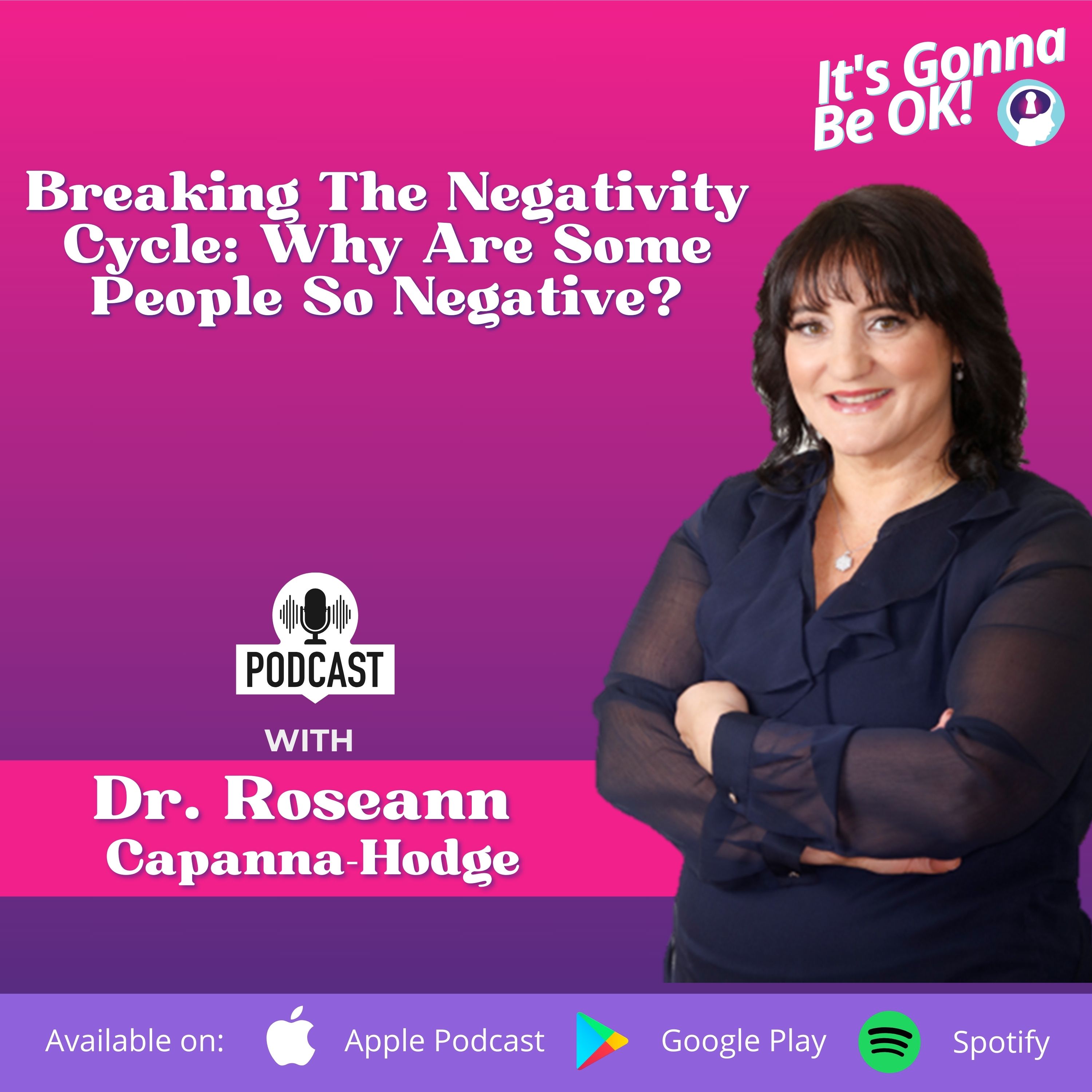
Breaking the Negativity Cycle | Nervous System Strategies | E142
Description
Break the Negativity Cycle: Helping Your Child Regulate and Thrive
If your child consistently sees the worst-case scenario or melts down over small frustrations, you’re not alone. Chronic negativity is draining, confusing, and can make everyday moments feel heavy.
In this episode, Dr. Roseann explains why negativity develops in kids, how ADHD, RSD, and stress contribute, and what parents can do to break the negativity cycle. Learn practical, science-backed strategies to calm the brain first, support regulation, and create connection and resilience.
In this episode, you’ll learn:
• why kids develop negativity bias and what it reflects
• how ADHD and Emotional Dysregulation in Children influence negative thinking
• practical brain-based tools for calming the nervous system
• how to model positivity and teach coping skills
What’s really happening in the brain
Negativity in children is rarely defiance—it’s often a sign that their nervous system is stuck in high alert.
Common contributors:
• Temperament and inherited thinking patterns
• Family communication that leans pessimistic
• Stress, anxiety, OCD, or PANS/PANDAS
• Hormonal shifts or developmental stages
Parent story:
A child spirals into “nothing ever goes right for me” after school. This isn’t dramatics—the nervous system is overwhelmed, making positivity feel impossible.
The reframe parents need
Behavior is communication.
Your child isn’t trying to be negative—they may be stuck in a pattern they don’t yet have the skills to shift.
Tips for parents:
• Share calm energy through slow breathing and gentle tone
• Use daily nervous system supports: yoga, breathwork, meditation
• Avoid “fact-fighting” when the child is negative
• Stay emotionally present, even silently, to build safety
How ADHD and RSD influence negativity
For children with ADHD, Rejection Sensitivity Dysphoria (RSD) makes small comments feel like huge criticism. About 70% of kids with ADHD experience RSD, which fuels negativity bias.
Signs of RSD-driven negativity:
• Shutting down when corrected
• Extreme reactions to minor requests
• Assuming parent anger even when calm
How to break negative thinking cycles
- Regulate first: Calm the nervous system before addressing behaviors
- Co-regulate: Model calm and use your presence to anchor your child
- Teach coping skills: Small, repeated practices over time wire the brain for resilience
- Positive modeling: Show constructive thinking and gentle responses to frustration
- Consistency: Predictable routines and repeated strategies reinforce change
Listen + Take the Next Step
If this episode helped you understand negativity in children, share it with another parent who needs guidance.
Get your FREE Regulation Rescue Kit:
<