Episode Details
Back to Episodes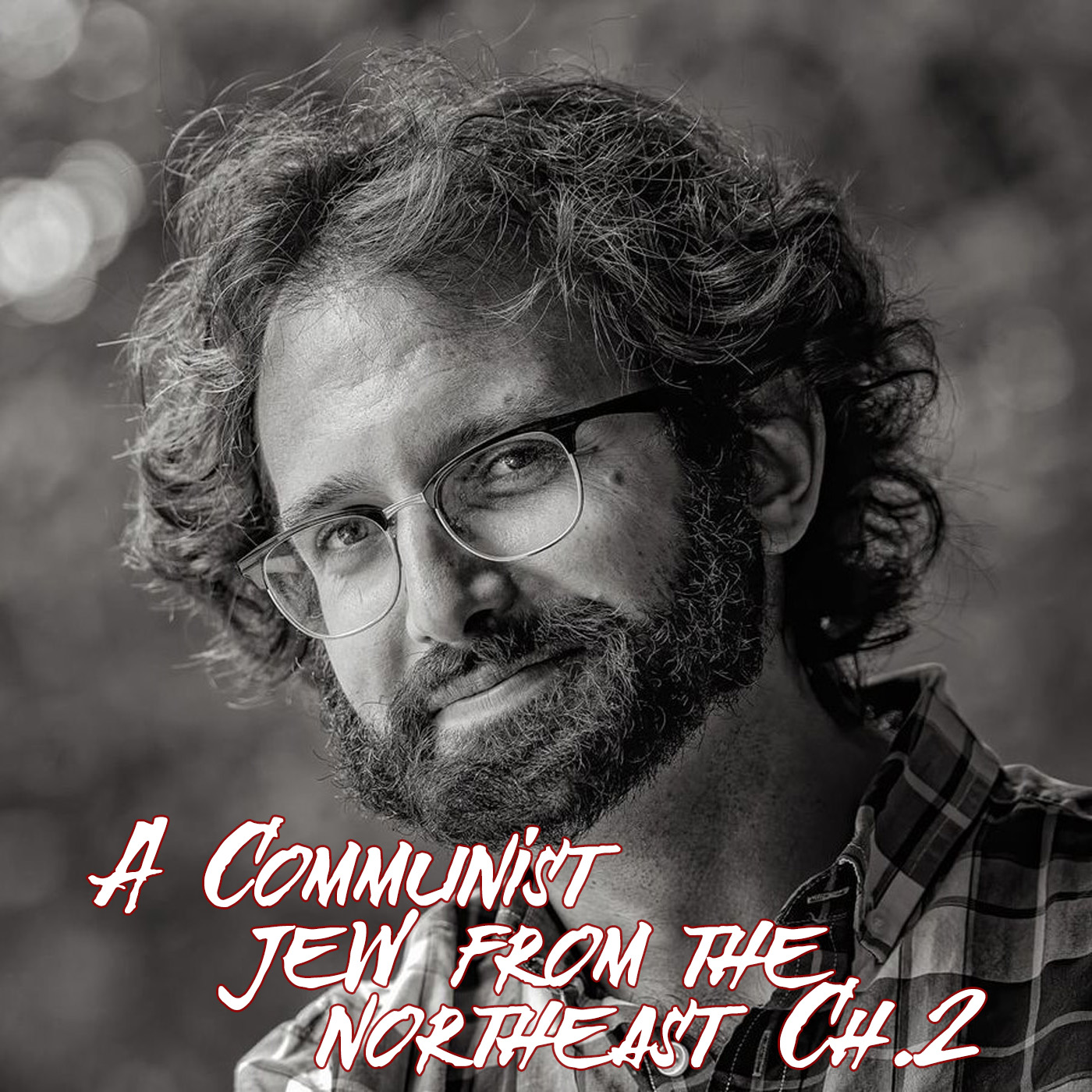
18: Cultural Organizing in Appalachia: Building Trust, Equity, and Economic Resilience – Part 2
Description
CSCW EP 18: Ben Fink – A Communist Jew from the Northeast – Chapter 2
Threshold Questions and Delicious Quotes
As a self described "communist Jew from the Northeast, what kind of hostility did you encounter in coal country?
Honestly, the most hostility I got was from some of the liberals who are like, this is our way of doing things and we have this way of doing activism, and this way of doing community development, and this way of, who we relate to and who we don't relate to and blah, blah, blah.
How can traditional hymn singing help build trust?
And, you know what I have been told that a lot of ice was broken at some of these events. When I got up in front of the room, I didn't need a mic cause I'm loud, and I was able to line out, Poor Wayfaring Stranger, or What Wonderous Love is This, ... and that became my identity to a lot of people. I was the shape note guy. I was the guy who could come in and lead a sing and, line out of him. And it just, it broke down some walls.
What is Performing Our Future?
Yeah. So, Performing Our Future began as a community-based research project to figure out how can people tell their stories, communities that have long resisted, systematic, organized exploitation, how those communities can collectively tell their own stories, connected to building their own power connected, to creating their own and do so in coalition with each other, both locally, as well as nationally.
"What is the difference between cooking and catering?"
As Gwen said, we never done cater and we just done cooking. What's the difference between catering and cooking? The difference is what our economist friend Fluney Hutchinson calls, bounded imagination. Cooking is something you do for yourself and your neighbors to survive. Catering is something that you can do to add value and create jobs.
And in this case, jobs for neighbors that were coming back from incarceration and addiction and serve in the armed forces overseas, with various kinds of trauma who were really having trouble finding other jobs.
How did culture figure in the Letcher County organizing effort?
A central building block was a play that roadside theater made alongside these folks, and with these folks, sharing their stories, developing this grip, performing in it called the future of Letcher County, which is literally people of all ages, ideologies backgrounds, debating about the political, cultural and economic future of Letcher County.
We've now performed this, actually performed in West Baltimore just before the pandemic hit. It was... I'll tell you what happened was, I heard somebody in the audience say "I didn't know, white people dealt with that stuff too "
Transcript
Ben Fink: What is a thing that this group of people likes to do together or cares about, and it's not just cares about, but also wants to make together like that act of making things together and owning what we make. It's so central to the work, because when you make something together, then you are changing that story because you now have a story of, we built this we have added to our world in a way that is deeply meaningful of both of us. From that foundation. It is really hard to dehumanize someone. You can disagree, you can be pissed. You can have all sorts of, all sorts of conflict, right?
Bill Cleveland: That was Ben Fink talking about how important the simple act of “making things together” is to creating trust in communities that have a history of being exploited and