Episode Details
Back to Episodes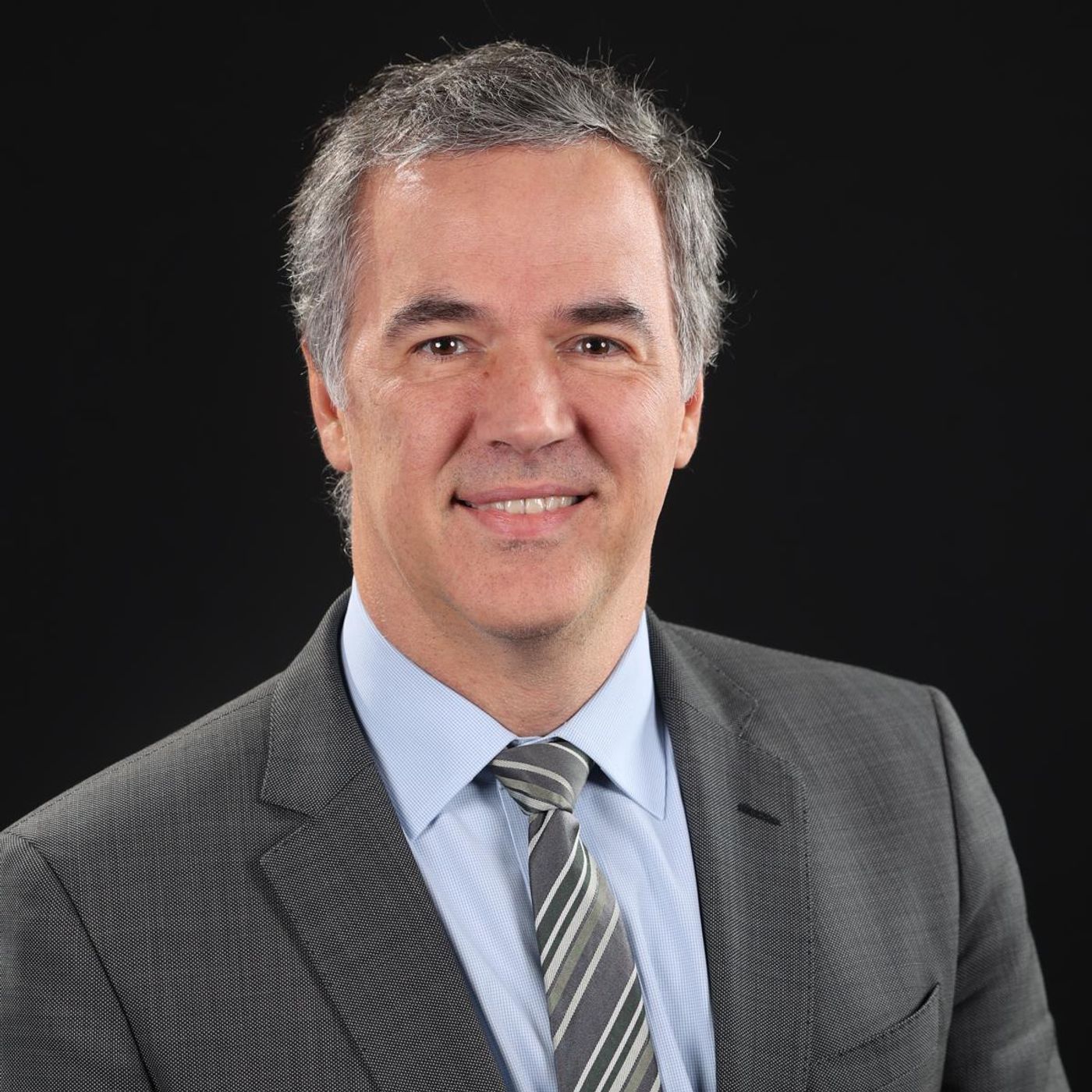
Mauro Cunha: Governance and Board Experience from Brazil.
Description
0:00 -- Intro.
1:38-- About this podcast's sponsor: The American College of Governance Counsel.
2:34 -- Start of interview.
3:13 -- Mauro's "origin story."
4:11 -- About AMEC, and his time as CEO of the organization (2012-2017). Prior, he was Chairman of IBGC (2008-2010). "My first mission as CEO of AMEC was to become the first independent director at Petrobras" (which he served from 2013 to 2015).
9:02 -- On the differences between shareholder engagement/activism in the U.S. and Brazil.
10:04 -- The corporate governance changes introduced by Novo Mercado (special listings segment created in Brazil in 2000).
11:39 -- About the Petrobras corruption scandal ("Lava Jato" or "Car Wash"). He was the first independent director in Petrobras (2013) and they elected a second independent director in 2014. "1+1 in that situation equals 4." "The board simply did the Government's bidding." "But it's all gone now, there has been a huge backlash. There is no one in jail anymore." "Just like what happened in Italy with the Clean Hands Operation, there is a political wave of acquittals." "There was a class action settlement in the U.S. for $3.5 billion (2016) and PwC settled for $50 million (2018)."
18:58 -- His joining the board of Vale (2021-2023), post Brumadinho dam disaster (2019). "I was elected to the board as part of an activist campaign, led by Capital Group."
23:28 -- On the SEC's action against Vale for greenwashing (settled in 2023 for $55.9 million). "Vale became a lightning rod and it is a rich company in a poor country and in a poor region of a poor country." "One executive of the company used the expression that was Vale is the peacock in the Favela." "[Vale] gets a lot of attention and focus and sometimes not fairly. It does some amazing things in terms of ESG." "Vale is actually an example that responsible mining is not only essential for the energy transition, but it actually can be good for the environment. But there's a lot of bad press around it."
24:40 -- His take on ESG: "ESG should not be driven by rankings, reports and ratings. It must be driven by owners."
28:50 -- On the ESG backlash. "Part of the problem has to do with the architecture of the institutional investors." "The productive way for investors to ensure that companies are doing the right thing is one-on-one engagements that