Episode Details
Back to Episodes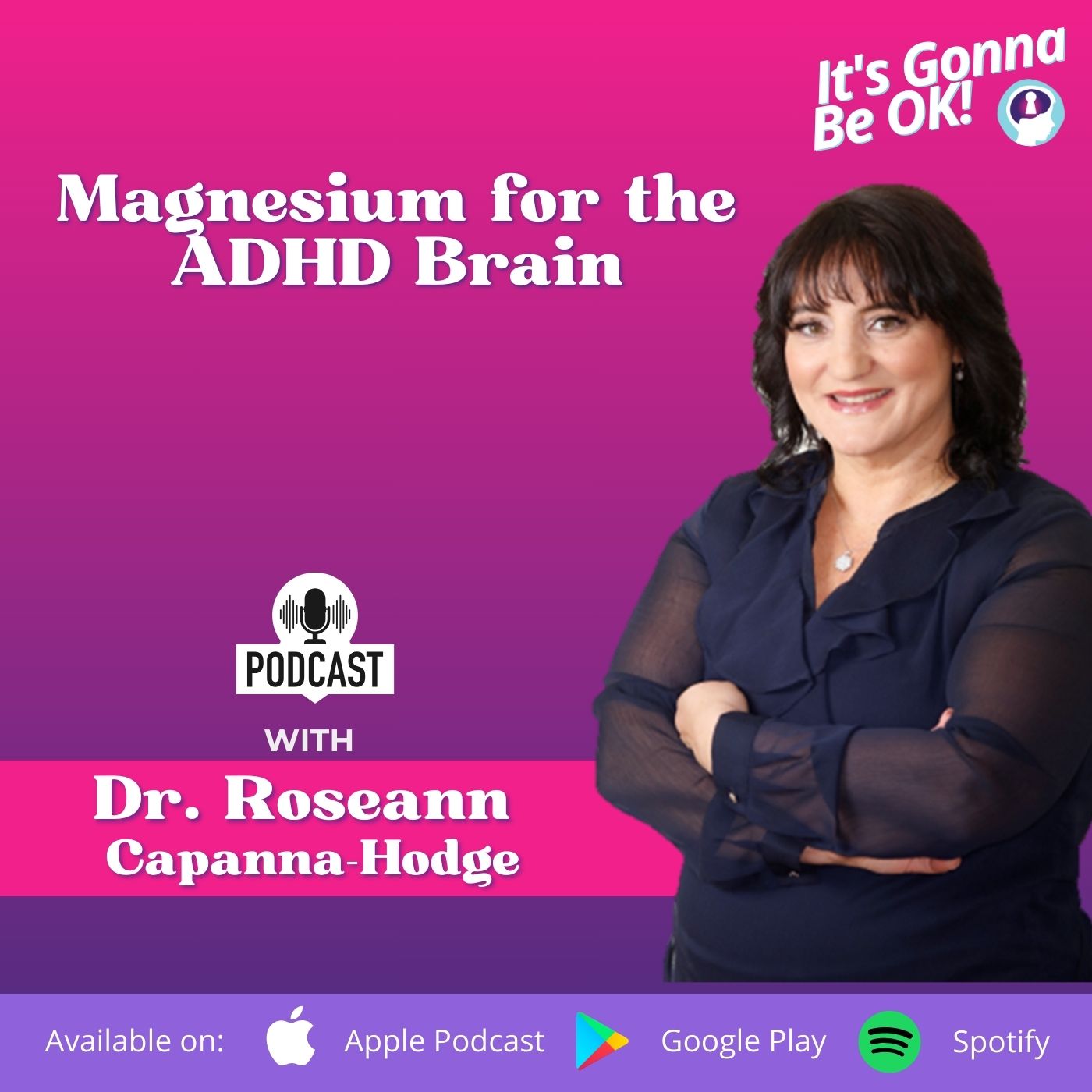
Magnesium for the ADHD Brain | Nervous System Strategies | E130
Description
Magnesium for ADHD: Calm the Brain, Improve Focus, and Reduce Impulsivity
If your child has ADHD, you know how draining the impulsivity, constant redirection, and emotional ups and downs can be. You’re not alone and many parents aren’t aware of the powerful role magnesium for ADHD plays in calming the nervous system.
In this episode, Dr. Roseann explains how magnesium supports attention, emotional regulation, sleep, and overall brain functioning. Learn why a regulated nervous system changes everything for dysregulated children.
In this episode, you’ll learn:
• How magnesium for ADHD helps regulate the nervous system
• Signs your child may have low magnesium impacting Emotional Dysregulation in Children
• The best forms of magnesium to support brain function
• How magnesium complements other therapies like neurofeedback
• Practical tips for noticing results and integrating supplements into daily routines
What’s really happening in the brain
Children with ADHD often have low serum magnesium, which impacts neurotransmitter regulation, brain excitability, and emotional control. When magnesium is low, the brain becomes more reactive and less able to focus or regulate impulses.
Key signs of low magnesium:
• Irritability or emotional reactivity
• Trouble settling down or falling asleep
• Sensitivity to noise or touch
• Increased impulsivity
Parent story:
A mom shared that after addressing her son’s magnesium deficiency, he experienced longer stretches of calm and fewer explosive reactions.
The reframe parents need
Behavior is communication.
Your child’s dysregulation is not laziness—it’s a nervous system that needs support. Magnesium for ADHD helps quiet the excitatory storm in the brain so learning and emotional regulation can actually happen.
What magnesium supports:
• Improved attention
• Reduced hyperactivity
• Less impulsive behavior
• Calmer mood and emotional regulation
Why medication alone won’t fix magnesium deficiency
Medication does not correct nutritional deficiencies. In fact, stimulants can worsen irritability or sleep issues—two areas magnesium naturally supports.
If your child has low magnesium, medication alone won’t resolve:
• Sleep difficulties
• Emotional dysregulation
• Chronic restlessness
• Aggressive or reactive behaviors
🗣️ “You can’t separate behavior from brain regulation—and magnesium is one of the most important nutrients for helping the ADHD brain calm so it can learn.” — Dr. Roseann
Which type of magnesium works best?
Not all magnesium is created equal. For the ADHD brain, choose forms that cross the blood–brain barrier and support neurotransmitter regulation:
• Magnesium L-threonate
• Magnesium glycinate
• Magnesium malate
These forms support brainwave communication and neuroplasticity, and they pair well with therapies like neurofeedback for better results.
How fast will I see changes?
Every child is different, but many parents notice improvements in:
• Falling asleep more easily
• Morning and after-school emotional regulation
• Impulsivity
• Mood st