Episode Details
Back to Episodes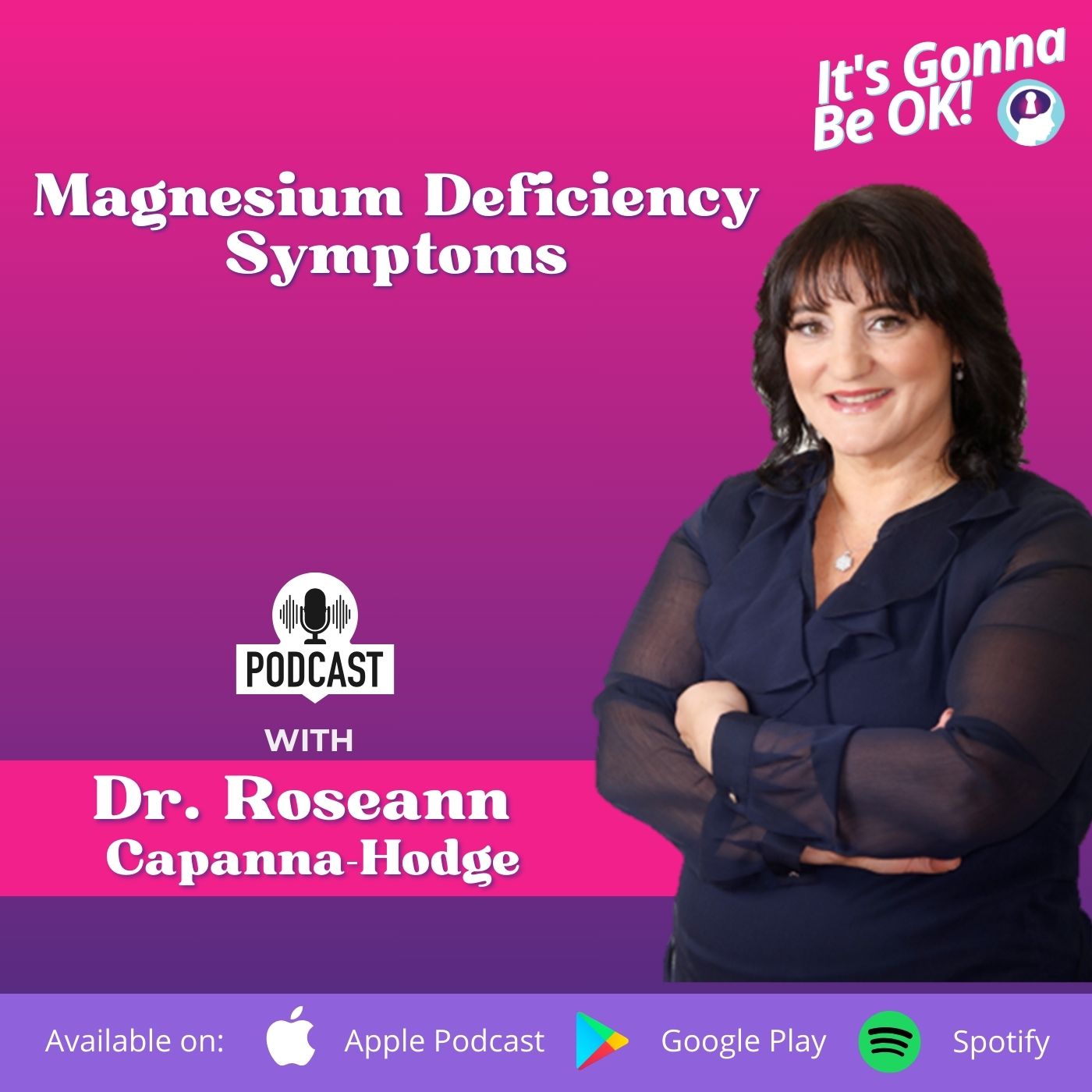
Magnesium Deficiency Symptoms | Regulation First Parenting™ | E127
Description
Magnesium Deficiency Symptoms: Supporting Your Child’s Brain, Behavior, and Nervous System
If your child is wired, tired, anxious, unfocused, or frequently melting down, you’re not imagining it—and you’re not alone. Magnesium deficiency is often an overlooked factor in nervous system dysregulation, impacting children with ADHD, anxiety, OCD, autism, and mood challenges.
In this episode, Dr. Roseann explains the symptoms of magnesium deficiency, how it affects the nervous system, and why supporting magnesium levels can improve sleep, focus, and emotional regulation. Learn how calming the brain first makes all other strategies more effective.
In this episode, you’ll learn:
• Common magnesium deficiency symptoms in children
• How magnesium impacts ADHD, anxiety, autism, and mood
• Why modern life contributes to low magnesium
• Which forms of magnesium support the brain and nervous system
• Practical, science-backed ways to support nervous system regulation
Why does my child seem anxious, restless, or “on edge”?
Low magnesium keeps the nervous system in fight-or-flight, making it hard for your child to calm down—even when they want to.
Signs parents notice:
- Anxiety, worry, or constant nervousness
- Trouble relaxing or falling asleep
- Irritability or emotional outbursts
- Restless body or racing thoughts
Parent example:
One mother noticed her son looked “hyper” all day. Once magnesium needs were addressed, his nervous system finally relaxed.
Most common magnesium deficiency symptoms in kids
Magnesium supports over 300 biochemical reactions in the body. Deficiency can show up in unexpected ways:
- Muscle cramps, growing pains, or headaches
- Constipation or poor gut motility
- Fatigue or low energy despite sleep
- Difficulty focusing or mental fog
- Increased sensory sensitivity
Behavior is communication—these symptoms are the body signaling it lacks what’s needed for regulation.
How does magnesium deficiency affect ADHD, anxiety, or autism symptoms?
Magnesium directly impacts brain signaling and neurotransmitter balance, supporting emotional regulation.
Low magnesium may contribute to:
- ADHD symptoms: impulsivity, inattention
- Anxiety and depression
- Increased nervous system reactivity in autism
- Lower overall stress tolerance
Big idea: Magnesium is not a “cure,” but a foundational support. Calm the nervous system first to allow learning, focus, and coping to improve.
Why are so many kids deficient in magnesium today?
Modern life quietly drains magnesium through:
- Chronic stress: school, social pressures, sensory overload
- Gut issues that impair absorption
- Diets low in magnesium-rich foods
- Poor soil quality and processed foods
- Inflammatory or autoimmune conditions
It’s not bad parenting—it’s a dysregulated brain in a depleted environment.
What type of magnesium is best for brain and nervous system support?
Not all magnesium supplements are the same. For brain and nervous system regulation:
- Magnesium glycinate – calming,