Podcast Episode Details
Back to Podcast Episodes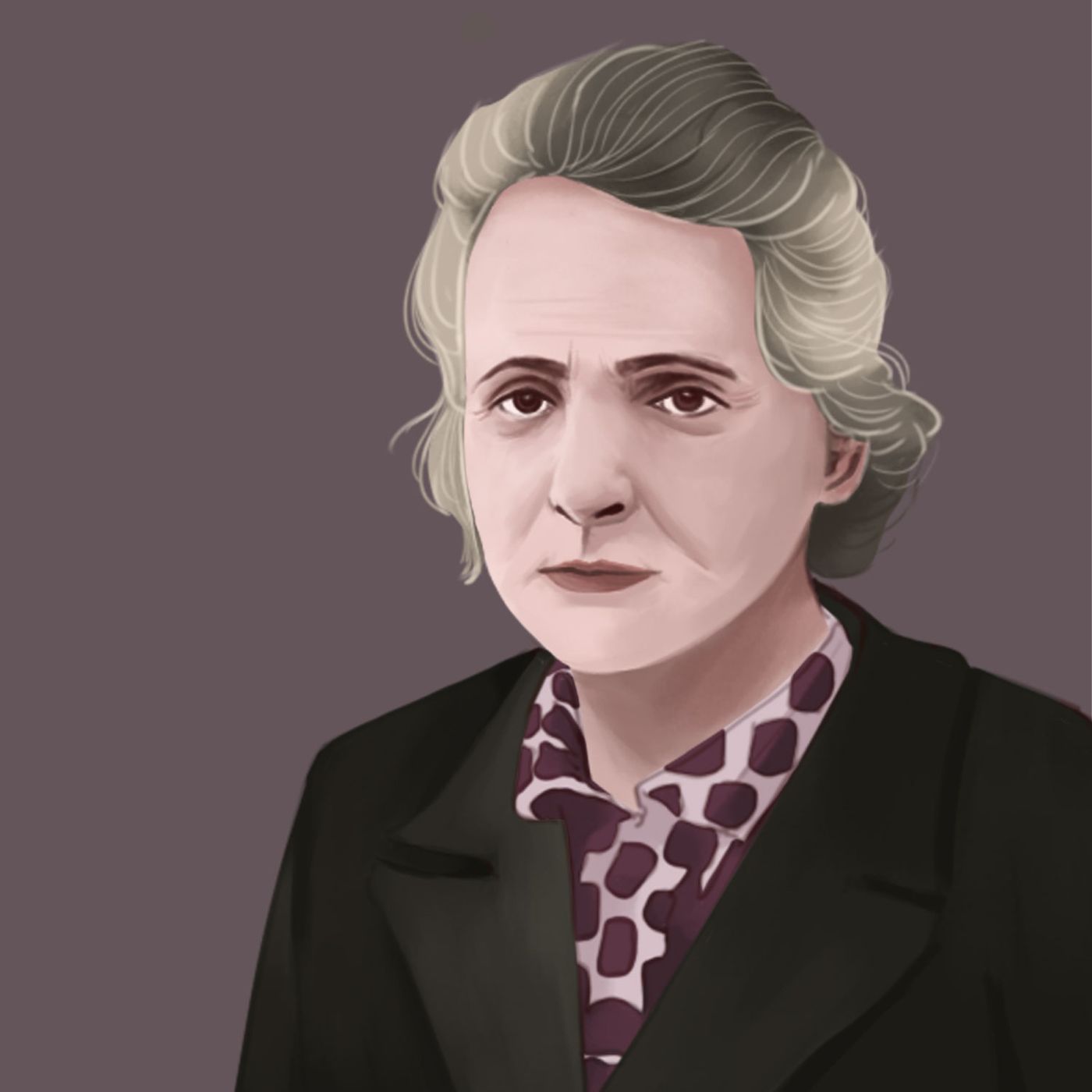
Beyond the Nobel: The Fascinating Life and Legacy of Madame Curie
Chapter 1:what is the Madame Curie about
"Madame Curie" is a biography written by Ève Curie about her mother, Marie Curie, who was a renowned scientist and the first woman to win a Nobel Prize. The book provides an intimate and detailed account of Marie Curie's life, from her childhood in Poland and her early struggles as a female student in France, to her groundbreaking research in radioactivity and the scientific discoveries that led to her receiving two Nobel Prizes.Ève Curie describes the challenges and obstacles her mother faced as a woman in a male-dominated field, highlighting her determination, intellect, and perseverance. The book also delves into Marie Curie's personal life, including her marriage to Pierre Curie, their scientific collaboration, and her grief after his tragic death.In addition to Marie Curie's scientific achievements, the biography also explores her contributions during World War I, where she developed mobile radiography units nicknamed "Little Curies" to provide X-rays to wounded soldiers. Ève Curie's portrayal of her mother offers a poignant and inspiring story of a woman who dedicated her life to advancing scientific knowledge and overcoming societal barriers.
Chapter 2:Author of the Madame Curie
Éve Curie was a French author who wrote the biography "Madame Curie" about her mother, Marie Curie. Born on December 6, 1904, in Paris, France, Curie was the youngest daughter of Marie Curie and Pierre Curie, two renowned scientists and Nobel laureates.Growing up in a household of scientists, Curie was exposed to a world of intellectual curiosity from a young age. She pursued her education and graduated with a degree in English literature and philosophy. Later, she married Henry Labouisse, an American diplomat, and they had three children together.Curie's most notable work is her biography of her mother, titled "Madame Curie," published in 1937. This book remains one of the most widely read biographies of Marie Curie, shedding light on her incredible scientific contributions and personal struggles. "Madame Curie" explores Marie Curie's groundbreaking research on radioactivity, her tireless efforts and dedication to science, and her tragic death due to her prolonged exposure to radiation.Ève Curie's biography not only showcases her mother's accomplishments but also provides a portrait of a strong and determined woman who pushed boundaries and overcame adversity in a male-dominated field. Her book introduced Marie Curie's remarkable story to a wider audience, inspiring generations of women to pursue careers in science.Aside from her work as an author, Ève Curie was also involved in humanitarian efforts. During World War II, she served as an ambulance driver and a journalist. In addition, she became a UNICEF representative, advocating for the rights of children and visiting various countries to raise awareness and support for their welfare.Ève Curie's literary and humanitarian contributions have left a lasting impact, and she is remembered as an accomplished and influential figure in her own right.
Chapter 3:why is the Madame Curie worth reading
"Madame Curie" by Ève Curie is worth reading for several reasons:
- Insight into the life and work of Marie Curie: Ève Curie provides a comprehensive and intimate portrait of her mother, Marie Curie, the first woman to win a Nobel Prize and the only person to win Nobel Prizes in two different scientific fields. The book highlights Marie Curie's groundbreaking scientific discoveries, her struggles as a woman in a male-dominated field, and her passion for her work.
- Personal and emotional n
Published on 2 years, 2 months ago