Episode Details
Back to Episodes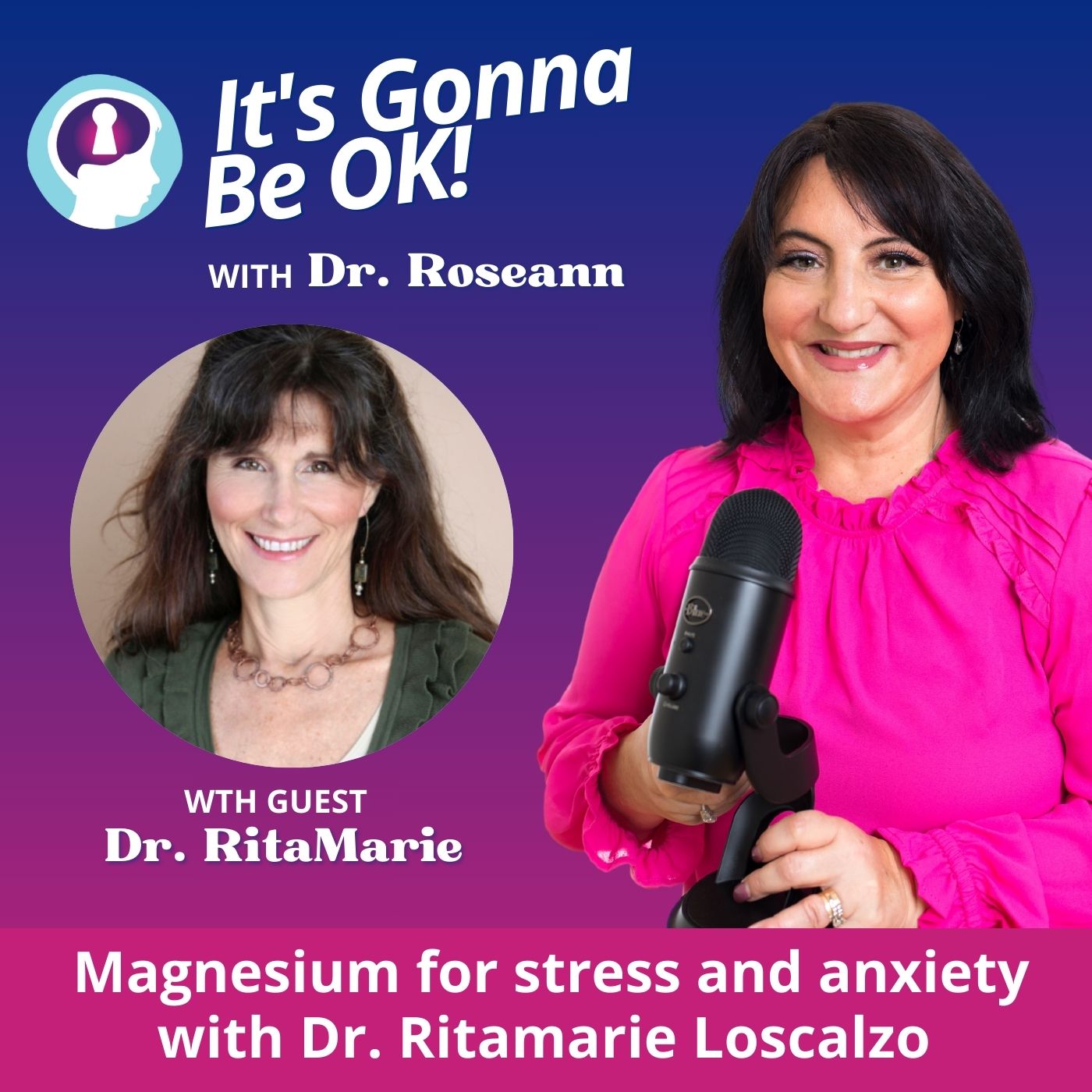
Magnesium for stress and anxiety with Dr. Ritamarie Lascalzo | Nervous System Strategies | E122
Description
Magnesium for Stress and Anxiety: Supporting Your Child’s Nervous System
If your child seems “always on edge,” can’t sleep, or melts down over small things, you’re not alone. Chronic stress impacts kids’ nervous systems just like adults and magnesium plays a key role in helping the brain calm down.
In this episode, Dr. Roseann sits down with Dr. Ritamarie Loscalzo, founder of the Institute of Nutritional Endocrinology, to explore how magnesium supports stress regulation, better sleep, and focus—especially for kids with ADHD, anxiety, or sensory challenges.
In this episode, you’ll learn:
• How magnesium for stress and anxiety helps regulate the nervous system
• Signs that stress may deplete magnesium in kids
• How magnesium impacts ADHD, anxiety, and autism symptoms
• The best food and supplement sources for magnesium
• Practical, brain-based strategies to support calm, focus, and emotional regulation
What Does Magnesium Do for Stress and Anxiety?
Magnesium is known as the “relaxation mineral” because it supports GABA production, a neurotransmitter that helps the brain feel calm and centered. When magnesium is low, the nervous system stays in fight-or-flight, making regulation difficult.
Benefits include:
• Promotes calm and emotional regulation by supporting GABA
• Helps relax muscles and improve sleep quality
• Reduces irritability, restlessness, and anxiety
• Supports focus and attention in kids with ADHD
Parent example:
If bedtime routines become a nightly battle, magnesium glycinate or magnesium with L-theanine can help your child relax and sleep more easily.
Can Stress Deplete Magnesium Levels in Kids?
Yes. Stress burns through magnesium stores, and deficiencies can make the brain more reactive—even with a healthy diet.
Key points:
• Processed foods and chronic stress reduce magnesium levels
• Genetic factors may affect absorption or utilization
• Supplementation helps rebuild reserves for calm and focus
Behavior is communication—low magnesium can show up as irritability, poor focus, or meltdown behavior. Calm the brain first to support regulation.
How Does Magnesium Help Kids with ADHD or Autism?
Many children with ADHD or autism have low magnesium levels, which can worsen hyperactivity, impulsivity, and stress responses.
Parent-observed benefits:
• Calmer transitions and fewer meltdowns
• Better concentration and learning
• More restful sleep and reduced nighttime waking
Best Magnesium Sources for Stress and Sleep
Dietary sources:
• Leafy greens (spinach, kale)
• Pumpkin seeds and almonds
• Avocados and bananas
• Dark chocolate (kid favorite!)
Supplements:
• Magnesium glycinate – promotes calm and better sleep
• Magnesium citrate – gentle on digestion
• Magnesium with L-theanine – supports relaxation
⚠️ Always consult a healthcare provider to determine the right dose. Too much magnesium can upset digestion or create imbalances.
🗣️ “Stress burns through our