Episode Details
Back to Episodes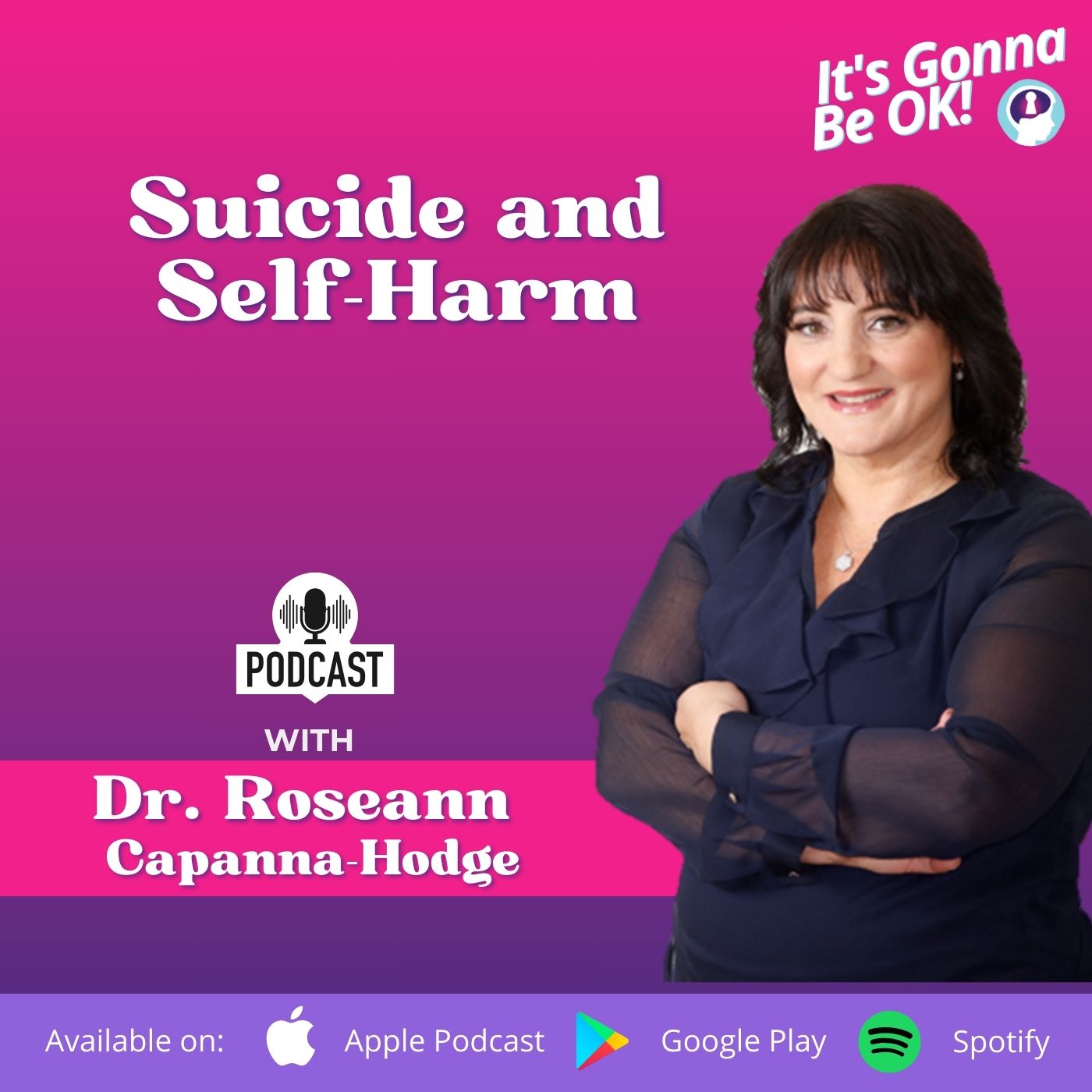
Suicide and Self-Harm | Emotional Dysregulation in Children | E121
Description
Suicide and Self-Harm: Recognizing Risk and Taking Action
When your child is hurting, your nervous system goes into overdrive, too. You’re not alone and it’s gonna be OK.
In this episode, Dr. Roseann explains the difference between suicide and self-harm, the red flags parents often miss, and the exact steps to take if you’re worried. Behavior is communication; calming the brain first allows you to respond with clarity, safety, and compassion.
In this episode, you’ll learn:
• The difference between self-harm and suicidal ideation
• Common triggers and risk factors in teens
• Steps to respond if your child hints at self-harm or suicide
• How to build coping skills and regulation tools for emotional safety
How do I know if my child’s self-harm is a suicide risk?
Self-harm is intentionally hurting oneself without the intent to die (cutting, burning, hitting). Suicidal ideation or behaviors involve thoughts of or attempts to end life. Both indicate emotional pain and need support.
Look for:
• New injuries, secrecy, withdrawal
• Sleep or appetite changes
• Statements like “I can’t do this anymore”
Act fast: Any mention of wanting to die needs immediate evaluation.
Parent example:
A teen starts wearing long sleeves in the heat and avoids friends. Combined with mood dips, this signals the need for urgent mental health support.
What events can spike suicide and self-harm risk in teens?
- Breakups or relationship stress
- Bullying or peer rejection
- Exposure to a peer’s suicide
Support your child by:
• Increasing supervision
• Keeping routines steady
• Inviting low-pressure connection, e.g., walks or car rides
Parent scenario:
After a breakup, a teen stops eating with the family. Adding nightly walks and a “feelings check” scale helps monitor emotional shifts.
What should I do if my child hints at suicide?
Take every statement seriously, whether passive (“They’d be better off without me”) or direct.
Immediate steps:
• Stay calm and present—co-regulate, don’t confront
• Ask directly: “Are you thinking about hurting yourself?”
• Remove means of self-harm: medications, sharps, ligatures
• Call for help: mental health professional, suicide hotline at 1-800-273-5855, or emergency services if immediate danger exists
• Follow up daily and keep appointments
Is self-harm “attention-seeking” or a coping strategy gone wrong?
Self-harm often functions as a maladaptive coping tool for emotional overload—not manipulation.
How to respond:
• Reframe: “My child is showing me how overwhelmed they are.”
• Teach regulation first: breathing, sensory input, movement, and calm scripts
• Build safety language: “When your feelings hit 9 or 10, pause, breathe, and text me ‘RED’”
Listen + Take the Next Step
Join the Dysregulation Insider VIP list and get your FREE Regulation Rescue Kit, designed to help you handle oppositional behaviors without losing it:
👉 www.drroseann.com/newsletter