Episode Details
Back to Episodes
Special Episode - Disney's Hercules (1997)
Description
This may be the best podcast episode you’ve ever heard, and that’s the gospel truth. We’re munching on protein bars and raw chicken as we discuss Disney’s Hercules (1997) with Professor Alastair Blanshard.
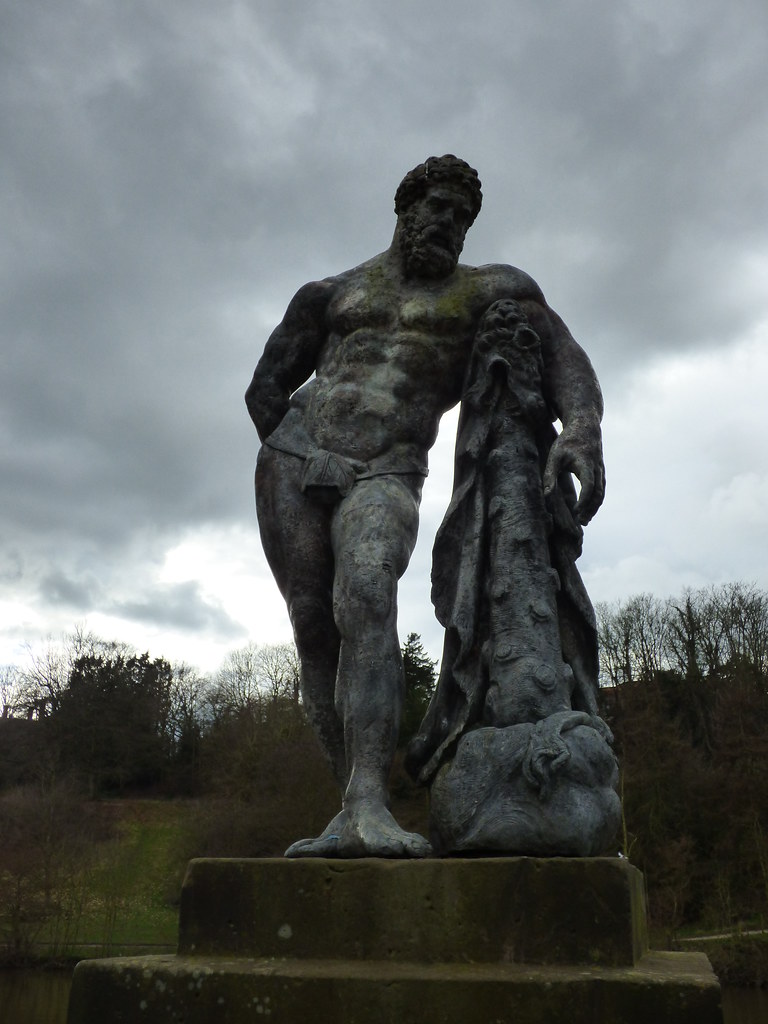
Statue of Hercules in Shrewsbury – a copy of the Farnese Hercules. Hercules leans wearily on his club, which is covered by his lionskin. Carrying out all these labours is hard work! Courtesy of Elliot Brown on Flickr.
Professor Blanshard literally wrote the book on Hercules, as well as several chapters on his representation in film. We are so lucky to have him on our show as he is not just a gigantic Hercules fanboy. He is currently the Paul Eliadis Chair of Classics and Ancient History at The University of Queensland and one of the most hilarious historians you will ever meet.
The Birth of Hercules
Disney’s Hercules came out during one of the most successful animated movie streaks for the studio. However, the film was a little different to the Disney Princess films such as Beauty and the Beast and The Little Mermaid. It was also pitched at a slightly older, male audience, and used the story of Hercules to explore the awkward journey from adolescence to manhood.
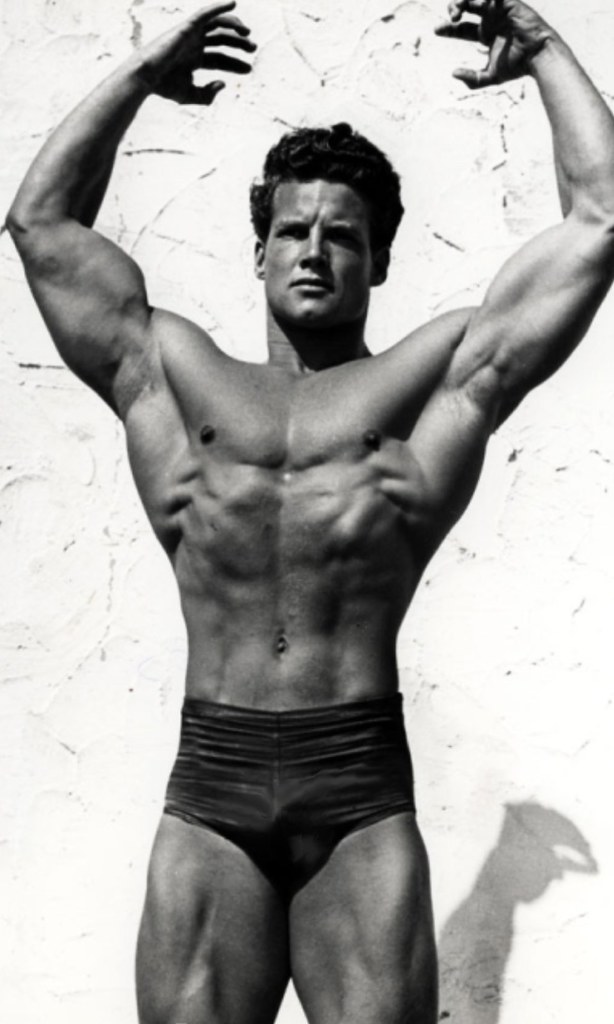
As people have learnt about muscle development and nutrition has changed, Hercules has often been played by bodybuilders like Steeve Reeves and more recently Dwayne ‘The Rock' Johnson. Image of Steeve Reeves, courtesy of John Irving on Flickr.
Disney does not always provide the most faithful representation of Hercules’ story. How do you turn a myth about a serial murderer, a drunkard and a glutton into an exploration of what it means to be a true hero? Never you fear – Disney has all the answers!
This film blends stories of Hercules, such as his strangling of the snakes as a baby and the Twelve Labours, with so many other elements from contemporary American society. Whilst Hercules was not quite as successful as other Disney movies of this era, there is a lot to love about this representation.
The Greeks were not afraid t