Episode Details
Back to Episodes179. How Can Great Stories Show ‘Real’ Men vs. Good Men?
Published 2 years, 10 months ago
Description
“Hey there, pilgrim. Welcome to the world of the Real Man.[1. Photo by Saman Rashidi on Unsplash.] We’re hard-livin’, hard-drinkin’, gray-area kinds of scallywags. We ride fast horses an’ drive faster cars. We got eleventeen girlfriends and one on the side. Sometimes we even shoot folk with guns and abandon our families and never cry or get diseases and we don’t ask folks nicely for nothin’. Ya wanna know why? It’s cuz we’s Real Men.” And now, inspired by Nancy R. Pearcey’s new book The Toxic War on Masculinity, we shall compare this notion of the “Real Man” with the good men in fantastical stories, and especially the best Hero of all.
Subscribe to Lorehaven
middle grade • teens + YA • adults • onscreen • author resources • gifts • guild
Episode sponsors
- Enclave Publishing: The Eternity Gate by Katherine Briggs
- The Pop Culture Parent by Ted Turnau, E. Stephen Burnett, and Dr. Jared Moore
- The Lorehaven Guild
Concession stand
- I am but one man, and can’t speak to all issues involving sex differences.
- But lately I’ve been noticing “Real” Men vs. Good Men in fantastical tales.
- Like my solo shows, this one feels more personal, with favorite examples.
- For all the disclaimers about “toxic masculinity,” Pearcey handles those.
- She’s not here today, but I daresay her book speaks to most questions!
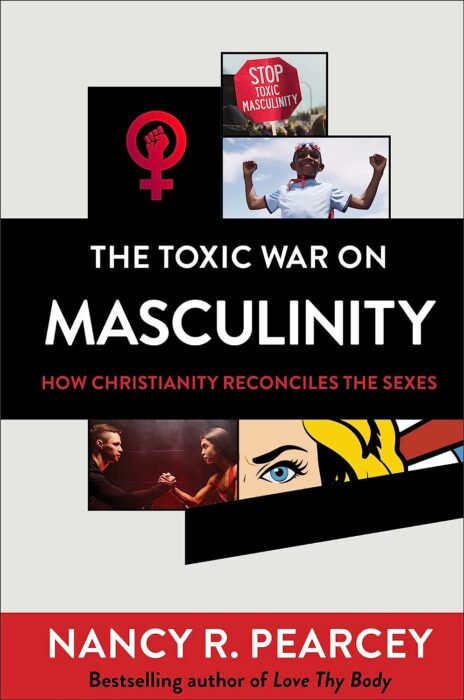 1. Expose our stories’ toxically masculine ‘Real’ Men
- In The Toxic War…, Pearcey traces how society has portrayed men.
- American culture shifted from pioneers/Puritans to industrial workers.
- This often separated men in “the world” from their families at home.
- People began to think that women were spiritual and men were crass.
- Then we got overcorrections: men ought to be “wild” or “barbarian.”
- Pearcey points to the first Western ever written: The Virginian (1902).
- It “laid out the pattern that would be followed by all other Westerns.”
- Loners, gunmen, cowboys, outlaws, and/or lawmen become