Episode Details
Back to Episodes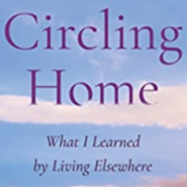
Expats Raising a Family in Africa with Terry Repak author of Circling Home
Description
Terry Repak has written an expat memoir, Circling Home: What I Learned by Living Elsewhere.
Candid, thoughtful, and instructive, Circling Home explores the notion of “home” and how our bonds with people from other countries and cultures can profoundly change us.
When Terry Repak and her husband moved to West Africa with two small children at the height of the AIDS epidemic in the 1990s, she seized the opportunity to connect with people of other cultures and bear witness to the ravages of the disease. Circling Home chronicles the adventures and challenges of raising children to be global citizens and trying to find a home in countries as diverse as Cote d'Ivoire, Tanzania, and Switzerland. Her memoir spotlights the complexity, struggles, and profound lessons at the heart of the expat journey.
I ask her:
- Which countries have you lived in?
- What were the hardest lessons to learn?
- What are the pros and cons of raising kids abroad?
- What tips do you have for living overseas?
- What surprised you about Africa?
- Any regrets?
- Who should we read your book?
Watch the YouTube Video
Podcast
HIV/AIDS Transmission
At the 4:45 mark of the show, I said, "You could have sex hundreds of times with an HIV-positive person and not get HIV."
That sounds like misinformation. Few know this dirty little secret. However, Perplexity.ai (a ChatGPT variant) and Terry's husband (who specializes in HIV) agreed with me.
Perplexity generated:
The odds of HIV transmission can vary depending on the type of sexual activity and other factors. Here are some estimates of the risk of HIV transmission per exposure:
1. **Vaginal Sex**:
- Female-to-male transmission: Approximately 0.04% (1 in 2380) [6].
- Male-to-female transmission: Approximately 0.08% (1 in 1234) [6].
2. **Anal Sex**:
- Receptive anal sex (receiving partner): Approximately 0.82% (1 in 122) [1].
- Insertive anal sex (inserting partner): Approximately 0.06% (1 in 1666) [1].
3. **Oral Sex**:
- Receptive oral sex (receiving partner): Very low risk, but not zero[3].
- Insertive oral sex (inserting partner): Very low risk, but not zero[3].
It is important to note that these estimates are based on averages and can vary depending on individual factors such as viral load, presence of other sexually transmitted infections (STIs), and use of preventive measures like condoms and pre-exposure prophylaxis (PrEP) [6]. Additionally, the risk of transmission can be higher during acute HIV infection or if there are open sores or bleeding gums[2].
It is always recommended to practice safe sex by using condoms consistently and correctly, getting tested regularly for HIV and other STIs, and discussing HIV prevention options with a healthcare provider[6].
Citations:
[1] https://www.everydayhealth.com/hs/preventing-hiv/odds-hiv-transmission-rank/
[2] https://stanfordhealthcare.org/medical-conditions/sexual-and-reproductive-health/hiv-aids/causes/risk-of-exposure.html
[3] https://www.ihv.org/news/2022-News/TheBody-What-Are-the-Chances-of-Getting-HIV-from-One-