Episode Details
Back to Episodes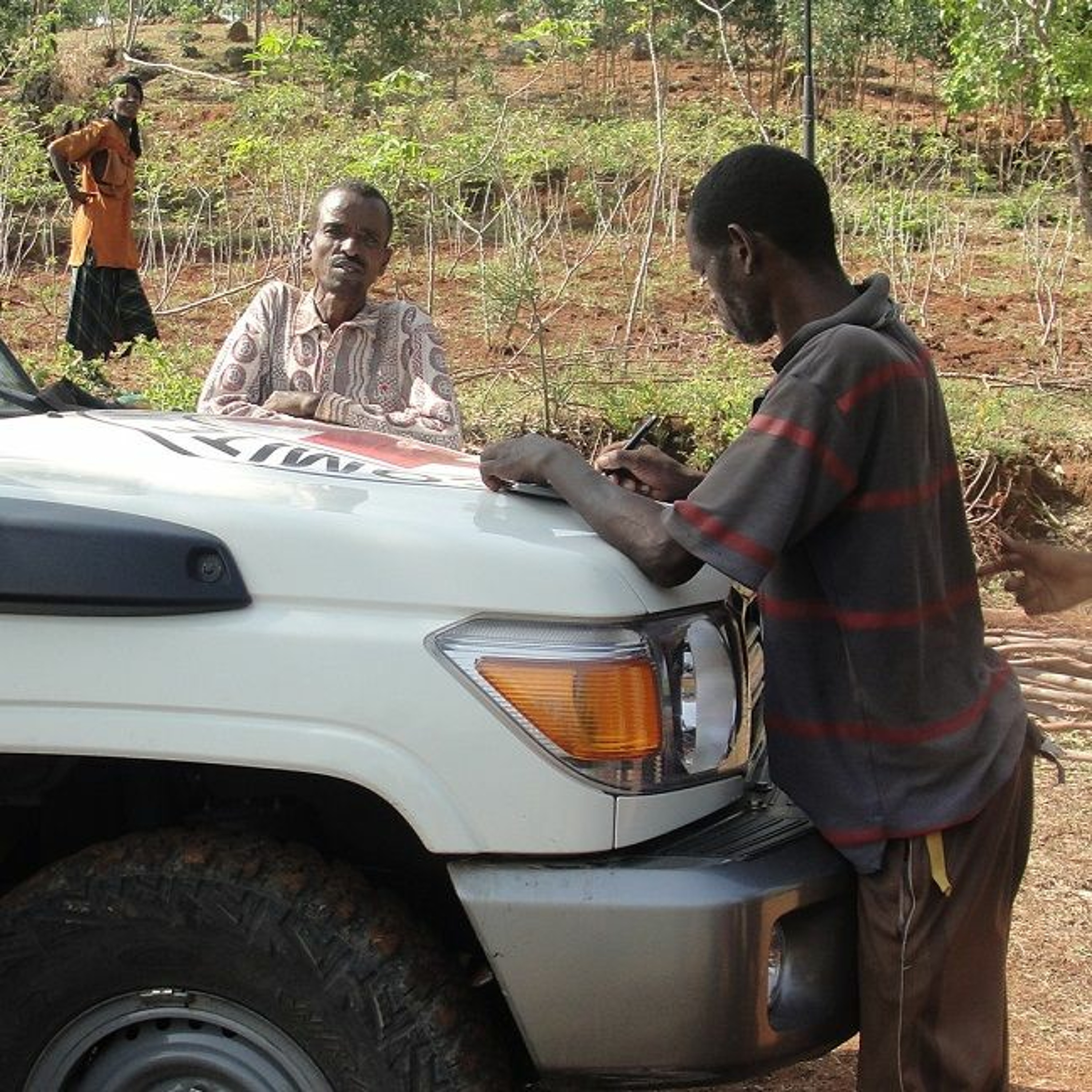
Navigating dilemmas in people-centric humanitarian action
Published 3 years ago
Description
There is now a general consensus that being accountable to people affected by conflict and their inclusion in programming is both a moral and ethical imperative for humanitarian actors and that it enhances the impact and relevance of the response. Humanitarian practitioners successfully approach the practice of accountability to affected people through the logic of a program cycle: involving communities in the assessment phase and respecting their wishes in the implementation phase leads to people-centric programming. Such approaches, however, as important as they are, hide many tensions and dilemmas inherent in humanitarian response, especially in conflict settings and protection interventions.
In this post, Indu Nepal, ICRC’s Deputy Head of Accountability to Affected People, and Natalie Klein-Kelly, ICRC’s Transformation Programme Manager for the Central Tracing Agency, share their reflections from putting accountability to affected people in practice and the dilemmas faced by humanitarian actors ahead of a larger discussion due to take place on 12th – 14th September 2023, People-centric humanitarian response in conflict: strategies, insights and dilemmas.