Episode Details
Back to Episodes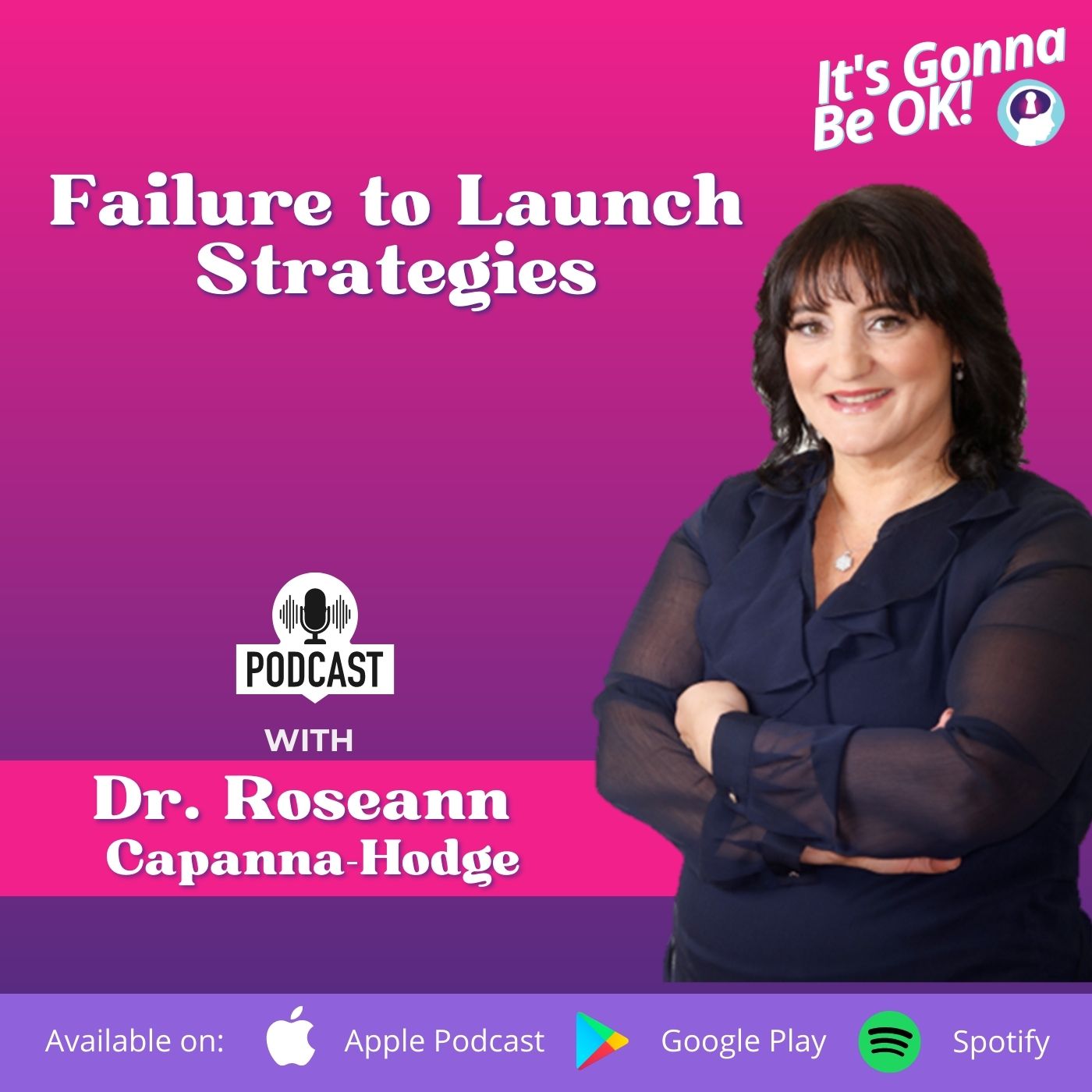
Strategies for Failure to Launch Syndrome | Nervous System Strategies | E111
Description
Strategies for Failure to Launch Syndrome: Helping Young Adults Move Forward
If your young adult is stuck—living at home, overwhelmed, and unable to take the next step—you’re not alone, and it’s gonna be okay. Failure to launch isn’t laziness; it’s almost always rooted in an unaddressed mental health, nervous system, or executive function issue.
In this episode, Dr. Roseann breaks down why kids get frozen, how dysregulation drives avoidance, and the brain-based strategies that help young adults finally move forward with confidence and independence.
In this episode, you’ll learn:
• how mental health and executive functioning contribute to failure to launch
• why rescuing your child may unintentionally reinforce avoidance
• practical, brain-based strategies to help young adults move forward
• how nervous system regulation supports motivation, planning, and confidence
How do I know what’s really causing my child to be stuck?
The first step is identifying the root issue, not just the surface behavior. Hiding in the basement or avoiding responsibilities is a symptom, not the cause. Common contributors include:
• Anxiety
• Depression
• OCD
• Executive functioning challenges
• Autism
• PANS/PANDAS
Look under the hood:
• Assess mental health and developmental readiness, not age
• Watch for patterns like school refusal, panic, or social withdrawal
Parent story:
A young man attempted college four times before the real problem—untreated anxiety—was uncovered. Once his brain was regulated, everything shifted.
Why does mental health make launching feel impossible?
When the nervous system is stuck in fight, flight, or freeze, your young adult literally can’t access the parts of the brain that initiate, plan, and follow through.
• Anxiety shuts down initiation and decision-making
• Depression kills motivation and hope
• Executive dysfunction disrupts follow-through and organization
• Autism creates overwhelm with transitions, independence, and social demands
Am I helping or accidentally enabling the stuckness?
Parents often wonder if they’re making things worse by trying to help. You’re not failing—you’re trying to protect your child. But rescuing them from discomfort can unintentionally reinforce avoidance.
To support without enabling:
• Set clear expectations and boundaries
• Don’t accommodate anxiety or OCD-driven avoidance
• Model calm and hold firm without anger
• Give opportunities for small wins, not giant leaps
🗣️ “You can share your anger or you can share your calm—it’s up to you. But only calm moves a stuck brain forward.” — Dr. Roseann
Practical strategies that help a stuck young adult move forward
Brain-based, compassionate support makes all the difference. Focus on:
- Regulation first – neurofeedback, structure, healthy routines, and decreased stress
- Communication – keep the door open, reduce nagging, and stay emotionally present
- Skill-building – executive functioning supports, therapy, and gradual independence tasks
Listen Now
Love PodBriefly?
If you like Podbriefly.com, please consider donating to support the ongoing development.
Support Us