Episode Details
Back to Episodes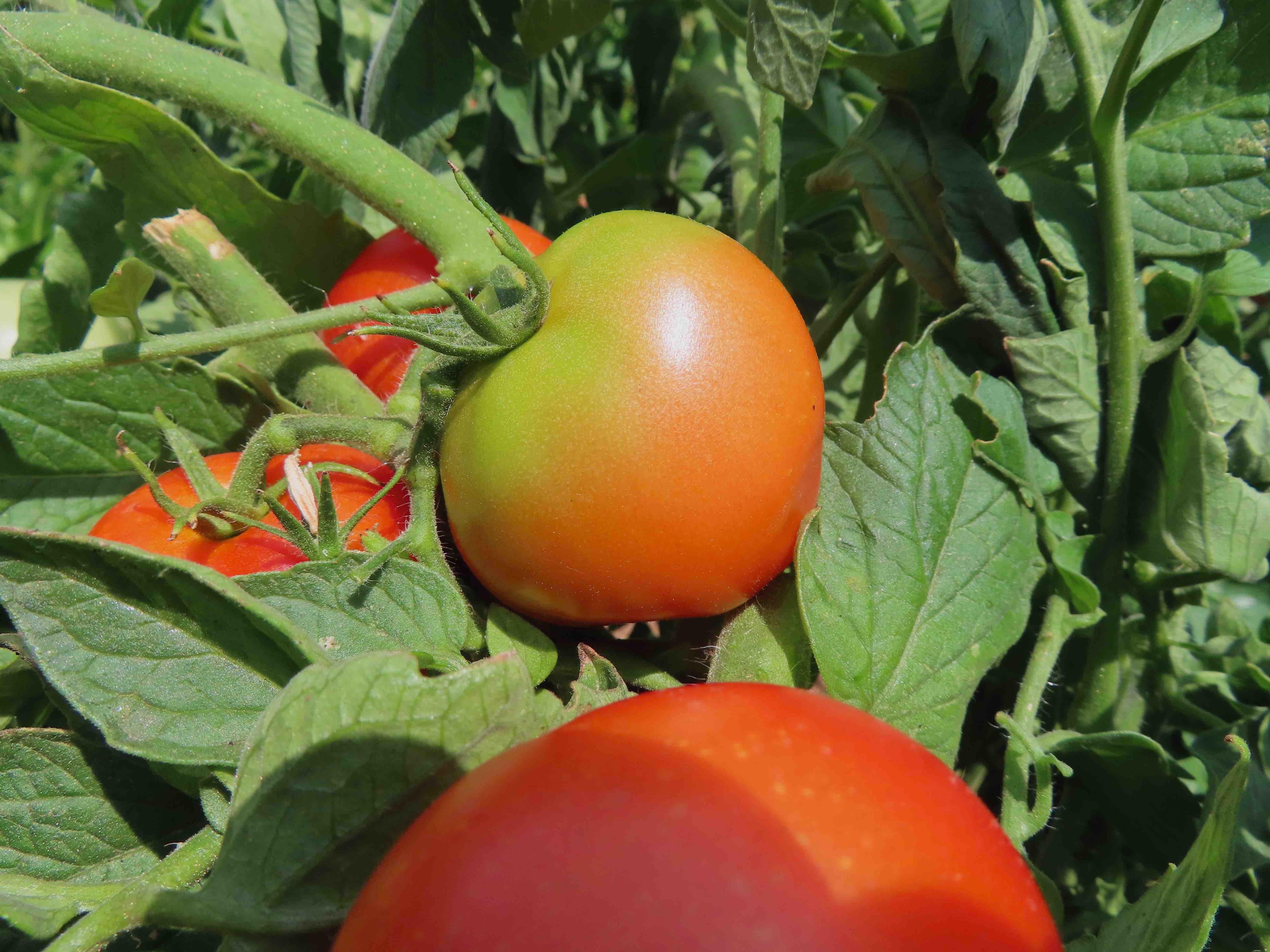
Tomatoes Not Ripening? Blame the Heat.
Description
Back in July, we discussed “Six Common Tomato Problems.” Among those maladies were abiotic disorders (problems that are caused by factors such as weather, soils, chemicals, mechanical injuries, or cultural practices; and, not caused by insects or disease). Tomato abiotic disorders include blossom end rot, fruit cracking, leaf rolling, solar yellowing, sunburn, and tomato flower drop…all related to weather or watering issues.
In that column, I mentioned we would tackle an annual tomato-related issue, tomato worms, in a future edition. Well, here it is, in the podcast, above. America’s Favorite Retired College Horticulture Professor, Debbie Flower, waxes rhapsodic about the three “worms” (caterpillars, really) that can damage your tomato plants: Tomato/Tobacco hornworm, tomato fruit worm, and tomato pinworm, along with the moths that laid those eggs. She reassures us that nature has supplied us with plenty of “good guys” to help control these munchers and burrowers. Links that are listed in the notes for that podcast include: descriptions of tomato hornworm, fruit worm, and pinworm; and two posts from the Farmer Fred Rant blog, “Plants that Attract Beneficial Insects”; and, “The Good Bug Hotel”.
Today’s Beyond the Garden Basics newsletter tackles another abiotic disorder: tomatoes that are slow to ripen because of heat spikes this summer. And who hasn’t suffered through that this year? (Put your hand down, San Francisco.)
Why Are My Tomatoes Slow to Ripen?
From the garden e-mail bag, Vinnie asks: “My tomatoes are very slow to turn from orange to red, and several have yellowing as my bushes are not as leafy as I would like. They also are rather firm, though the plants have done well up to this point, with a decent amount of fruit as well as setting new tomatoes higher up on the plant. My “Sweet Million” cherry tomatoes also are having difficulty turning red, the same with the “Early Girl” and “Champion” full-size tomatoes. I planted the tomatoes in mid-April. They only get about six to eight hours of direct sun, depending on the season. But it seems I’ve had tomatoes for weeks at the same state of not turning fully red in color, so I was a little curious and disappointed in that. The plants are healthy, but not very bushy.”
You are not alone, Vinnie. Many area gardeners are wondering about the lack of color of their tomatoes now, in late summer. Blame the triple-digit heat spikes that have occurred coast to coast for the slowdown this summer.
Researchers from across the country have studied the effect of excess heat on ripening tomatoes. Their consensus: don’t worry, be happy. Those tomatoes will still be edible. And if you want to speed up the ripening process, harvest those tomatoes that are beginning to show color before the next forecast triple digit heatwave hits. Let them ripen indoors, in a dark place on the kitchen counter.
However, too much shade or lack of foliage on outdoor plants can also impede ripening tomatoes.
The University of California’s Contra Costa County Master Gardeners Newsletter says:
“A key resource that tomatoes need for ripening is plenty of leaf surface for photosynthesis. Often by late summer, some of the leaves on the tomato have started to dry up and wither and are no longer helping to nourish the plant. The plant is less vigorous than it was earlier in the season, so it takes longer for the green tomatoes to ripen. If you've run out of patience with slow ripening tomatoes, one thing you can do to speed up ripening is to remove some of the green tomatoes. Then the tomato plant can put all its energy into ripening the tomatoes that remain on the plant.
“Soil temperatures are also important. For optimal growth, tomatoes need soil temperatures