Episode Details
Back to Episodes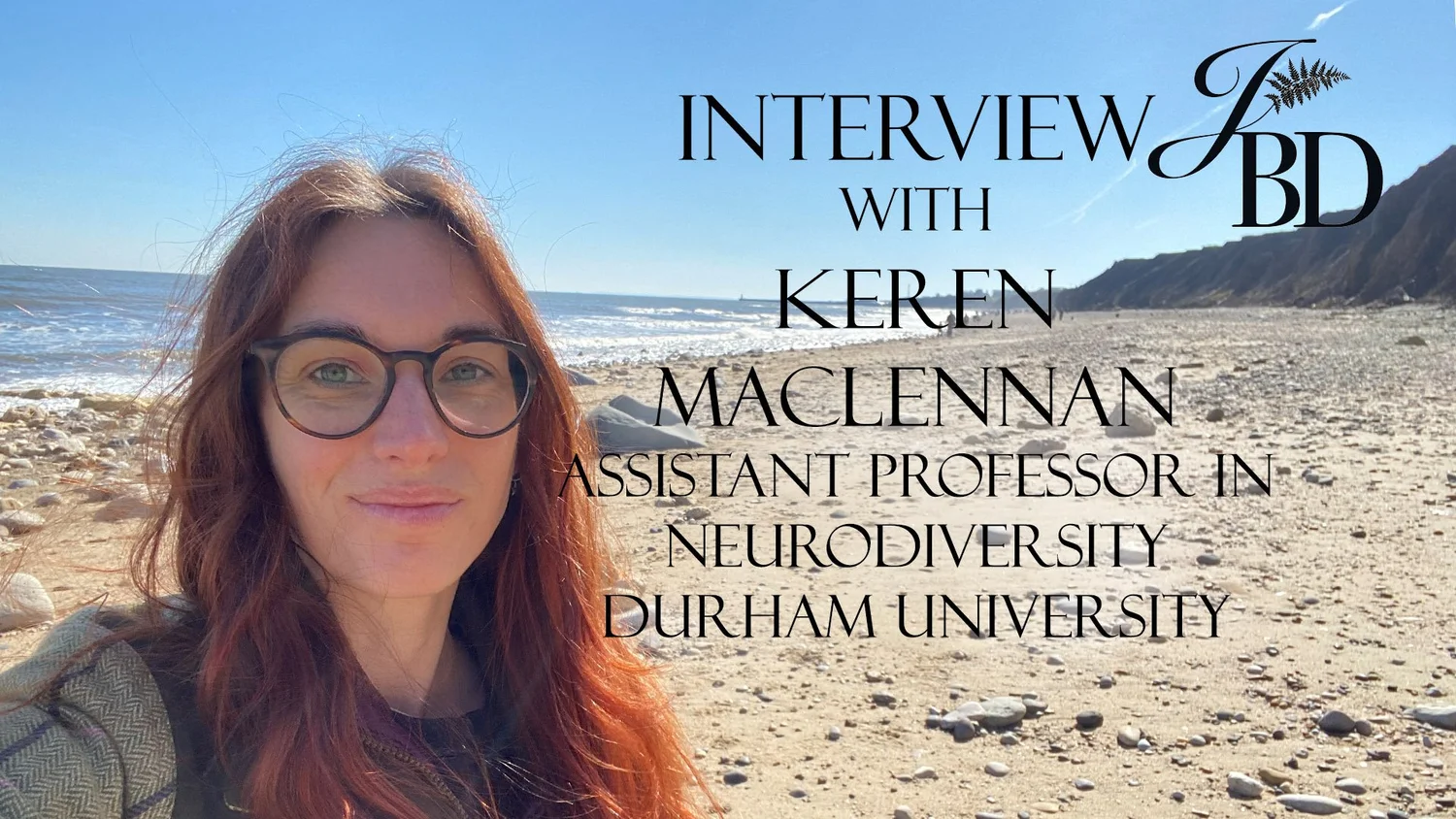
Sensory Reactivity
Description
When we design spaces, we need to consider how beautiful a place looks, how useful it is, is it fit for function and so on. We should also consider how the sensory elements of the space also stack up. In other podcasts and also in the Journal itself, we look at how our senses are impacted by sound, light, smell, even the haptic elements (those things we touch), smell (is the air fresh and clear) and many other things. All of us are affected by the impact our environment has on our senses, some of us more than others.
In this episode, we speak with Dr Keren MacLennan, Assistant Professor in Neurodiversity in the Department of Psychology, Durham University. Her research focusses on understanding how autistic people’s sensory processing differences relate to their mental health and experiences of different environments. She is co-producing research to support mental wellbeing to make environments more enabling for autistic individuals.
We walk about how we all process sensory experience slightly differently, and how those of us who are neurodiverse might find certain sensory environments really challenging.
So what is Sensory Reactivity? Where ‘Sensory Processing’ looks at what’s happening actually inside the brain, ‘Sensory Reactivity’ looks at people’s reactions to the space, and therefore we can then make inferences about what’s going on in the brain itself.
Keren talks about ‘Sensory hyper-reactivity’ where people might react more strongly to sounds, taste, touch, who might find some as overwhelming or painful. From this negative response we can infer that something is processing differently in the brain than others might process it.
In her research autistic people shared that a lot of environments are disabling because of the sensory input. If you think about public transport, healthcare, restaurants, supermarkets, these can be heavy sensory burdensome environments. The Sensory landscapes in those places are challenging, lots of sounds, people, smells, lights, colours. It is important to design with the people who are using it in mind. In cities we can reduce sound and cacophony, creating zones and spaces for people to take a moment, to take a break and recover. If we look at the spatial design avoiding having just enclosed spaces, include also open spaces so people aren’t going to get funnelled through.
There is a high prevalence of sensory sensitivity among autistic people, but it also prevalent among people with ADHD as well as PTSD, OCD or who are experiencing anxiety. For instance someone who is anxious is in a state of fight or flight all the time, and therefore might over process their environment, and so might react to the various stimuli in a similar way.
How can we bring in Biophilic Design to support neurodiversity and autistic people? 22 mins
Listen Now
Love PodBriefly?
If you like Podbriefly.com, please consider donating to support the ongoing development.
Support Us