Episode Details
Back to Episodes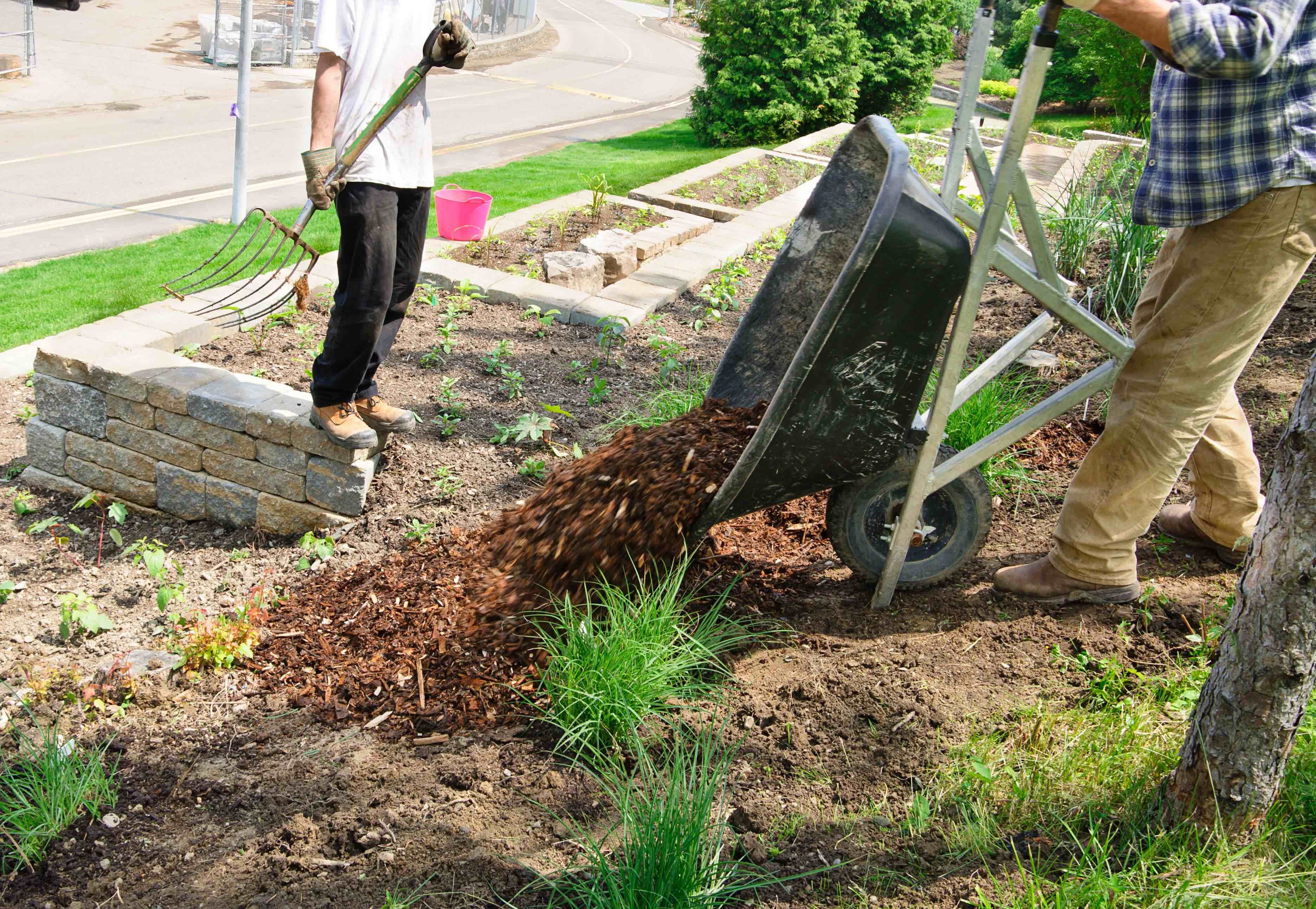
More Hot Weather Garden Tips
Description
In today’s Beyond the Garden Basics Newsletter podcast (above), Debbie Flower and I tackle a question from Liz, who asks: “I just purchased from the local nursery, a lavender plant and also a sage. I'm sorry, I don't know the exact name. But they're common. The plants were in pots. Each plant is about one foot tall. I already planted them in the yard early yesterday morning. They were fine all day yesterday. Everything was moist, the soil was prepped. Today is 100 degree weather. They are not looking like they're happy campers. So I'm wondering about these drought tolerant plants. I don't want to overwater them. Is this wilting natural, or should I be doing something else?”
We have tips for Liz. Tip #1:
Heat Protection for Your Plants
Bursts of triple-digit temperatures are occurring across the United States this summer, lasting anywhere from a couple of days in a row, to weeks on end (hello, Phoenix!). However, even for short periods, the combination of too much bright sun, too much heat and not enough water are enough to vex the garden as well as the most experienced gardeners when they encounter sickly-looking plants this time of year.
First of all, take care of yourself in the heat. Work early in the morning in the sunny areas, work in the shade in late mornings, then wrap things up for the day (if possible). Wear sun protection and take plenty of water breaks.
According to the garden experts at the University of California’s Agriculture and Natural Resources Division, here are four quick and easy ways to help make sure your perennials, shrubs and trees not only survive, but also thrive in the summer heat.
• Add mulch, mulch, and more mulch. When temperatures get extreme, having a good layer of mulch prevents soil from heating up excessively and losing water to evaporation. Apply four inches of a medium shredded bark mulch to insulate the soil. This protects the fine roots that plants use to feed from the surrounding soil. Mulch also helps maintain healthy soil ecology with earthworms and other de-composers that promote nutrients and oxygen in soil. Mulch will pay for itself by maintaining more consistent soil moisture so you can water less and have better success with your plants. Be sure to maintain the depth of your mulch to ensure you can benefit from all the services it provides.
• Don't fertilize permanent plants during hot summer months. When a fertilizer is applied, especially one that is high in nitrogen, a plant is triggered to produce more green growth. An increase in growth means an increase in water and nutrient needs. During hot spells, it is especially hard to keep up with plant water and nutrient needs as soils dry out quickly and water may not be readily available. Save your plants from stress by stopping fertilizer application when triple digit temperatures are forecast. However, warm season annuals should continue to be fertilized.
• Water trees deeply and less frequently. “When watering trees you want to consider the roots below the tree and you want to encourage a network of deep roots. If you are only watering for short periods at a higher frequency, the roots will remain shallow since that is where the tree finds its water supply,” said Janet Hartin, UC ANR environmental horticulture advisor. “Deep roots mean a healthier tree that is less susceptible to disease.”
In general, young plants or new transplants require more water than older, more established plants. Clay soils absorb water slowly so watering can take longer but is typically done less frequently. This is a contrast to sandy soils that moisten and drain quickly. Typically, watering sandy soils is done more frequently.
• Wait to introduce new shrubs or trees until the fall when the weather is cooler. Because root systems on new plants are smaller and need time to develop, these plant