Episode Details
Back to Episodes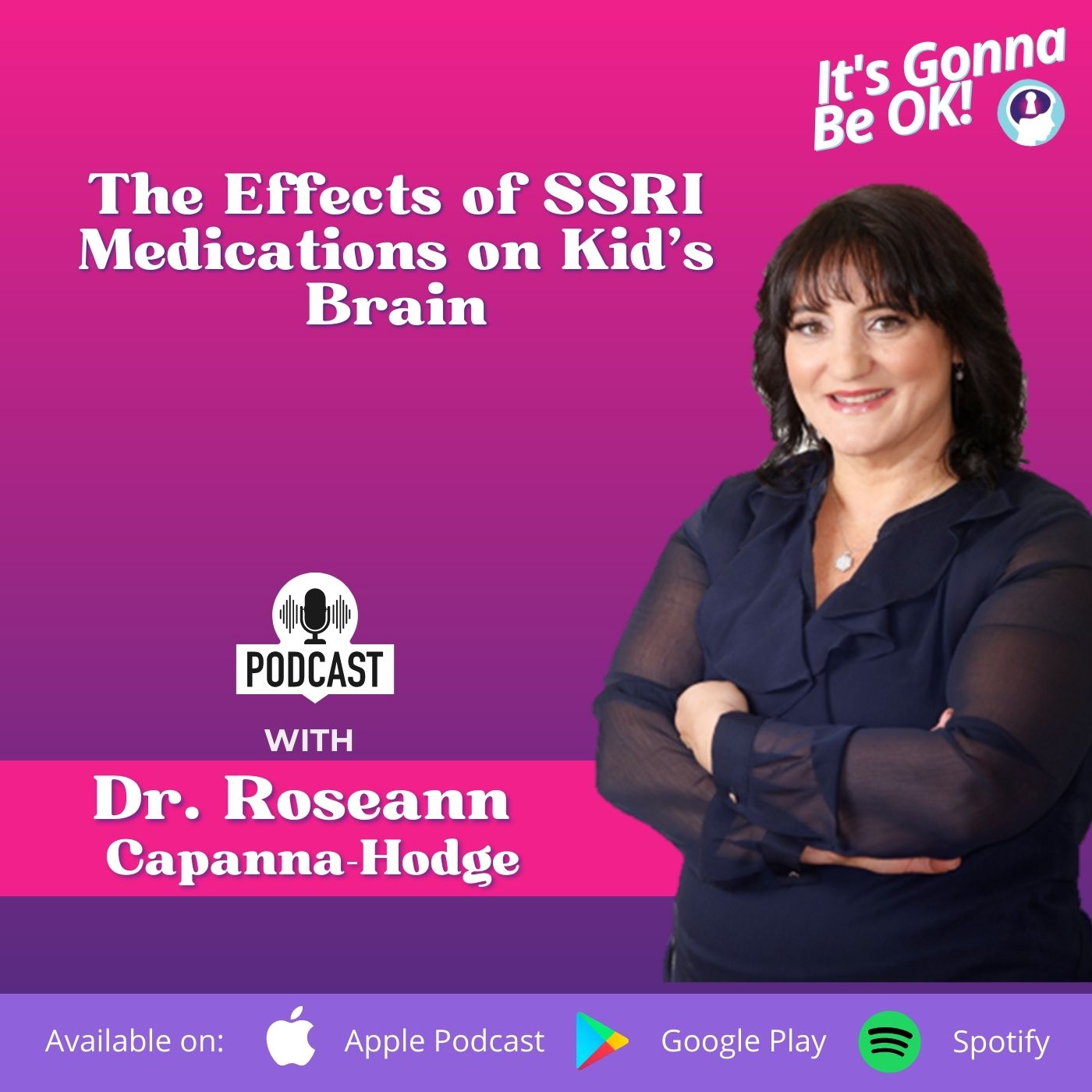
The Side Effects of SSRI Medications on Kid's Brain | Emotional Dysregulation in Children | E105
Description
Side Effects of SSRI Medications in Children: What Parents Need to Know
Parents come to me overwhelmed and unsure if SSRIs are helping or making things worse and those questions are absolutely valid. The side effects of SSRI medications can be significant, especially for developing brains. With an FDA Black Box warning and the gut–brain connection at play, you deserve clear, compassionate information.
In this episode, Dr. Roseann breaks it all down and gives you hopeful, practical next steps. Let’s calm the brain first.
In this episode, you’ll learn:
• why SSRIs may worsen anxiety or irritability in children
• the impact of SSRIs on emotional regulation and self-awareness
• long-term side effects that often go undiscussed
• natural alternatives and holistic strategies for managing ADHD, anxiety, and mood disorders
What’s really happening in the brain
Why does my child seem more anxious or irritable after starting an SSRI?
One of the hardest things for parents to experience is seeing their child’s anxiety, agitation, or irritability get worse instead of better after starting an SSRI. Unfortunately, this is a common side effect of SSRIs in children.
SSRIs can destabilize a dysregulated nervous system, especially when there’s already:
• chronic stress
• neuroinflammation
• undiagnosed issues like OCD, bipolar tendencies, or PANS/PANDAS
Signs your child may be experiencing SSRI side effects:
• Increased emotional outbursts
• Agitation or restlessness
• Bigger reactions to small triggers
• Sleep changes or fatigue
Real-life example:
I’ve seen children who were previously mildly anxious swing into severe irritability within weeks of starting the medication. And it’s not your fault—SSRIs don’t always target the root causes, which is why addressing the nervous system is key to recovery.
The reframe parents need
Behavior is communication.
When your child’s behavior escalates, it’s a sign that the nervous system is dysregulated. The answer isn’t to just rely on medication—it’s about calming the brain so your child can respond, not react.
Is feeling ‘flat’ or unlike themselves a normal reaction to SSRIs?
Many teens describe feeling emotionally numb or “not like themselves.” Parents notice their child seems disconnected, quiet, or distant.
This emotional flattening happens because SSRIs level out both the highs and the lows, which may seem helpful, but for a developing brain, it can dull emotional processing and self-awareness.
Watch for:
• Lack of motivation
• Emotional flatness or detachment
• Reduced social engagement
• Diminished creativity or spark
Real-life example:
A mom shared, “My son isn’t sad, but he isn’t anything.” This is a sign that the nervous system needs support and regulation, not more dampening.
How dangerous are the long-term side effects we don’t hear about?
This is the question parents often whisper to me—afraid of the answer. So let’s say it plainly: up to 60% of adolescents experience significant side effects from SSRIs.
Beyond mood changes, SSRIs can contribute to:
• Gut disruption (where serotonin is made)
• Weight gain
•