Episode Details
Back to Episodes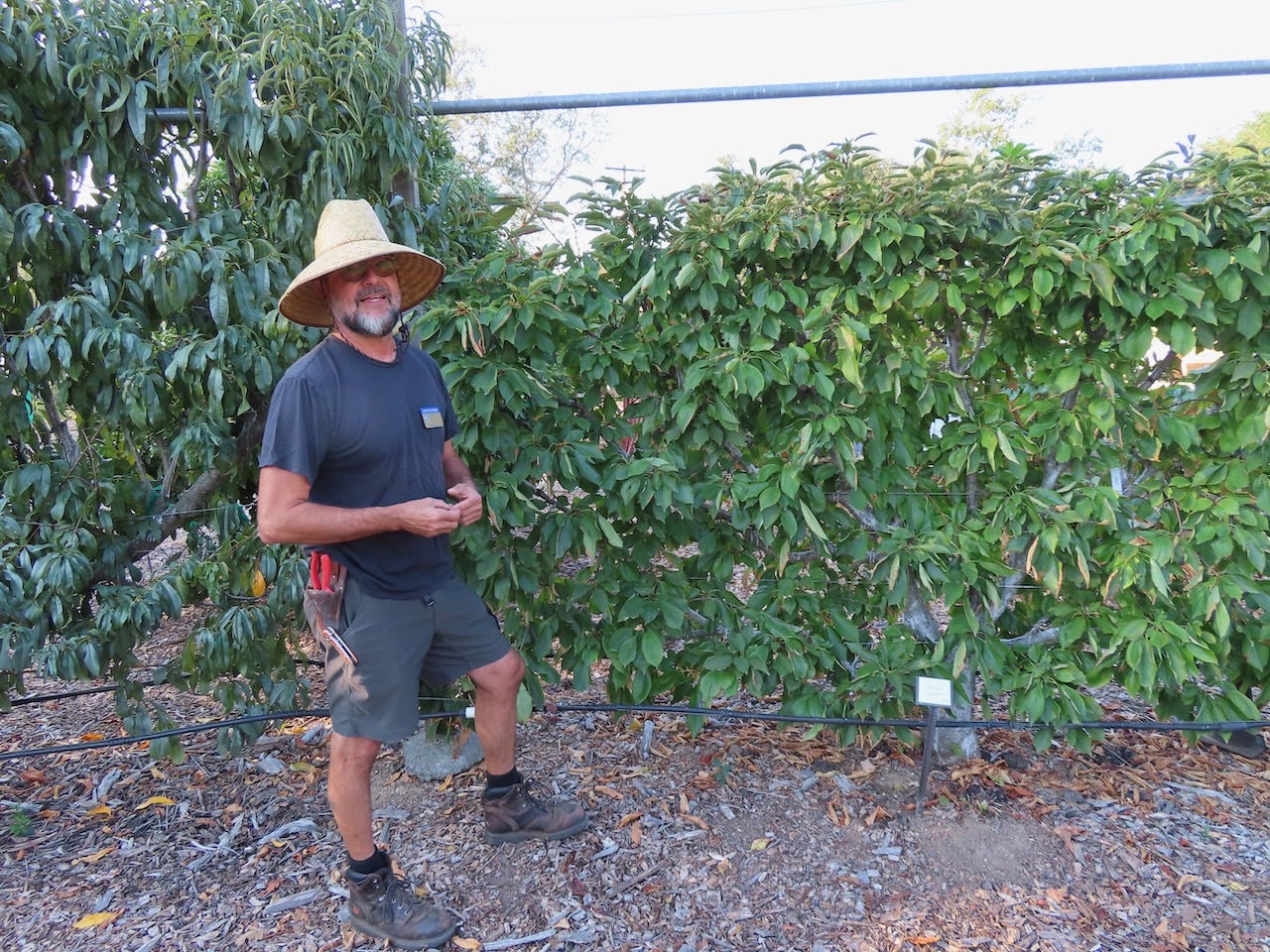
Drooping Leaves vs Heatwaves
Description
Record-breaking heat waves have pummeled the world, especially during the last two years. What’s a gardener to do?
In today’s newsletter podcast (above), Master Gardener Quentyn Young walks us through the fruit tree orchard at the Fair Oaks Horticulture Center, discussing how a record heat wave adversely effected the trees and the fruit. Plus, he has tips for dealing with extended heat waves in the home orchard.
Heatwaves vs. Drooping Leaves
Here we go again. Another multi-day bout of triple digit temperatures hit us last weekend and beyond. I’m just guessing that SOMEWHERE in the northern hemisphere of planet Earth, this will be the case for the balance of the summer, possibly into early Fall. What should a gardener do if the plants in your outdoor vegetable and flower gardens start showing droopy leaves when the temperature tops 100 degrees? Or, as the National Weather Service warned, 110 degrees?
There are two schools of thought about what you should do. One school says plants naturally conserve moisture on a hot afternoon by allowing their leaves to sag; wait until the morning before determining if the plant needs water. According to the University of Maryland: “Sometimes a plant wilts on a hot day because moisture is evaporating from the leaves faster than the roots can take it up. If there is ample soil moisture, the plant will absorb water in the evening to restore turgor to the stems and leaves.” They also point out that hot, drying winds can also cause temporary wilting even when soil moisture is adequate.
The other school says: Don't believe that first school. "Large, thin leaves, common in many ornamental, annual and vegetable species, do not conserve water," writes Washington State University Horticulture Professor Linda Chalker-Scott. "Tomatoes, zucchini and black-eyed Susans...are not water conservers. Chronic wilting of these and others can eventually cause leaf tip and margin necrosis (or tissue death). It also reduces growth, so that your yield of tomatoes, zucchini and black-eyed Susan flowers will be decreased." She advises applying a layer of mulch around those plants to help conserve water.
However, be forewarned: drooping leaves can also indicate a lack of oxygen in the soil due to too much standing water. Using a moisture meter, plunge it into the soil to a depth of eight to 12 inches. That can help determine whether the suffering plant might benefit from a drink of water or that there is too much water present in the soil. Check the moisture in the root zone before your usual watering, as well. Improper watering is the number one cause of plant failure.
The U.C. Master Gardeners of Marin County offer some tips to relieve heat stress on plants during extreme weather events:
• Water thoroughly in the morning on days when high temperatures are expected, to help plants cope with excess heat. If discovered in time during a heat wave, a drooping, wilted plant can often be revived with additional water.
• Watch for radiant heat - Pay special attention to plants next to walkways, patios, and other structures that radiate heat. They may be the first to show signs of heat stress and the need for extra water.
• Add mulch - Apply two to four inches of organic mulch over the root areas around garden plants, trees, and shrubs. This will lower soil temperature and diminish moisture loss.
• Provide shade - Use shade cloth to provide direct sun protection and reduce the a