Episode Details
Back to Episodes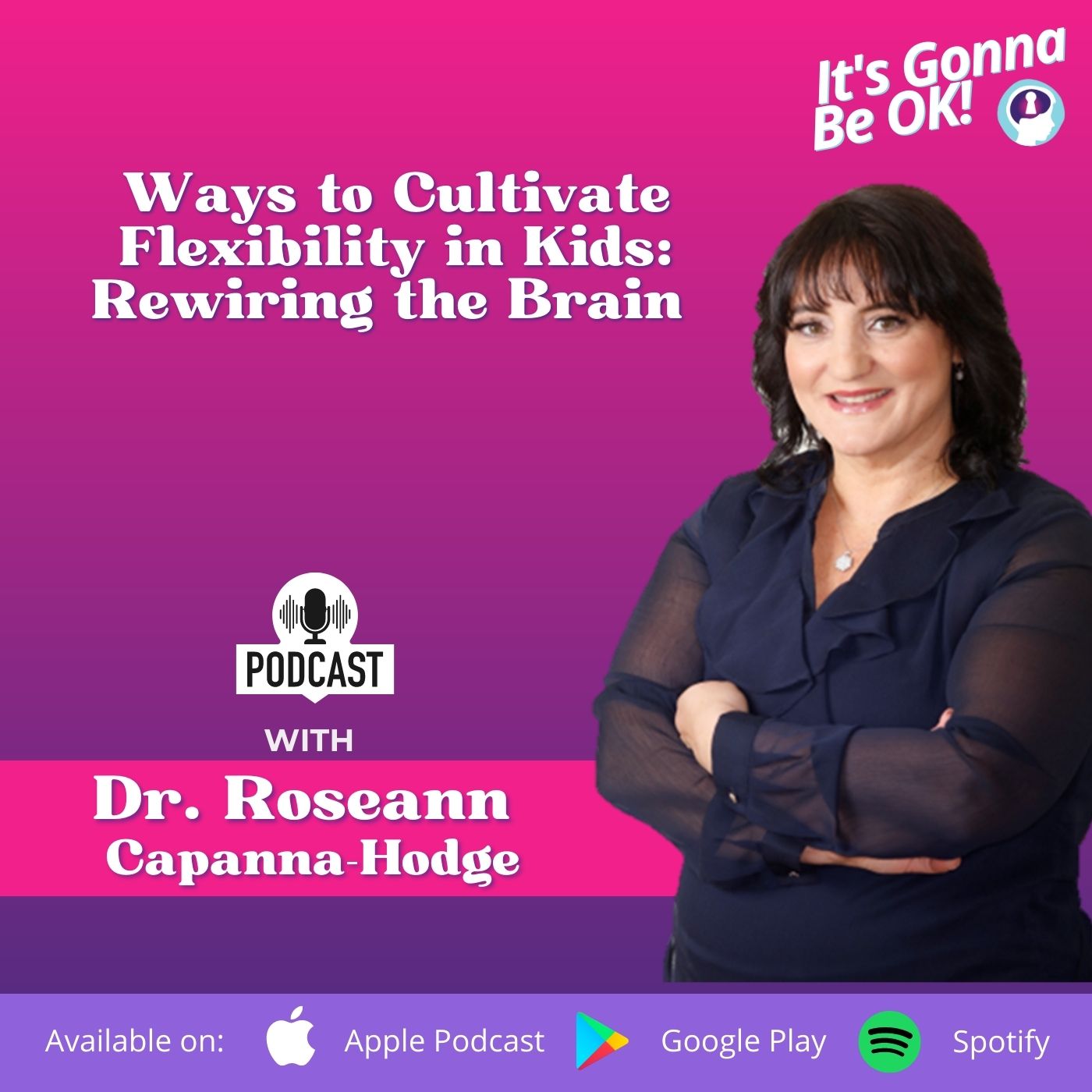
Effective Ways to Cultivate Flexibility by Rewiring the Brain | Nervous System Strategies | E98
Description
Rewiring the Brain: How to Build Flexibility in Kids Without Medication
Parents, if you’re exhausted by daily battles and walking on eggshells, you’re not alone. Flexibility isn’t a personality trait—it’s a brain skill we can build.
In this short episode, Dr. Roseann explains how rewiring the brain—no medication needed—helps kids break rigid thinking. This shift leads to calmer, more flexible behavior.
You’ll learn how to spot cognitive distortions, teach coping skills, and strengthen executive functioning, so your child can see the big picture and follow through.
In this episode, you’ll learn:
• Why rewiring the brain is essential for flexibility
• How to spot cognitive distortions in children
• Simple co-regulation techniques to help your child
• How to support executive functioning at home
• Practical tips to teach your child to think flexibly
What’s really happening in the brain
Many kids get “stuck” in all-or-nothing thinking, which makes it hard for them to adjust when things don’t go as planned. This is often driven by cognitive distortions—mental patterns that make kids misread situations and feel overwhelmed.
What helps most:
• Model flexible language (e.g., “What else could be true?”)
• Gently spotlight what they’re missing in a situation
• Reinforce small wins: Kids often can’t see the end result, so mirror progress to help build confidence
Real-life example:
After a math quiz wobble, say, “You corrected two problems you used to avoid—that’s your brain getting more flexible.”
The reframe parents need
Behavior is communication.
When your child struggles to cope or adapt, it’s not defiance—it’s a dysregulated brain. Flexibility, problem-solving, and emotional regulation are skills that require practice, patience, and support.
How do I rewire my child’s brain without medication?
Rewiring the brain takes consistency. You change the brain by calming and training it regularly.
Steps to calm the brain:
• Start with neurofeedback, biofeedback, or PEMF to settle the nervous system.
• Practice daily calm routines—short breathing, yoga, or meditation sessions.
• Get our 7-day, science-backed mini-course that gives you the essential tools to calm your child’s brain and restore peace in your home.
When the brain is calm, everything else becomes easier—learning, emotional regulation, and flexibility.
What coping skills actually work for dysregulated kids?
Coping skills are tools, not lectures. Kids need repetition to make them automatic.
What works:
• Breathing techniques (e.g., box breathing, 4-7-8 breath)
• Movement breaks (e.g., wall pushes, heavy work)
• Sensory supports (e.g., weighted lap pads, chewies, fidgets)
• Visual schedules to ease transitions
These tools h