Episode Details
Back to Episodes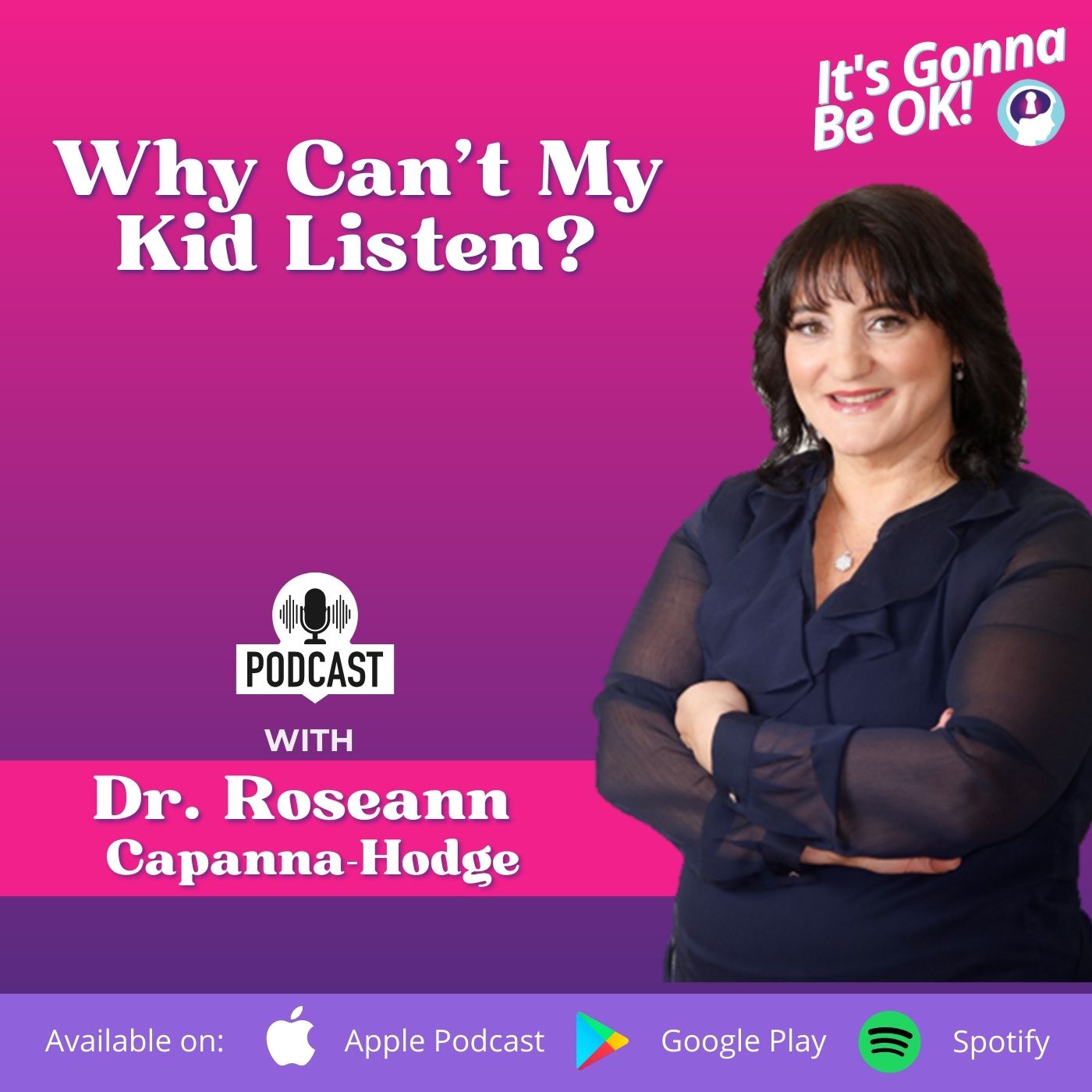
Why Your Kid Can't Listen and How to Change It | Emotional Dysregulation in Children | E81
Description
Why Can’t My Kid Listen? Understanding the Dysregulated Brain
You repeat yourself 10 times and still get “Huh?” or “What?”
Sound familiar?
You’re not alone. When kids don’t listen, it’s exhausting and it can make any home feel chaotic. In this episode, Dr. Roseann explains why listening is actually a brain-based skill, what interferes with it, and how to help kids improve attention and follow-through without yelling or power struggles.
In this episode, you’ll learn:
• why kids struggle with listening and follow-through
• how Emotional Dysregulation in Children impacts attention
• practical tools to improve listening and connection
• how to support Nervous System Regulation in Children at home
What’s really happening in the brain
Listening is not just a behavior—it’s a regulation skill.
When the nervous system is dysregulated, distracted, anxious, or overwhelmed, directions often don’t “land.”
Kids may:
• miss verbal directions
• seem checked out
• forget tasks quickly
• say “What?” repeatedly
• struggle with transitions and follow-through
Real-life scenario:
You say, “Put your backpack on the hook,” and your child keeps walking.
Instead of repeating louder, pause, make eye contact, gently touch their shoulder, and ask them to repeat the direction back.
It’s not disrespect—it’s a dysregulated brain struggling to process information.
The reframe parents need
Behavior is communication.
Kids who don’t listen are often overwhelmed, distracted, anxious, or neurologically overloaded—not intentionally ignoring you.
Conditions that may impact listening include:
• ADHD and Emotional Dysregulation
• Anxiety in Children
• Executive Functioning in Children challenges
• autism
• OCD or depression
• sensory processing issues
What you can do next
Support listening by reducing cognitive overload.
Helpful strategies include:
👉 get attention before giving directions
👉 use short, specific language
👉 give one instruction at a time
👉 pause 3–5 seconds for processing
👉 ask kids to repeat directions back
Try:
• “Shoes on, please.”
• “Tell me what you heard.”
• “First backpack, then snack.”
Predictable routines reduce stress and improve follow-through.
What if my child truly “can’t hear” me?
Some kids struggle with sensory or auditory processing issues.
Others may have:
• hearing challenges
• tinnitus or sound sensitivity
• sensory overload in noisy environments
Helpful supports:
👉 reduce background noise
👉 use gestures with directions
👉 stand close and speak calmly
👉 check hearing if concerns persist
If you’ve been searching for How to Calm a Dysregulated Child, nervous system regulation improves listening, attention, and responsiveness.
How mindfulness and movement improve listening
A calm nervous system listens better.
Simple supports include:
• nature walks
• belly breathing before homework
• mindf