Episode Details
Back to Episodes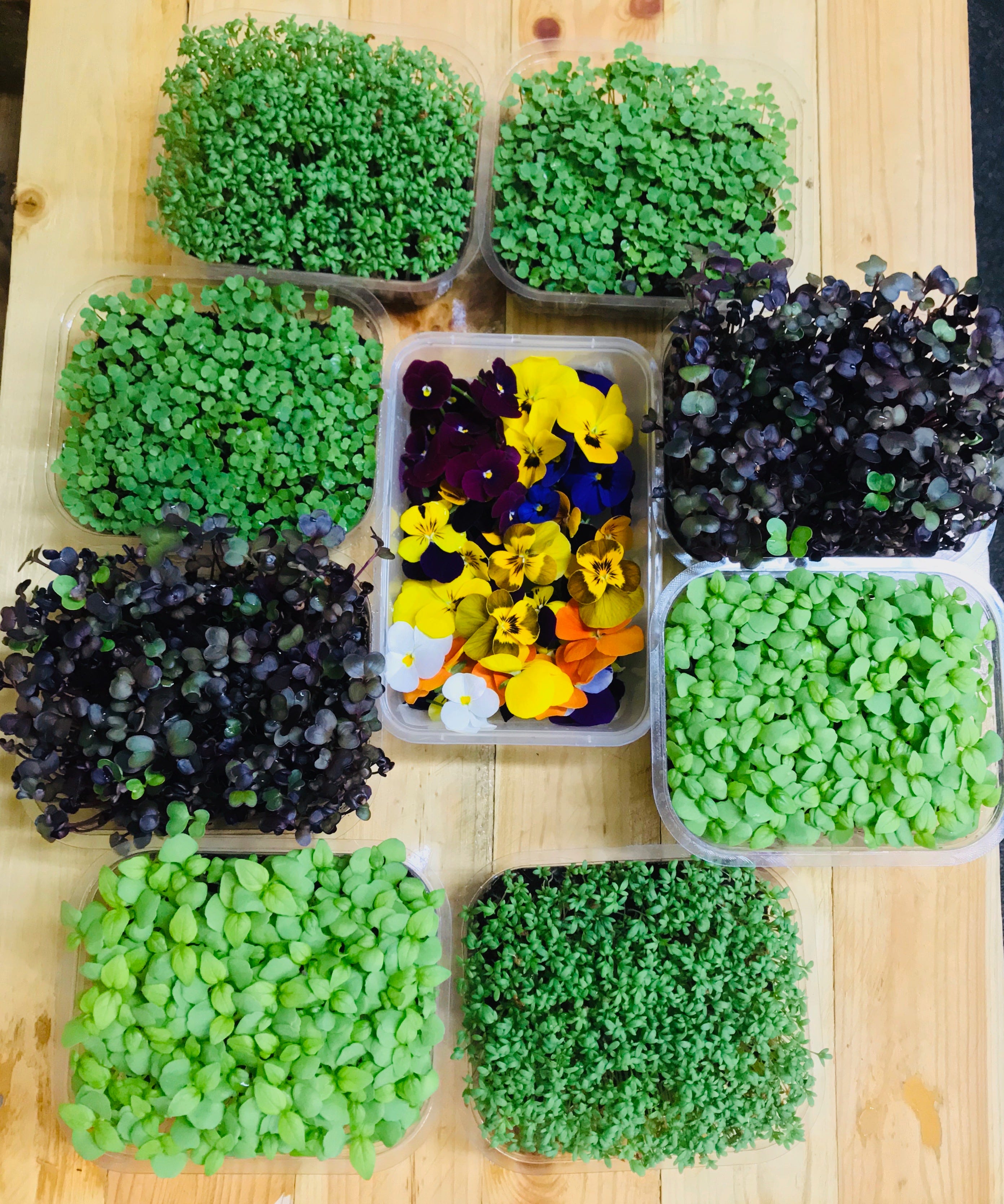
Growing Healthy Greens Year Round
Description
If you listened to this week’s Garden Basics with Farmer Fred podcast (Ep. 269: “Growing Your Brain Food Garden”), you heard Dr. Laura Varich of FreshPhysician.com tout the cholesterol-fighting qualities of many home grown vegetables. Lowering cholesterol levels is widely known as a key factor in reducing heart disease. According to Varich, you’re not only doing your heart a favor, but also your brain. High cholesterol levels can also lead to blockages in the brain which can lead to a stroke. And recent evidence has shown that the same narrowing of those brain vessels is also associated with Alzheimer's disease. It seems that plaques and tangles that develop in Alzheimer's disease are likely not to cause the disease, but are instead the brain's response to the damage to that poor blood flow. Examination of the brains of Alzheimer's patients have found significant blockages in the arteries that bring blood to the critical memory centers of the brain. In other words, it's very similar to heart disease and stroke. High blood cholesterol is a major risk factor for the development of Alzheimer's disease.
Among the garden crops that are some of the best for reversing high cholesterol levels (in conjunction with a reduction in consumption of ultra processed food and getting regular exercise) are greens, whole grains and cruciferous vegetables such as broccoli, cauliflower, kale and cabbage. She is especially fond of growing microgreens. Here’s Dr. Varich’s list of the nine best food groups for brain health:
If you live in a hot summer climate, however, growing many of the greens and cruciferous vegetables is seemingly near impossible before they bolt and turn bitter. Those crops definitely prefer a cool climate (where summer temperatures seldom get into the upper 90’s), or the mid-to-late fall, winter, and early spring climate of USDA Zones 9 and 10.
So can a hot climate gardener, who wants to eat healthier homegrown vegetables year-round, thwart this summertime stop sign? Yes.
In today’s Beyond the Garden Basics newsletter podcast (above) we present three ways to eat healthy, homegrown greens year round:
* Growing Microgreens with Master Gardener Gail Pothour (at 00:00 of the newsletter podcast)
* How to Grow Cilantro in a Hot Summer Climate with Renee Shepherd of Renee’s Garden seed catalog (22:37)
* Growing the Cheapskate Salad Bowl, with Brad Gates of Wild Boar Farms (25:24)
Lettuce Varieties to Grow in Hot Summer Climates
An especially vexing garden issue for greens lovers in USDA Zones 8, 9 and 10: How do you grow lettuce in the summertime? We discussed this in Episode 264 of the Garden Basics podcast with vegetable expert and Master Gardener Gail Pothour. A transcript of that conversation follows:
Farmer Fred: All right, now we come to number nine on the list of the 10 most popular garden vegetables and it's a cool season crop in California. If you live in a very mild climate, or the Bay area of California, you can certainly grow all the lettuce varieties you want. And I can I can see why people grow lettuce and I hope that you try something different than Iceberg. Iceberg, to me, is the least nutritious, colorless, tasteless, lettuce that has fallen into mass marketing. There's a lot of leaf lettuce varieties that are so much tastier and also can withstand heat better than Iceberg.
Gail Pothour: Yeah, I was gonna say Iceberg doesn't do that well in the Sacramento area. We're too hot. And so we generally recommend gardeners to try looseleaf or romaine or one of the butterhead type