Episode Details
Back to Episodes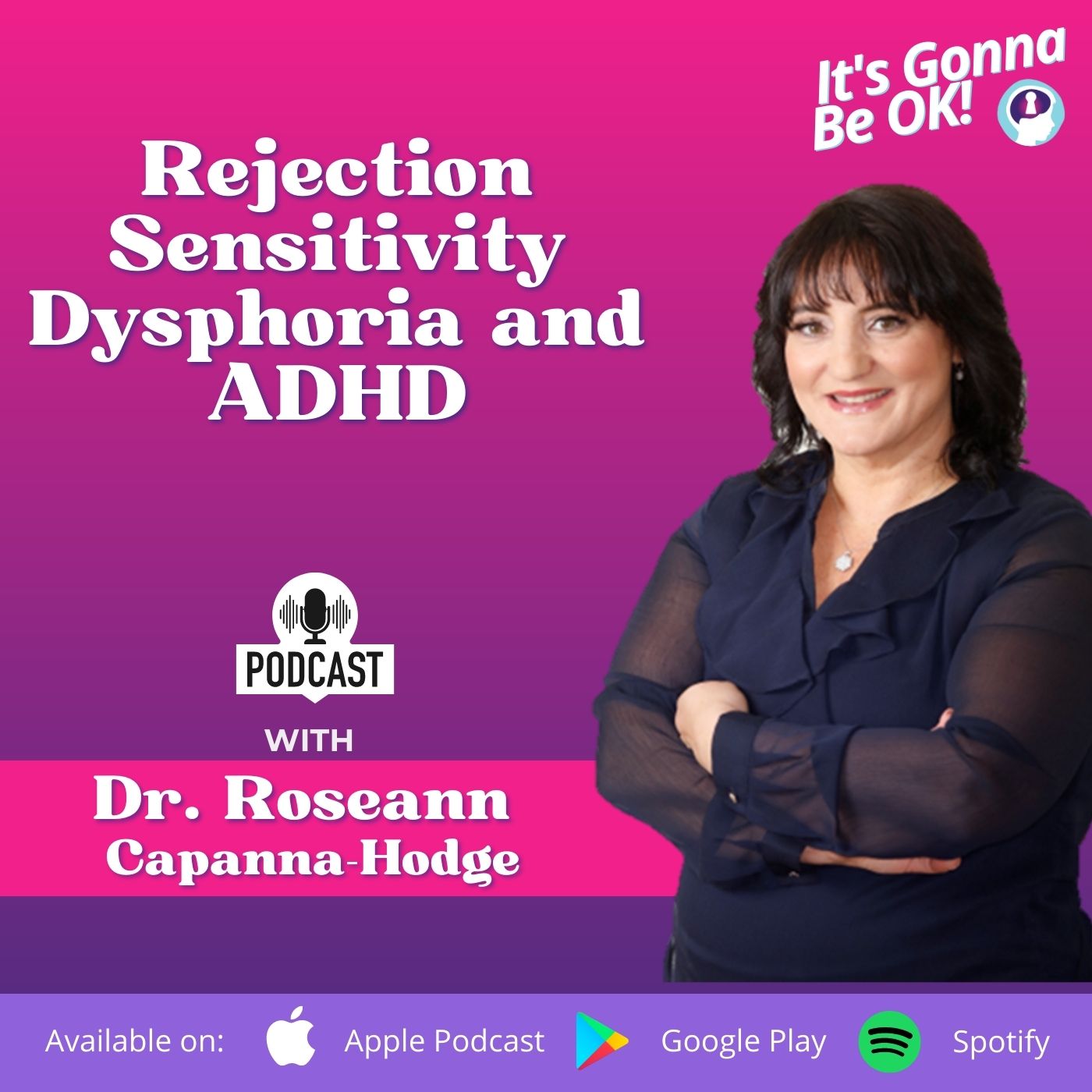
Rejection Sensitivity Dysphoria and ADHD | Nervous System Regulation | E72
Description
Rejection Sensitivity Dysphoria and ADHD: Why Small Criticism Feels So Big
Parenting a child with ADHD can feel like walking on eggshells.
One moment everything is fine and the next, your child is melting down over what seems like a small comment, reminder, or facial expression.
This intense emotional pain around criticism or rejection is called Rejection Sensitivity Dysphoria and ADHD, and it affects many kids with ADHD.
In this episode, Dr. Roseann explains what RSD really is, why it happens, and why calming the nervous system first is essential before jumping to medication solutions.
In this episode, you’ll learn:
• what Rejection Sensitivity Dysphoria and ADHD looks like in kids
• how RSD differs from anxiety or mood disorders
• why emotional overreactions happen in a dysregulated brain
• how to support nervous system regulation in children naturally
What’s really happening in the brain
Kids with RSD experience emotional pain intensely.
Their nervous system reacts to real—or perceived—criticism as if it’s a major threat.
This can look like:
• crying or explosive reactions to small feedback
• shutting down after correction
• low frustration tolerance
• fear of failure or embarrassment
• negative self-talk and emotional overwhelm
The emotional center of the brain becomes overactivated, making it difficult for kids to regulate their reactions.
It’s not drama—it’s a dysregulated brain.
The reframe parents need
Behavior is communication.
Your child isn’t overreacting on purpose—their nervous system is overwhelmed and highly sensitive to rejection cues.
What looks like defiance or moodiness is often emotional dysregulation tied to ADHD.
How RSD differs from mood disorders
RSD reactions are triggered by rejection or criticism.
Mood disorders, on the other hand, often occur without a clear trigger.
That distinction matters because many kids with ADHD and emotional dysregulation are misdiagnosed and placed on medications that can sometimes increase irritability, anxiety, or emotional sensitivity.
What you can do next
Before focusing on behavior correction, focus on calming the brain first.
Helpful supports include:
👉 neurofeedback
👉 PEMF
👉 co-regulation strategies
👉 predictable routines and reduced overwhelm
👉 nervous system calming tools
When the nervous system becomes more regulated, kids are better able to handle frustration, feedback, and emotional stress.
If you’ve been searching for how to calm a dysregulated child, regulation must come before correction.
What parents should know about ADHD medication and RSD
Stimulants may improve focus—but in some highly dysregulated kids, they can intensify emotional reactivity.
That’s why it’s important to:
• monitor emotional changes carefully
• address nervous system overload first
• support regulation alongside any treatment plan
Healing starts with calming the brain—not overstimulating it further.
Listen + Take the Next Step
If this episode helped you better understand your child’s emotional reactions, share it with another parent who needs support.
Listen Now
Love PodBriefly?
If you like Podbriefly.com, please consider donating to support the ongoing development.
Support Us