Episode Details
Back to Episodes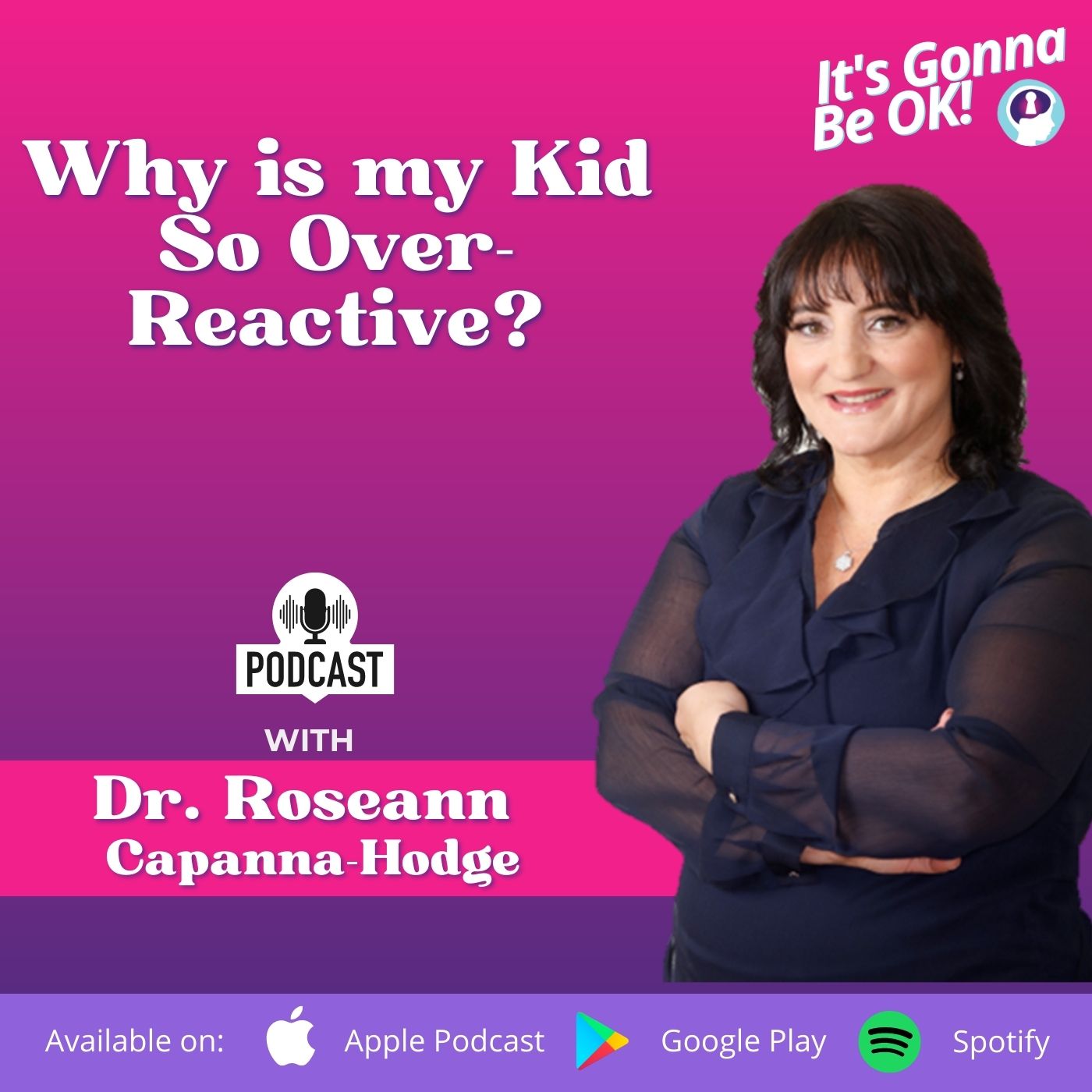
Why is my Kid so Over-Reactive? | Emotional Dysregulation in Children | E71
Description
Over Reactive Kids: What’s Really Happening in Your Child’s Brain
If every little thing seems to set your child off—from brushing their teeth to hearing “no”—you’re not alone.
Many parents feel like they’re walking on eggshells around their child’s big emotions. But the truth is:
👉 your child isn’t being dramatic or defiant.
Their nervous system is dysregulated.
In this episode, Dr. Roseann explains what’s really happening inside the brain of over reactive kids and how parents can calm the chaos with practical, science-backed tools.
In this episode, you’ll learn:
• why over reactive kids struggle with emotional regulation
• the signs of emotional dysregulation in children
• why anxiety and overwhelm can look like defiance
• how to support nervous system regulation in children at home
What’s really happening in the brain
When kids are over-reactive, their brain is stuck in fight-or-flight mode.
That means their nervous system is constantly scanning for danger—even when they’re safe.
Dr. Roseann’s QEEG brain mapping work often shows over-communication between emotional centers of the brain, making it difficult for kids to filter emotions, stress, and sensory input calmly.
This can look like:
• meltdowns over small frustrations
• mood swings or irritability
• sensory overwhelm
• anxiety or shutdowns
• explosive reactions to simple requests
Example:
A child explodes when asked to start homework—not because they’re oppositional, but because their nervous system is already overloaded.
It’s not bad behavior—it’s a dysregulated brain.
The reframe parents need
Behavior is communication.
Think:
👉 “can’t,” not “won’t.”
Your child’s reactions are driven by biology—not willpower.
When we regulate first, kids become more capable of listening, learning, and connecting.
What you can do next
Start by calming your own nervous system first.
Then support your child with:
👉 deep breathing and rhythmic movement
👉 predictable routines that create safety
👉 sensory supports like calming music or quiet breaks
👉 empathy before instruction
Try saying:
“I see this feels really big right now. Let’s breathe together.”
Even highly empathetic or gifted kids can become overwhelmed because they process the world more deeply.
If you’ve been searching for how to calm a dysregulated child, the goal isn’t to eliminate feelings—it’s to help the brain return to balance.
Why anxious kids can look defiant
An anxious, overwhelmed brain often cannot tolerate more demands.
That’s why kids may:
• yell or shut down
• avoid tasks
• appear oppositional
• resist transitions or expectations
What looks like defiance is often a stress response.
The nervous system must feel safe before behavior improves.
Listen + Take the Next Step
If this episode helped you better understand your child’s reactions, share it with another parent who needs support.
Get your FREE Regulation Rescue Kit here:
👉 www.drroseann.com/newsletter
Dr. Roseann Capanna-Hodge helps parents understand em