Episode Details
Back to Episodes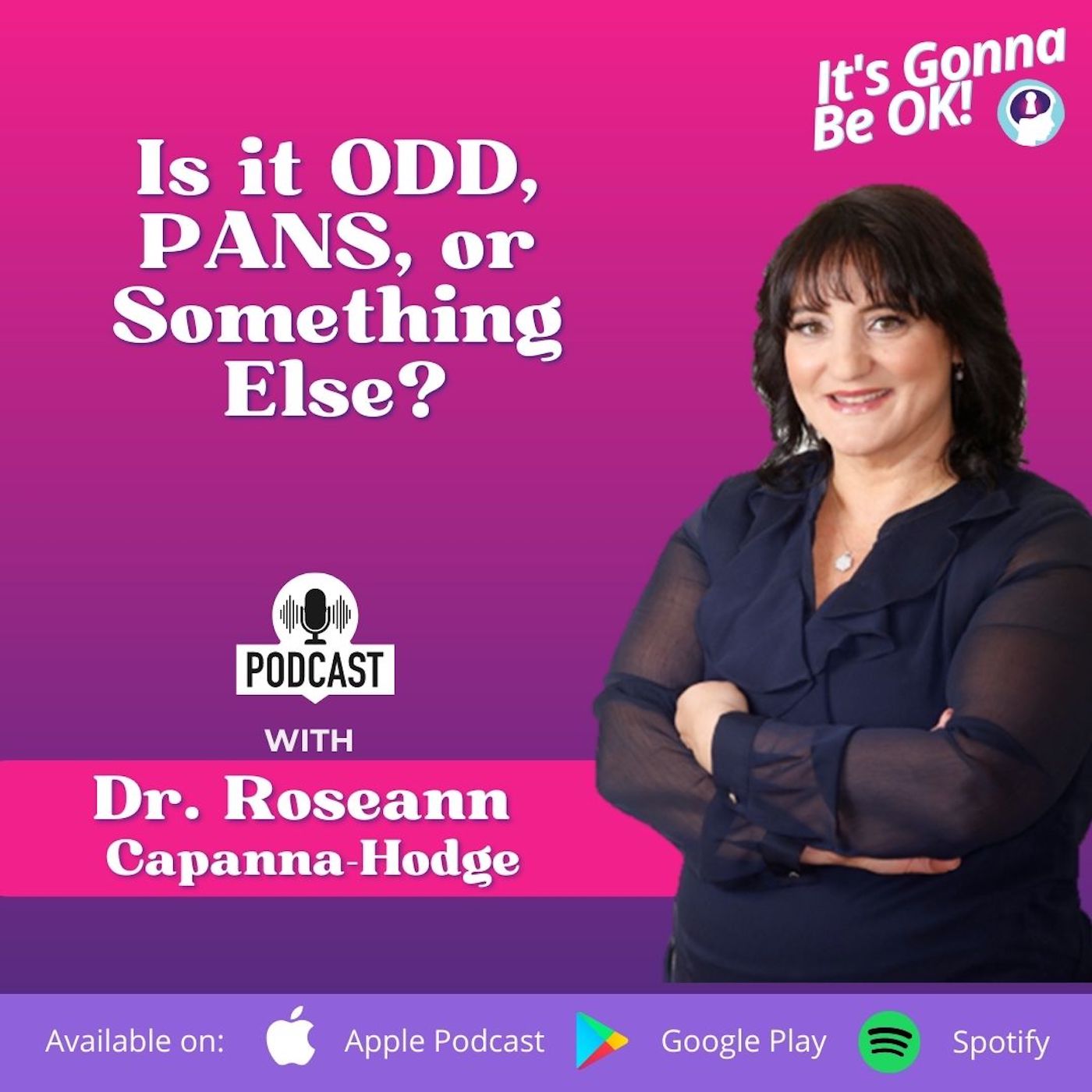
Is it ODD, PANS, or Something Else? | Emotional Dysregulation in Children | E64
Description
If your child’s behavior feels confusing, explosive, or unpredictable, you’re not alone.
Many parents worry their child has ODD, PANS/PANDAS, or something more serious because the meltdowns, anxiety, or refusal behaviors feel so intense. But the truth is:
many conditions overlap because dysregulation overlaps.
In this episode, Dr. Roseann explains why behaviors can look similar across conditions and why calming the brain first is the key to understanding what’s really happening.
In this episode, you’ll learn:
• why emotional dysregulation in children can look like many different conditions
• how the nervous system drives anger, anxiety, and meltdowns
• how to become a “parent detective” and identify triggers
• practical ways to support nervous system regulation in children
What’s really happening in the brain
When kids are overwhelmed, the brain shifts into fight, flight, or freeze.
That means the thinking brain goes offline and survival behaviors take over.
This can look like:
• explosive anger
• panic or shutdowns
• impulsivity or refusal
• irrational or extreme reactions
It’s not defiance—it’s a dysregulated brain trying to cope.
Parent story:
A child melts down every time homework begins. Once the parent realizes the trigger is anxiety—not attitude—everything changes.
Behavior is communication, not character.
The reframe parents need
Behavior is communication.
It’s not bad behavior—it’s a dysregulated brain.
When we focus only on stopping behaviors, we miss the root cause driving them.
What you can do next
Become a “parent detective.” for your child with pans/pandas or odd
Instead of reacting, start observing:
👉 what triggers the behavior?
👉 when does it happen?
👉 how long does it last?
👉 what patterns show up repeatedly?
Then focus on calming the nervous system first.
Helpful tools include:
• deep breathing and mindfulness
• movement and sensory regulation
• lowering sensory overload
• co-regulation and calm communication
If you’ve been searching for how to calm a dysregulated child, start with your own nervous system first.
How to support your child and family
Your child needs calm, regulated adults around them.
To get caregivers on the same page:
• focus on the nervous system—not blame
• share resources and observations
• keep communication open and judgment-free
• seek support from trained professionals
Co-regulation works.
When you calm yourself first, your child’s nervous system responds.
Listen + Take the Next Step
You don’t have to figure this out alone.
Become a Dysregulation Insider VIP and get your FREE Regulation Rescue Kit:
👉 www.drroseann.com/newsletter
And if this episode helped you rethink your child’s behavior, share it with another parent who needs it.
Dr. Roseann Capanna-Hodge helps parents understand emotional dysregulation in children and teaches practical nervous system regulation and co-regulation strategies through her Regulation First Parenting™ approach.
Mentioned in this episode:
Join Us for Rewiring the Brain. What is Neurofeedback?