Episode Details
Back to Episodes#117 – Why do religions care so much about sex?
Description
The first in a series of episodes on this question, this one being a scientific perspective from an ex-Mormon social psychologist
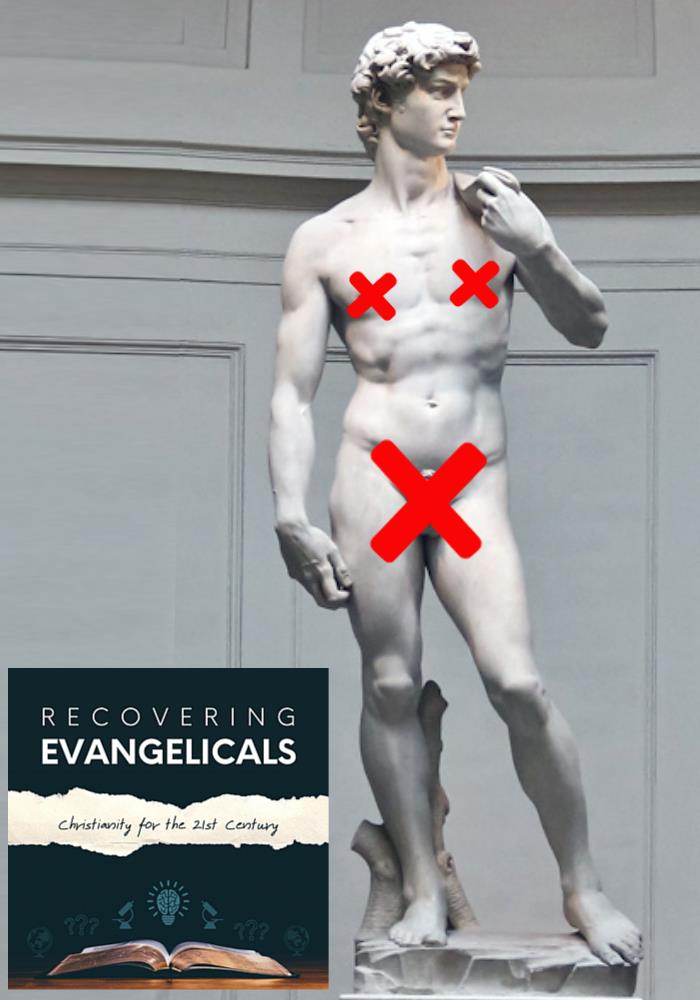
This is the first in a multi-part series of episodes that focuses on that very question. It will NOT get into sexual ethics, morality or normativity. Instead, we’re exploring why it is that religions pay widely varying attention to this or that aspect of human existence (diet; money; dead bodies; government; medicine; technology; war), but ALL religions across the board have much to say about sex and gender. This is especially true of Christianity. As always, we’ll get a number of scholars to weigh in on this from their diverse perspectives.
This week, we start with an ex-Mormon social psychologist — Dr. Jordan Moon (Institute for Advanced Study in Toulouse) — who will look at this from the scientific perspective. He recently published a paper in a scientific journal with the title: “Why are world religions so concerned with sexual behavior?” We thought this was a perfect place to start. Some of the points/questions we talked about include:
- sex and gender precede the fossil record of single cell life
- there’s no clear evolutionary advantage, because some life forms still reproduce non-sexually even though they have the ability to do so sexually
- although each religion might have certain laws about fundamental aspects of life (like diet; what to do with dead bodies; the use of mind-altering chemicals; technology; money; how to wage war), they ALL say something about sex and gender; this has been true across the globe and all through recorded history
- Christianity in general, and Evangelicalism in particular, have MUCH to say about sex, gender, and sexuality
- attributing sex to any form of Intelligent Design calls into question the “intelligence” of the Designer: ” …. “why run a sewer system through the middle of the playground?”
- religion is so obsessed with this because “the stakes are very high”; however religions are not so uniformly or universally concerned about other matters for which the stakes are high (dietary laws; money; technology; war)
- can human pre