Episode Details
Back to Episodes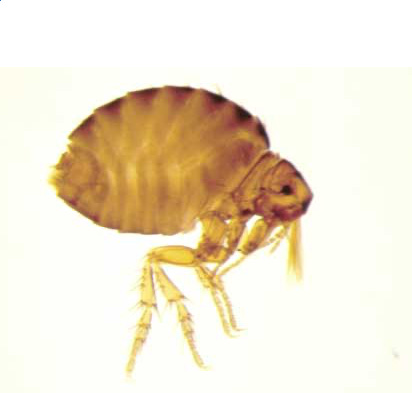
Flea and Tick Control Tips
Description
As the weather warms, so do outbreaks of fleas and ticks. Today’s newsletter podcast features an interview with retired veterinarian and Master Gardener Heidi Napier, who talks about these pests, along with a scenic bypass about controlling slugs and snails using less toxic products that won’t harm your kids or dogs.
Flea Control Tips
This pest can live indoors and out, as well as on your pets. However, a combination of remedies can reduce a flea population. The trick, though, is to attack the problem simultaneously on three fronts: indoors, outdoors and on your pets.
Here are a few flea control suggestions from the UC Integrated Pest Management Program.
Inside the Home:
• Wash throw rugs and the pet’s bedding in hot, soapy water once a week.
• Vacuum daily or every other day to remove flea eggs, larvae, and adults. Include upholstered furniture, cushions as well as in cracks and crevices of furniture.
• Vacuum carpets, especially beneath furniture and in areas frequented by pets. Recent studies suggest that destroying the vacuum bags isn’t necessary.
• Use a hand sprayer to treat all carpets with an insecticide that contains an insect growth regulator. The most effective spray products contain the Insect Growth Regulator methoprene or pyriproxyfen. Aerosol foggers don’t provide the coverage and long-term effectiveness of direct sprays.
• Hand spray pet sleeping areas, areas beneath furniture, baseboards, and windowsills.
On the Pet:
• If you administer oral or topical products early in the year before flea populations begin to build, the products can prevent fleas from establishing themselves in your home. Contact your veterinarian for advice in selecting the best flea-control product for your situation.
• Use a spot-on or oral treatment, which can be purchased in pet stores or from vets, or a systemic oral treatment, which is available from vets only. Active ingredients suggested by UC that are available over the counter include Fipronil and Imidacloprid. Prescription products include those with the active ingredients Dinotefuran, Lufenuron, Nitenpyram, Pyriprole, Selamectin and Spinosad.
• University of California research has shown that neither Vitamin B1 supplements nor brewer's yeast prevents fleas from feeding. In addition, herbal collars and ultrasonic devices are not effective flea repellents.
• In our home, we spend quality time with our cat and dogs when we bring out the flea comb. This fine-toothed comb manages to pick off at least a couple of fleas from the cat each week, as well as letting us know when there is a major flea outbreak.
Outside the Home:
• If you treat your pets with spot-on or oral treatments, you’ll rarely need to spray outdoors.
• Sprays are only necessary outdoors if you detect lots of fleas, usually in shady areas or places where pets rest. To locate heavy infestations, walk around pet resting areas wearing knee-high white socks. If fleas are present, they will jump onto the socks and be readily visible.
Tick control tips
* Ticks can spread several diseases to humans and pets, but Lyme disease is the most common. In California, Lyme disease is carried by the western blacklegged tick which occurs throughout the state.
* Lyme disease has been reported in most California counties, but some areas pose higher risks than others.
* You can
Listen Now
Love PodBriefly?
If you like Podbriefly.com, please consider donating to support the ongoing development.
Support Us