Episode Details
Back to EpisodesWaxworks
Description
The macabre feelings stirred by waxwork figures go far beyond their use in horror films, back to the Terror of the French Revolution, and beyond to their use as funeral effigies and in magic rites of popular Italian Catholicism and Roman-Etruscan witchcraft.
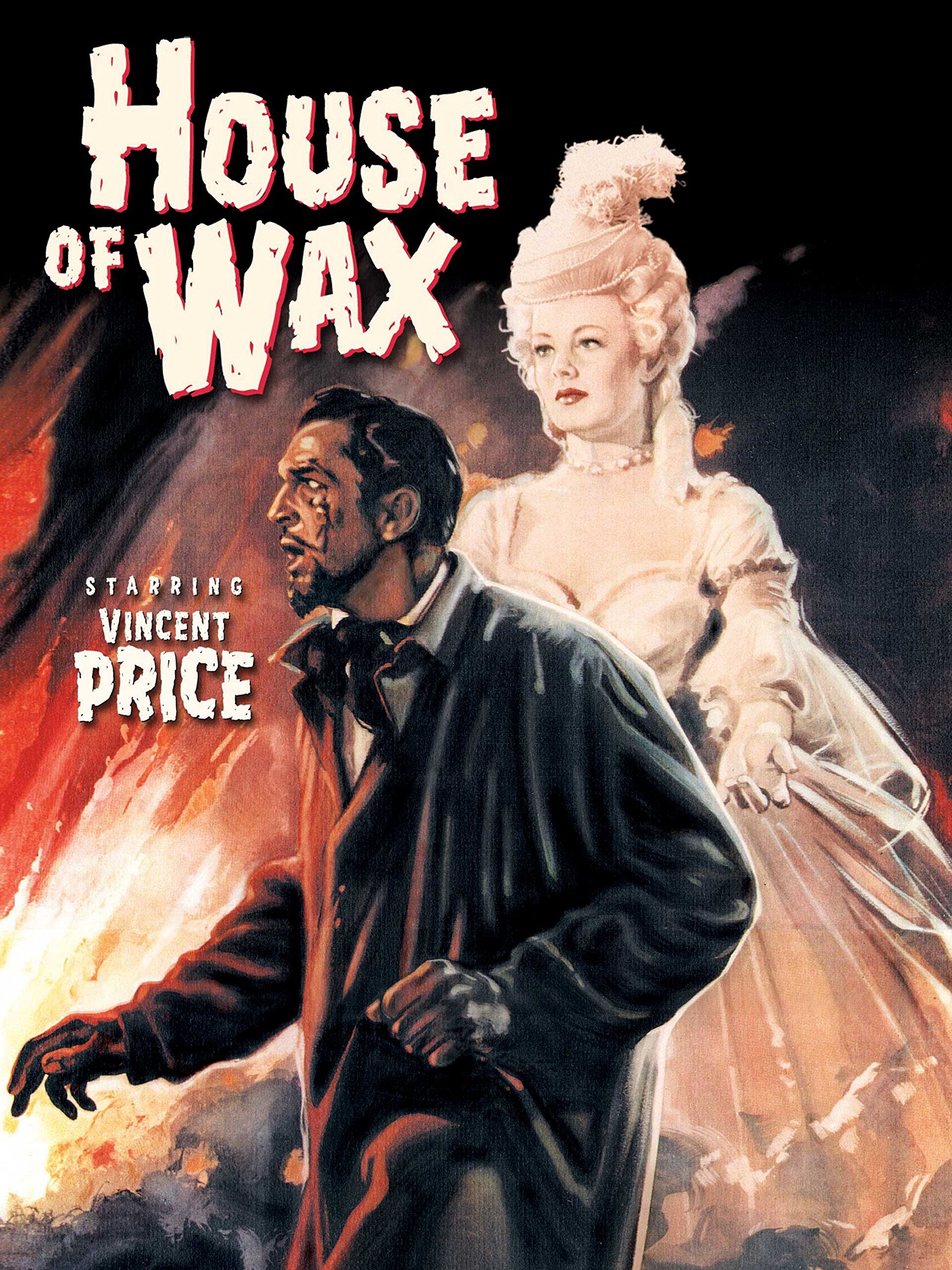
We begin with a brief look at wax museums in horror cinema (going back to 1907). The most famous example, 1953’s House of Wax, not only created Vincent Price as a horror actor, but pioneered the use of 3D. It happened to be a remake of 1933’s Mystery of the Wax Museum, coincidentally another technological pioneer thanks to the film’s use of Technicolor’s early 2-color process. Offering a few more comments on horror films in this genre, we note some common themes: wax figures created over human remains, waxworks as uncanny, liminal presences, neither living nor dead (though being alive enough to kill you), and madness or death awaiting one who accepts the challenge to overnight in a wax museum. All of these have historic roots reaching far beyond their cinematic iterations.
A final commonality is the presence of waxworks murderers and representations of historic villains and villainy, with a particular emphasis on the French Revolution. Naturally, this brings us to a central figure in our story, Madame (Marie) Tussaud, whose name has become synonymous with waxworks.
Her story begins, however, not in France, but in Switzerland, where as a child she began assisting the wax modeler Philippe Curtius, whom her mother served as housekeeper. Her move to France came when the Prince of Conti invited Curtius, his assistant and domestic to join an artistic circle he sponsored in Paris.
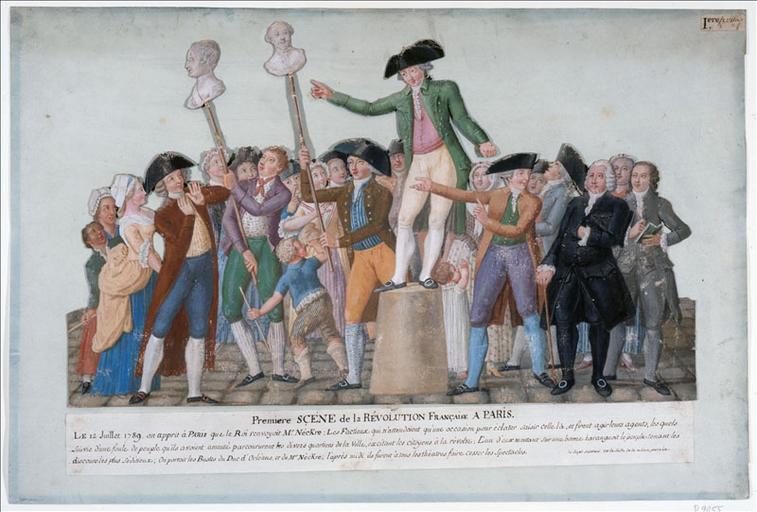
Through the Prince’s connections, Curtius and Tussaud entered elite circles, including the court at Versailles, this thanks to Louis XVI’s sister, Madame Elizabeth, who sought out Tussaud as a mentor to help her create religious figurines in wax. When the Revolution broke out, Tussaud and Curtius were called upon to demonstrate anti-royalist sympathies by documenting the Revolution’s victories. This meant crafting likenesses of heads that tumbled from the guillotine, to be carried on pikes or displayed on trophies. This could be particularly gruesome work given the empathy Tussaud had developed with contacts at the court, as we hear in a grim passage from Tussaud’s Memoirs, read by Mrs. Karswell.
Listen Now
Love PodBriefly?
If you like Podbriefly.com, please consider donating to support the ongoing development.
Support Us