Episode Details
Back to Episodes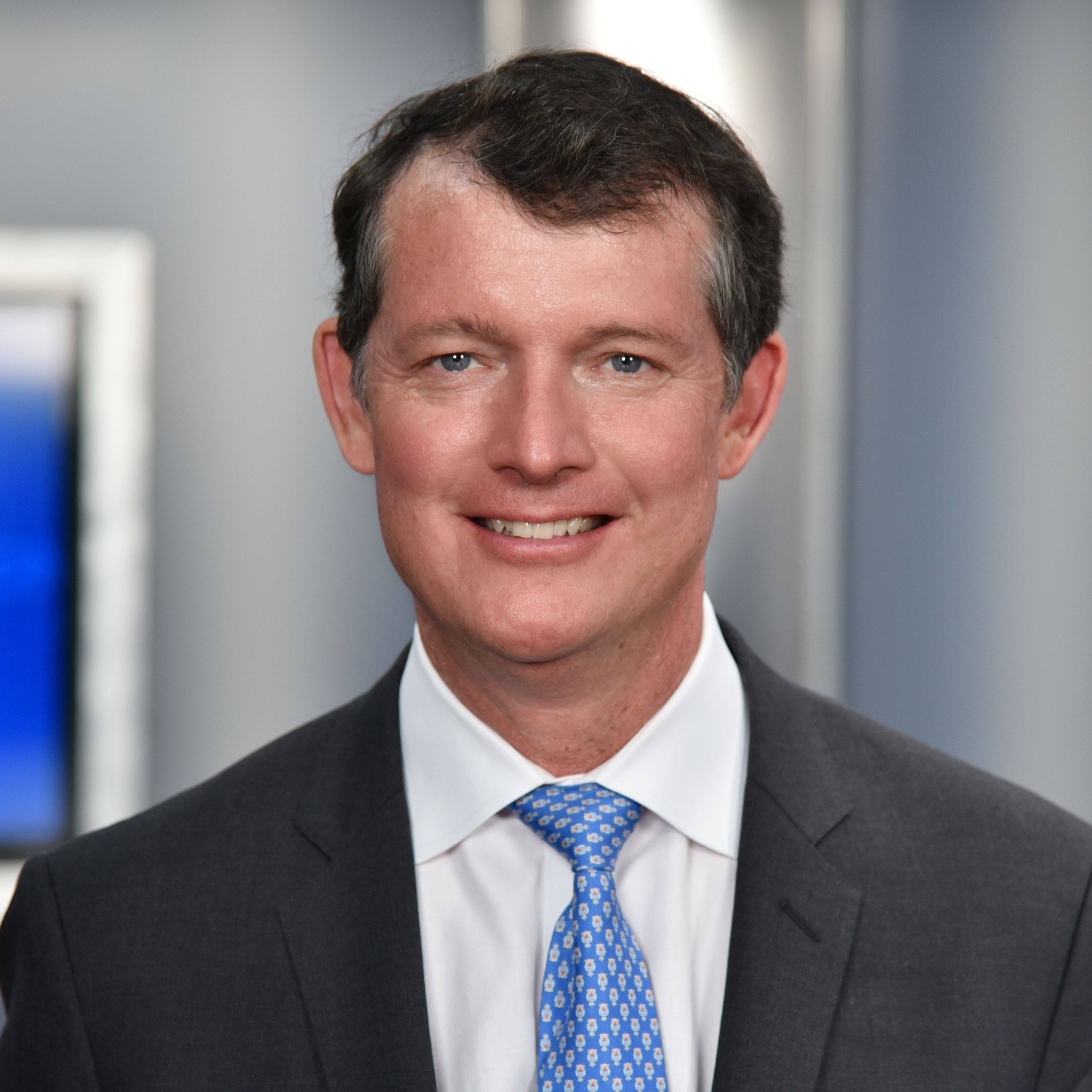
Paul Washington: "The Roles of the Board in the Era of ESG and Stakeholder Capitalism."
Description
0:00 -- Intro.
2:00 -- Start of interview.
2:36 -- Paul's "origin story".
4:13 -- On the SVB collapse and current banking crisis.
8:04 -- On his time as a senior executive and corporate secretary at Time Warner (20 years).
11:28 -- About The Conference Board (founded in 1916) and his role as the Executive Director of its ESG Center (founded in 2019).
14:15 -- About their recent article “The Roles of the Board in the Era of ESG and Stakeholder Capitalism” (Feb, 2023). Focus on "the whom" (stakeholders) and "the what" (ESG).
18:40 -- Paul's take on the BRT Restatement of the Purpose of the Corporation (2019) and corporate directors' fiduciary duties under Delaware law.
23:51 -- On improving board evaluations.
27:54 -- Enhancing Board Information and Stakeholder Engagement in the Era of ESG and Stakeholder Capitalism.
30:03 -- Optimizing Board Composition, Structure, and Capabilities in the Era of ESG and Stakeholder Capitalism. "The leadership of your board is more critical than ever."
33:50 -- Incorporating ESG and Stakeholder Interests into Board Business Decisions.
36:02 -- The dangers of greenwashing. "ESG does not eliminate the business cycle."
40:02 -- On the "anti-ESG" backlash. "I would breakdown ESG backlash (resistance) into three components: 1) Healthy skepticism, 2) Philosophical or ideological opposition (the Milton Friedman stance), and 3) Opportunistic opposition: making ESG part of the culture wars: calling it "woke" or "elitist".
"But if the question is re-framed as a question of economic opportunity, fairness and security (the #1 social issues for CEOs per TCB research). That's how you de-fang the opposition." "How can you be against the G in ESG? Do you really want bad governance? No."
44:41-- On large asset managers passing-through voting power to beneficial owners.
48:00-- On geopolitics in the boardroom. "Boards need to do scenario planning."
51:30 -- The books that have greatly influenced his life:
- He doesn't read biographies. He likes to read primary documents: other peoples' mail, letters and diaries.
53:57 -- His mentors, and what he learned from them ("in a meeting, park your ego at the door").
- Judge David Tatel (DC Circuit)
- Justice David Souter (US Supreme Court)
-
Listen Now
Love PodBriefly?
If you like Podbriefly.com, please consider donating to support the ongoing development.
Support Us