Episode Details
Back to Episodes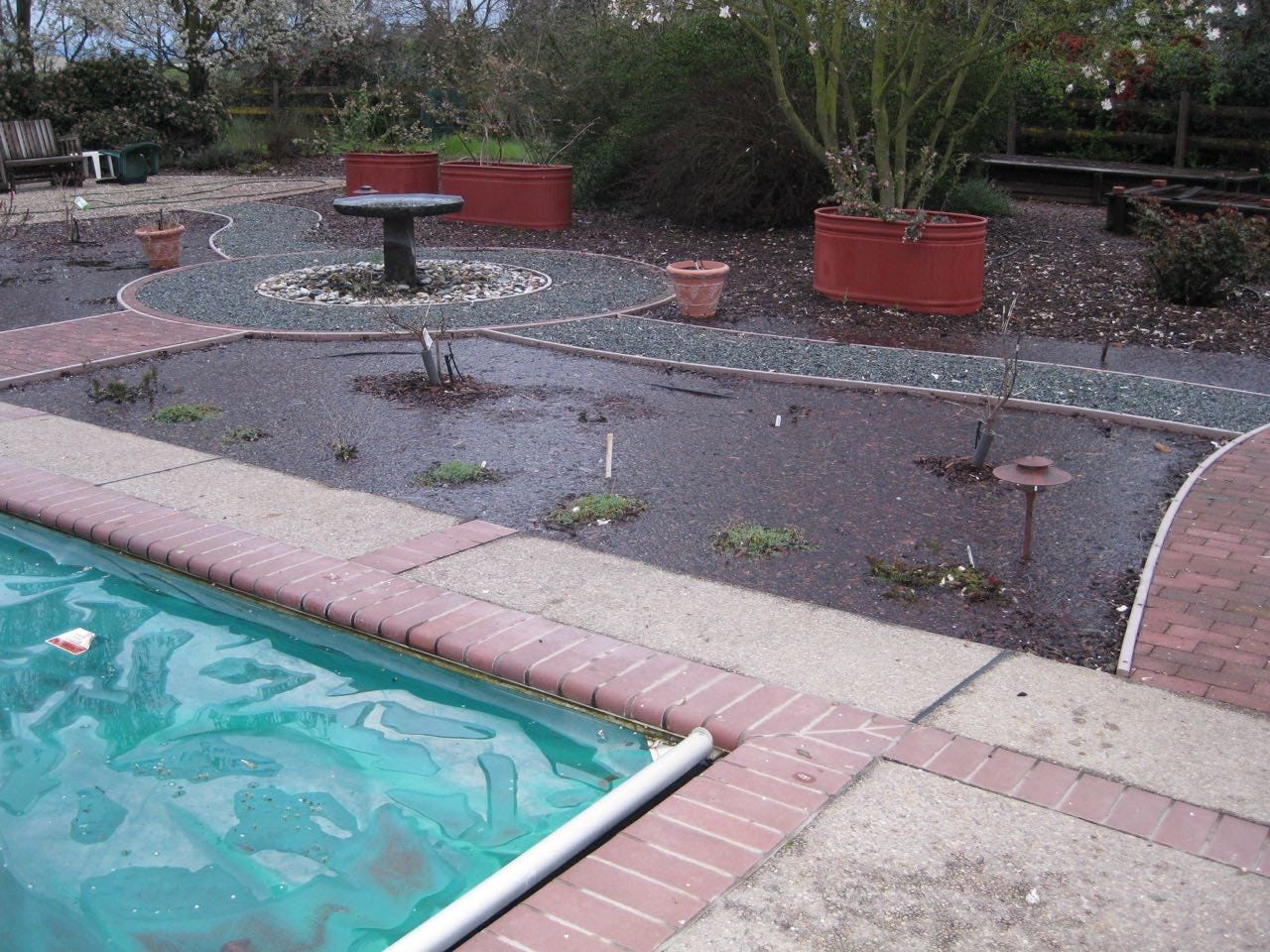
If You Can’t Dig Down, Grow Up! Raised Bed & Container Planting Tips
Description
In today’s “Beyond the Garden Basics” newsletter/podcast, we revisit a chat we had three years ago with Linda Chalker-Scott, Washington State University Horticulture Professor, author of several outstanding garden books, and one of the forces behind the Facebook group page, “The Garden Professors”. Here, Linda discusses why loading up the bottom of planting containers with pot shards, gravel, styrofoam or other soil displacing items is not a good idea. It’s not even a bad idea. It’s a terrible idea! She explains why.
Meanwhile, looking out the window….
Tired of the rain yet, California?
At our place, the monthly rainfall has exceeded the normal amount for the first three months of 2023, and March isn’t even over yet! Your garden soil may also be struggling trying to absorb all that rain, resulting in perennially muddy locations. Most plants don’t like wet feet. For your garden areas, especially those yards with heavy clay soil, there are a couple of options.
When we get two dry days in a row, take a walk through the garden on Day Number Three (before it starts raining again). If the ground is still wet or feels squishy, mark that area with a post or grape stake. That way, you’ll remember when we finally get to the return of dry weather exactly where the ground is probably saturated, unsuitable for most in-ground plants to develop healthy roots.
The permanent answer for dealing with too-wet clay soil is to install an in-ground drainage system, provided you can locate the end drain in an area that won’t impact your neighbors’ yard and garden. If it will impact them, consult with a landscape irrigation or drainage specialist who may be able to advise you on how you could place the end of the drain in a sump (a hole in the ground on your property) and then pump the water out to a gutter, if local codes allow that.
Can’t Dig Down? Build Up.
The other solution? If you can’t dig down, build up. Construct raised beds or use large containers filled with an easy-draining, commercial potting mix.
A word of caution if building a raised bed on an existing lawn area: remove the turf below the raised bed area first. Dig out a few inches of the turf area, down to at least the turf root zone. If you leave the grass in place, that layer of turf could impede the drainage of water from the raised bed. The same is true if using weed cloth beneath a raised bed or a layer of gravel or small rock in a large container. That could also slow the rate of water movement, leading to ongoing soggy soil in the raised bed or containers. If building raised beds, first loosen the existing soil in the area with a spading fork after removing the turf. Then, mix in an inch or two of the soil mix for your raised bed with the existing soil in that area to improve drainage. If gophers are a problem in your area, putting down sheets of quarter-inch mesh hardware cloth below and partially up the inside walls of the raised bed can help protect future plants.
A persistent garden myth is that using a coarse material, especially rocks or gravel in the bottom of a container or raised bed, will improve drainage. Linda Chalker-Scott, Horticulture professor at Washington State University, writes about the topic in her excellent books, “The Informed Gardener” and “The Informed Gardener Blooms Again”.
“This is just one of those myths that refuses to die, regardless of solid scientific evidence to the contrary,” explains Chalker-Scott. “Nearly every book or web site on container gardening recommends placing coarse material at the bottom of containers for drainage. The materials most often recommended for this misguided practice are sand, gravel, pebbles, and po