Episode Details
Back to Episodes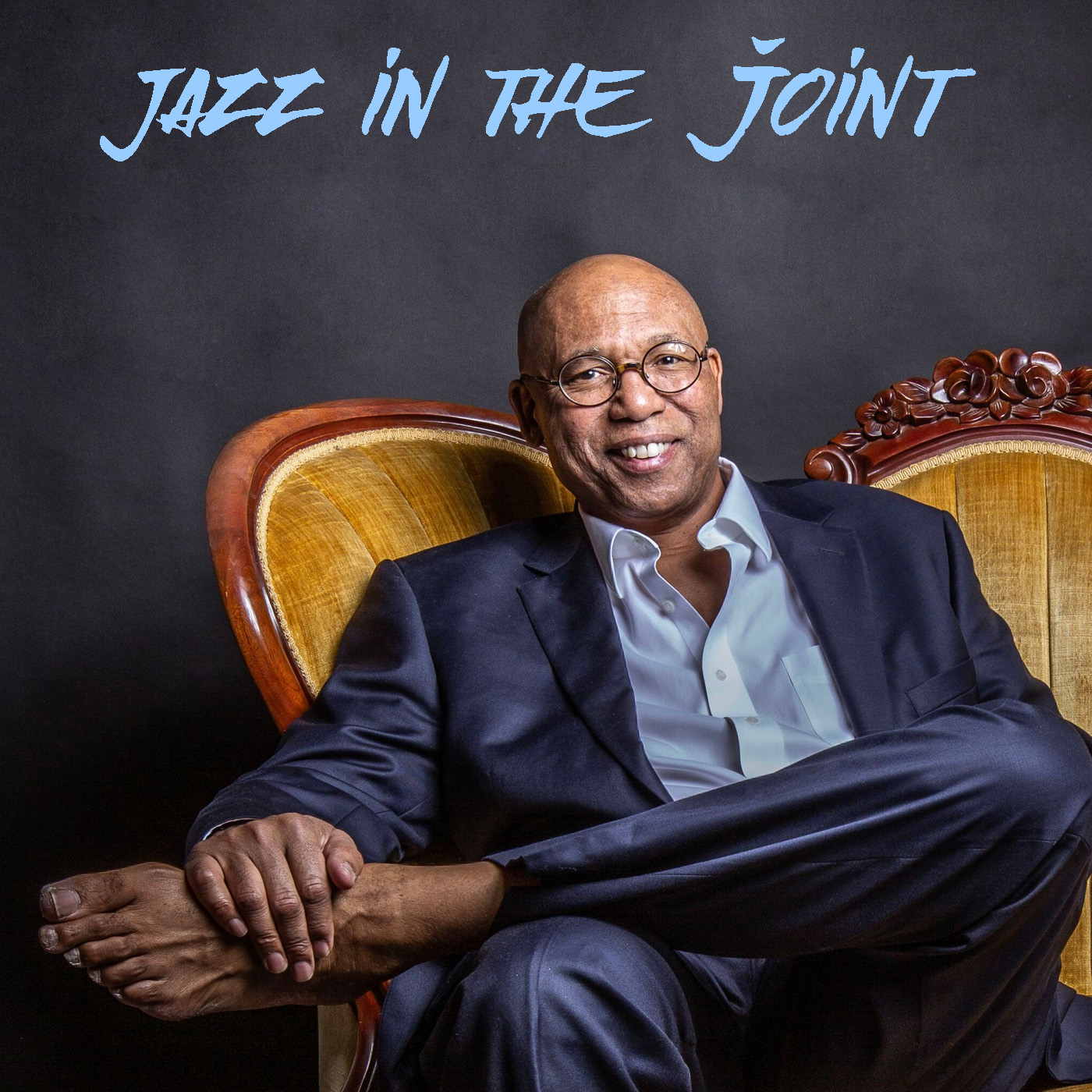
16: From Mingus to Folsom: Henry Robinett on Music, Mentors, & Thriving as an Artist for Change
Season 1
Episode 16
Published 5 years, 1 month ago
Description
Here is the link to the Arts Extension Service: Creative Community Leadership Course Info.
Episode 16: Henry Robinett - Jazz in the Joint
Jazz musician, composer, educator Henry Robinett has the kind of calm, purposeful trajectory that allows him to ignore the detritus, and collect the sublime and the quirk, all in service to making and recording extraordinary award-winning music and helping heal heads and hearts in the largest prison system in the world.
Threshold Questions and Delicious Quotes:
How are jazz legend Charles Mingus, the world famous Manhattan Plaza artist residence, and Henry Robinett connected?
"I had a very famous cousin of mine, a jazz musician by the name of Charles Mingus. Well in 1977, I lived with him in New York. We lived in these condos, it was a condo full of artists called Manhattan Plaza and it was subsidized housing for artists. It was great, cause you had some very famous musicians who lived there, and once a week, twice a week or something, they used to have a big band, like in the basement of the people who live there. And so, I'd go down there and play. He came down to watch and listen. And that was a big deal because he was the greatest of all the musicians who lived there. So even these famous musicians would go off. And so right afterwards, he came up to his place on the 43rd floor. And there I was it, so he said, "What are you doing?" I said, "Rehearsal and stuff", he said, "You're supposed to hang. You're "supposed to hang with all the men." I go, "I'm hanging with the greatest musician right now. Why would I want to hang with those guys when I can to hang with you?""
How does a jazz guitar virtuoso and composer end up working at Folsom Prison?
"So, Bill Peterson, who was the artist facilitator at old Folsom, called me. I hadn't been thinking about teaching prisoners at all. and my first thought was nervous. " Oh man, these guys are pretty tough hombre’s, this is interesting." And I went there, and it was an experience. And when you, you experienced an experience like that, where all of your, worst expectations don't take place in what you're really coming in contact with are human beings who aren't any different than I am, except there's a dark past that you are aware of must've happened with these guys or they wouldn't be here. But, you don't think about any of that stuff because I'm just in contact with a human being who is in need of something I have and so, I loved it."
What role can artmaking play in the positive transformation of people who are Often characterized as "hardened criminals?"
One guy said to me, “Look, Henry, I'm never getting out of here. I'm just never getting out, and I had to really change. So, the person I am now is not the person who was out there. I don’t do anything that I used to do. I don't smoke, I don't cuss, I don't do drugs, I don't drink, none of it, and I didn't change my life because I wanted to impress the parole board. I changed my life because I needed to change my life.”
How can an open to all music program work in a place as racially segregated as a prison?
"You have a lot of people who, are very gang related, and the music department is one of the areas where that breaks down. Because, on the yard you have yard rules where the Aryan Brotherhood, they don't mix with the Mexican gangs and the black gangs, and you have to fall in line. You have to do what they say. But behind the walls of the music room, you don't see the yard. So, you have white guys playing with black guys a