Episode Details
Back to EpisodesMore Walpurgisnacht
Description
Become a Patron!
In our second episode on the grim folklore of Walpurgisnacht — that is May Eve or April 30, St. Walburga’s day — we meet Walburga, the saint whose name was attached to what was likely a pre-existing pagan holiday.
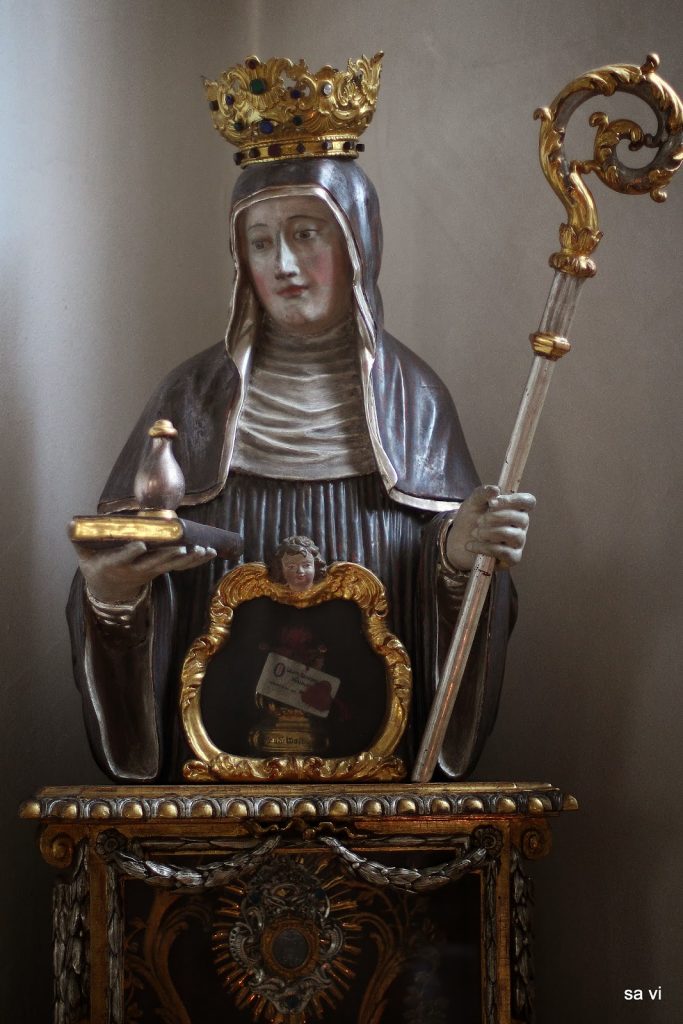
While the saint’s bones for centuries have been said to be the source of a miraculously curative oil, namesake children dedicated to her have a significantly less holy reputation, with Walburga Oesterreich being a particularly notorious example known for her involvement in a bizarre murder we’ll briefly discuss.
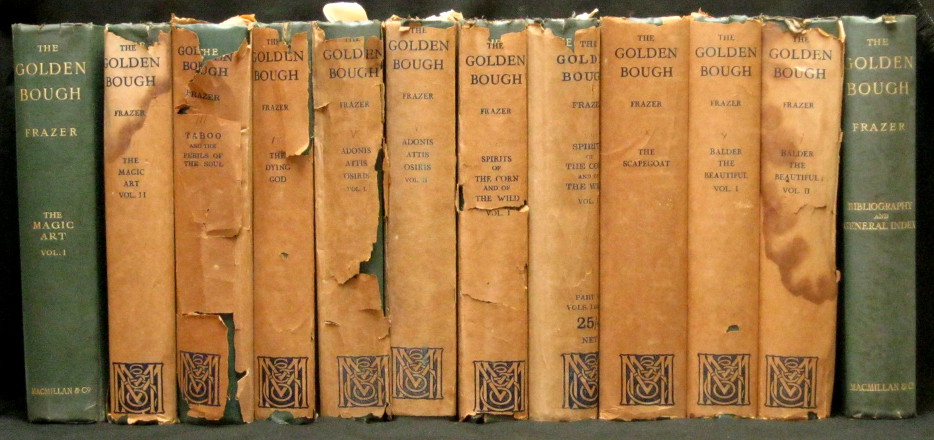
More practices associated with Walpurgisnacht are provided by the highly influential, if a bit outdated, armchair anthropologist Sir James Frazer, of Golden Bough. The association between this day dedicated to the obscure German saint and witchcraft becomes clear as we examine the many prophylactics against evil spirits afoot on the occasion. Listen close so you know what to do with the black and red spotted hemlock! Keep that bonfire stoked…
“So far as the light of the bonfire reaches, so far will a blessing rest on the fields.”
Then we jump into real nexus of that association between witchcraft and Walpurgisnacht, that is, the play Faust by Johann Wolfgang von Goethe, which not only established the night as a notorious witches’ sabbath, but also did much to localize to Germany’s Blocksberg (or Brocken) mountain. A Cliff Notes encapsulation of the witches sabbath scene is rather flippantly re-enacted for your audio enjoyment, wherein you will hear this oft qu