Episode Details
Back to Episodes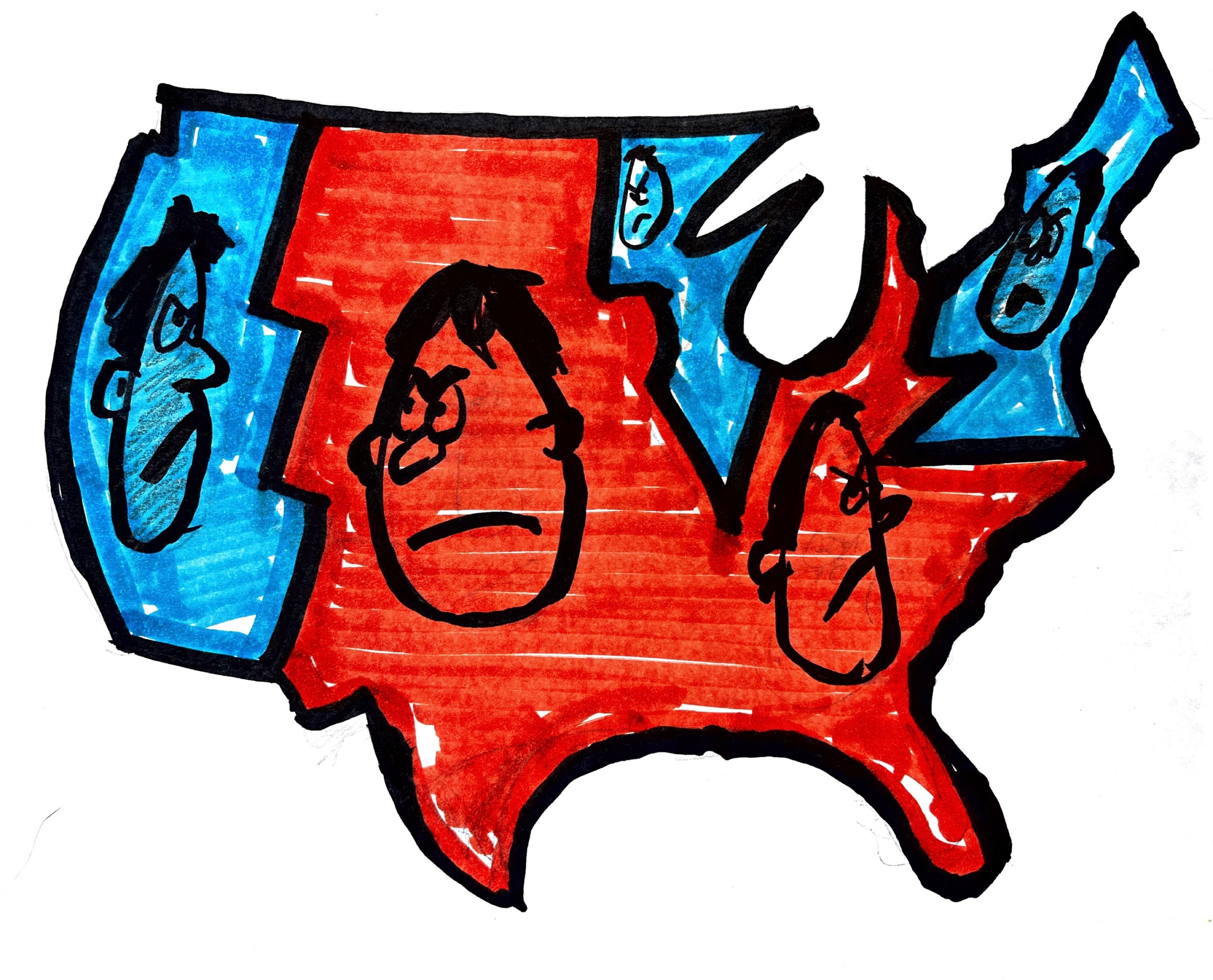
How do we get democracy back into presidential elections?
Description
Friends,
I don’t know about you, but I look at the next 20 months leading up to the 2024 presidential election with some dread. That’s not because I’m especially worried Donald Trump or Ron DeSantis or someone equally horrific will be elected. I’m dreading the next 20 months because the entire process of selecting our president has become so fraught, divisive, and arbitrary that it threatens the foundation of our democracy.
So today I want to share with you a little political hope — not my mother’s “all things will work out fine in the end” fantasy, but something doable and practical that could even have a positive effect on next year’s presidential election.
A bit of background: About 80 percent of us have effectively become bystanders in presidential elections. That’s because most of us live in states so predictably Democratic or Republican that we’re taken for granted by candidates. Presidential elections now turn on the dwindling number of “swing” states that could go either way, which gives voters in these states huge leverage.
In 2020, Biden owed his Electoral College victory to just 42,918 votes spread over Georgia, Arizona, and Wisconsin. In 2016, Trump owed his Electoral College victory to 77,744 votes spread across Wisconsin, Pennsylvania, and Michigan.
Contrast these slim margins with the results of the national popular vote. In the last five elections, candidates who received the most popular votes nationwide led their opponents by an average of 4.9 million votes — more than 100 times that of the razor-thin battleground wins.
The current state-by-state, winner-take-all Electoral College system of electing presidents is creating ever-closer contests in an ever-smaller number of closely divided states for elections that aren’t really that close.
These razor-thin battleground margins also invite post-election recounts, audits, and lawsuits — even attempted coups. A losing candidate might be able to overturn 42,918 votes with these techniques. On the other hand, overturning 4.9 million votes would be a nearly impossible task.
As such, the Electoral College system combined with the dwindling number of battlegrounds presents a growing threat to the peaceful transition of power.
And it’s become more and more likely that candidates are elected president without winning the most votes nationwide. It’s already happened twice this century.
The Electoral College is an anachronism that should be abolished. But that would require a constitutional amendment, which is almost impossible to pull off — requiring a two-thirds vote by the House and Senate plus approval by three-fourths of state legislatures.
There’s an alternative. We can make the Electoral College irrelevant by getting our states to join the National Popular Vote Interstate Compact. Don’t let that mouthful put you off. It could save our democracy. The Compact will guarantee the presidency to the candidate who receives the most popular votes nationwide without a constitutional amendment.
How does it work?
As you know, the Constitution assigns each state a number of electors based on its popul