Episode Details
Back to Episodes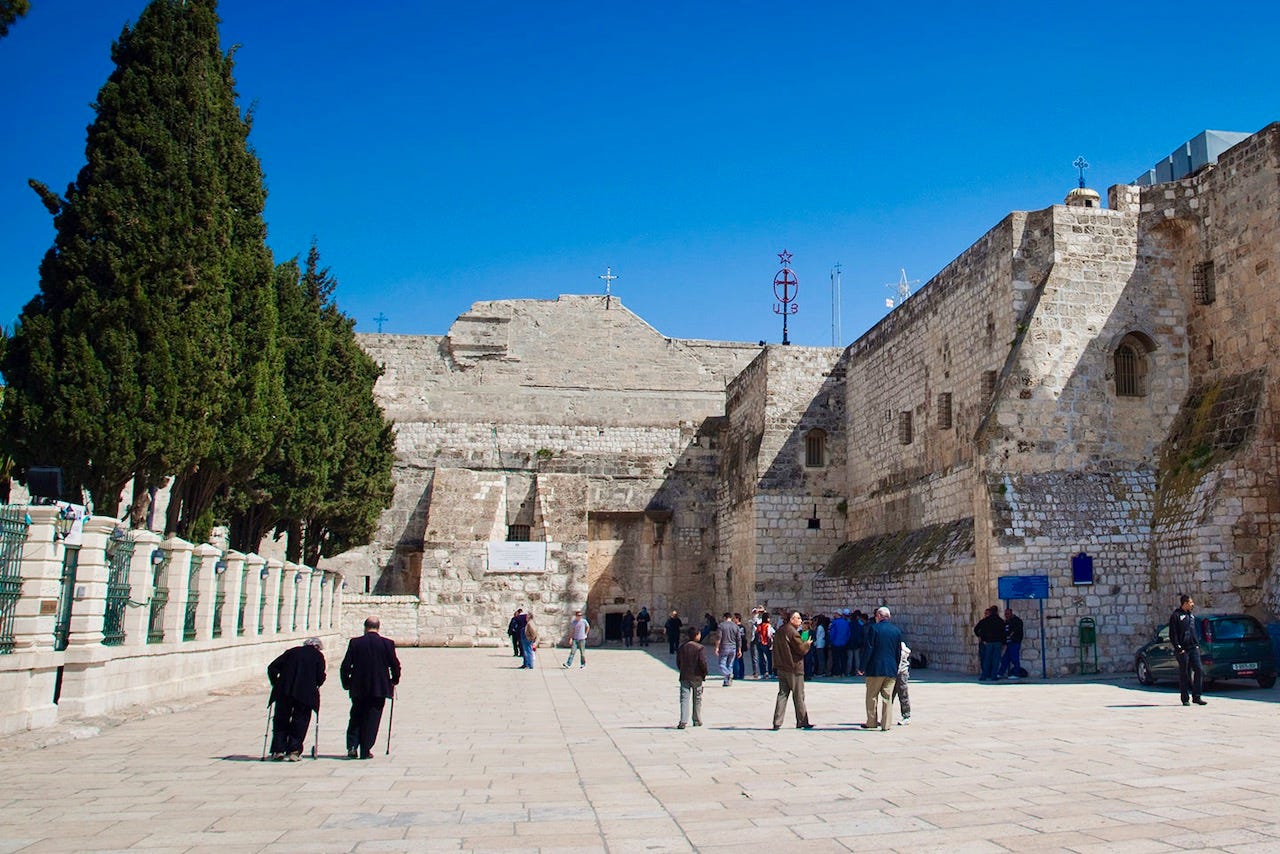
Slouching towards Bethlehem
Description
A final festive Payneful reflection at the end of a disconcerting year. (See below for what to expect over the Christmas holidays.)
Just when we thought we were mooching towards a passably standard Christmas, we find ourselves once more (in my part of the world) in a state of covid anxiety. Will we be allowed to gather for Christmas services? Will Christmas lunch go ahead? Will we ever see our relatives again?
There is some cause for hope. For example, will we ever see our relatives again?
But the general mood of weariness and dislocation sends Christmas preachers and commentators off to rummage through their kitbag of cliches. Everything is ‘unprecedented’; plans have been ‘thrown into disarray’; ‘things fall apart; the centre cannot hold’.
That final over-used phrase has been wheeled out more than once during this crazy, disconcerting 2020. It comes from one of the most rummaged-through poems of the 20th century, The Second Coming by William Butler Yeats.
Written in the aftermath of the First World War and the Bolshevik revolution, it speaks of a disintegrating world, where innocence has been drowned in blood and anarchy, and where any pretence that Western culture has an authoritative voice to guide it is now abandoned.
Here is the famous first stanza.
Turning and turning in the widening gyre
The falcon cannot hear the falconer;
Things fall apart; the centre cannot hold;
Mere anarchy is loosed upon the world,
The blood-dimmed tide is loosed, and everywhere
The ceremony of innocence is drowned;
The best lack all conviction, while the worst
Are full of passionate intensity.
Like a wheeling falcon now out of reach of its falconer’s voice, the world seems to have lost connection with its authoritative centre, and everything is falling apart. The best know that there is nothing any more to be sure of; the worst gleam with a fierce-eyed intensity to impose their will on the chaos.
Rarely has a year felt more like this than 2020.
The less well-known second stanza looks with dread on what might be coming to fill the void—a Second Coming, not of Christ, but of a nameless beast, stepping out of the apocalyptic visions of the Old Testament:
Surely some revelation is at hand;
Surely the Second Coming is at hand.
The Second Coming! Hardly are those words out
When a vast image out of Spiritus Mundi
Troubles my sight: somewhere in sands of the desert
A shape with lion body and the head of a man,
A gaze blank and pitiless as the sun,
Is moving its slow thighs, while all about it
Reel shadows of the indignant desert birds.
The darkness drops again; but now I know
That twenty centuries of stony sleep
Were vexed to nightmare by a rocking cradle,
And what rough beast, its hour come round at last,
Slouches towards Bethlehem to be born?
What dread future did Yeats see coming? Was it the rise of National Socialism, or of Communism, or of the juggernaut of modern hi-tech capitalism? We tend to read our own worst nightmares into the figure of that pitiless beast, making its inexorable, slouching way towards the centre of our culture—the place that Bethlehem once had.
Like all really great poems, The Second Coming names something that is true in our experience in words that somehow say more than they say.
It captures the emptiness at the centre of modern life and politics and culture. We no longer hear an authoritative voice. The best of us wearily resign ourselves to making what we can of a world without a central guiding truth. The worst of us rush to occupy the void for our own exploitative ends.